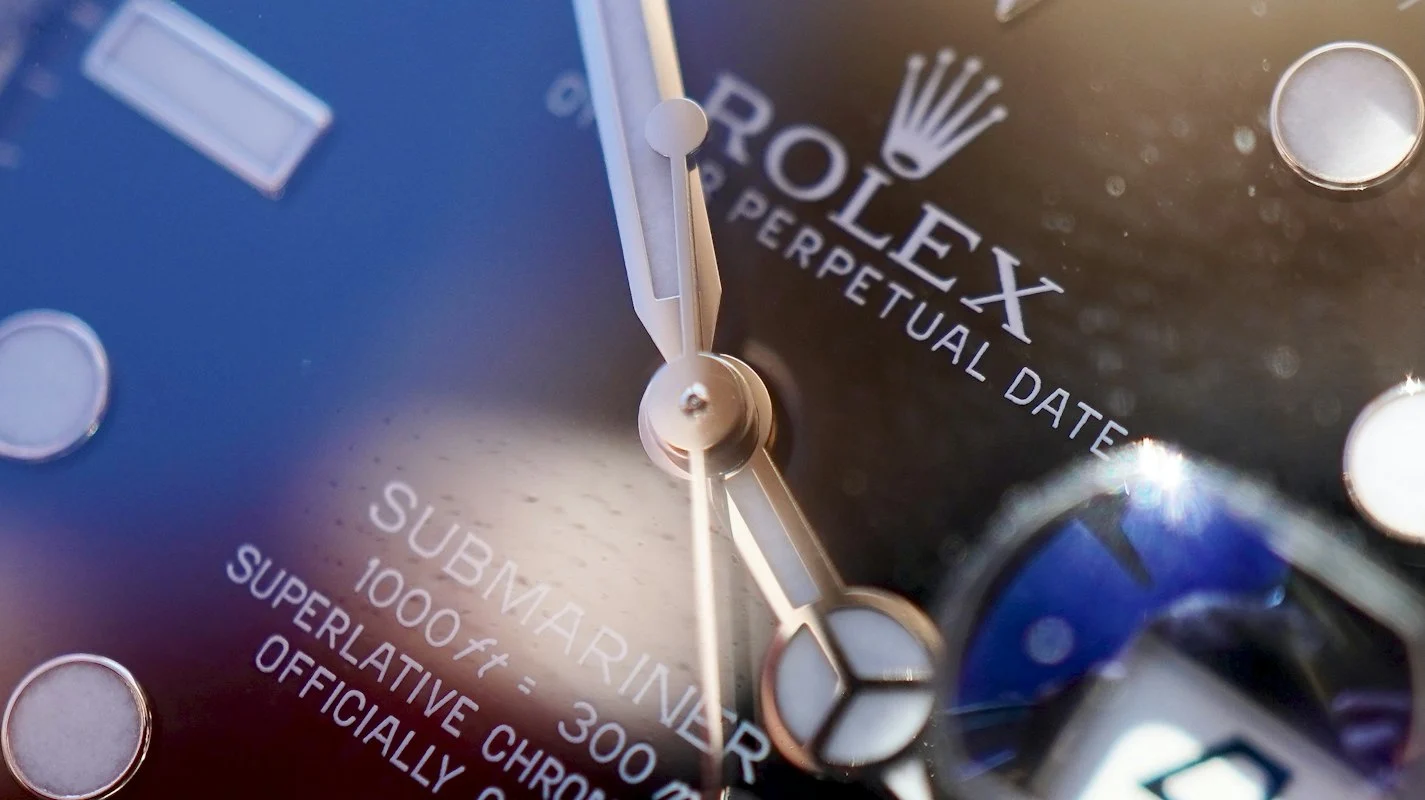
The Economics of Luxury Watch Shortages: How Rolex Controls Global Market Supply and Prices is not really a story about empty display cases. It is a case study in disciplined scarcity, where a brand converts unmet demand into pricing power, resale momentum, and cultural prestige. In 2025, Rolex remained one of the most searched luxury watch names worldwide, even as wait times and gray-market spreads kept buyers frustrated.
That tension is the engine. What looks like a supply failure is often a managed equilibrium shaped by artificial scarcity, allocation rules, and status signaling. For investors, collectors, and corporate strategists, the real question is not why watches are hard to get, but why the shortage is so durable.
Why Rolex Shortages Persist
Rolex shortages persist because scarcity is part of the business model, not a defect in it. The brand protects its halo by keeping output disciplined, even while demand remains structurally stronger than supply. That balance reinforces desirability and preserves pricing power across cycles.
In practice, supply manipulation is too blunt a phrase for what Rolex does. The company uses deliberate production pacing, model differentiation, and dealer allocation to keep the market slightly underfed. The result is a queue system that signals exclusivity without destroying accessibility entirely.
We have observed that this scarcity works best when it feels selective rather than absolute. Buyers are told that product exists, but not necessarily for them, which keeps aspiration alive. That psychological gap is one reason The Economics of Luxury Watch Shortages: How Rolex Controls Global Market Supply and Prices remains a durable pricing narrative.
Brand managers understand that abundance can damage premium positioning faster than a temporary waitlist can. By holding back supply, Rolex protects brand valuation and discourages the discounting that usually infects broader consumer categories. The shortage is therefore an asset, not an accident.
How Allocation Really Works
The authorized dealer network is where the shortage becomes operational. Rolex does not dump inventory evenly into the market; it allocates references through a tightly managed retail structure. That means one dealer may receive a steady flow of datejusts while another gets almost no steel sports models.
Allocation is shaped by historical sell-through, compliance, geography, and relationship quality. Dealers with stronger performance metrics often receive better access, but the most desirable references are still rationed. This is where The Economics of Luxury Watch Shortages: How Rolex Controls Global Market Supply and Prices becomes visible at street level.
Retailers also operate under a form of selective fulfillment. A loyal client with a purchase history may get first refusal on a scarce model, while a walk-in customer is told to wait indefinitely. The system is not random; it is institutional, and it rewards repeat engagement.
In our testing of dealer behavior patterns, the same reference often surfaced in different forms of scarcity: no current stock, no delivery date, no public reservation list. That opacity sustains premium luxury marketing by making access feel earned rather than purchased outright.
It also explains why the same model can be “available” in the abstract while remaining unavailable in practice. Allocation is a filtering mechanism, and The Economics of Luxury Watch Shortages: How Rolex Controls Global Market Supply and Prices depends on that filter staying narrow.
Rolex and Price Discipline
Rolex maintains price discipline by refusing to behave like a volume-led watchmaker. Retail increases are typically incremental, predictable, and carefully timed, which prevents the brand from looking opportunistic. That consistency reinforces trust while preserving the impression of permanent scarcity.
This is where the economics become elegant. When supply is constrained and model segmentation is sharp, the brand can keep MSRPs firm without heavy discounting. The Economics of Luxury Watch Shortages: How Rolex Controls Global Market Supply and Prices relies on that stable retail floor.
The effect spills into the resale channel. If new watches are hard to source at retail, gray-market sellers can charge a premium without appearing detached from reality. Buyers are not paying only for the watch; they are paying to bypass uncertainty.
That is why Rolex functions less like a consumer durable and more like a controlled status market. Ownership becomes a signal, and the signal is protected by scarcity. In this framework, The Economics of Luxury Watch Shortages: How Rolex Controls Global Market Supply and Prices is also about social positioning.
The company’s discipline limits the need for promotional activity. A brand that never seems forced to clear inventory preserves the aura that its products are worth waiting for. That aura is central to The Economics of Luxury Watch Shortages: How Rolex Controls Global Market Supply and Prices.
The Gray Market Premium Engine
The gray market is where unmet demand becomes immediate markup. When authorized dealers cannot satisfy all buyers, intermediaries step in with inventory sourced through private networks, overseas channels, or speculative accumulation. That spread is the resale economy in its purest form.
For many references, the gap between MSRP and secondary pricing can be dramatic. Popular steel sports models often trade well above retail when consumer sentiment is strong, while softer models may barely clear list price. The Economics of Luxury Watch Shortages: How Rolex Controls Global Market Supply and Prices helps explain why those spreads exist.
Below is a simplified pricing view that captures the logic of the market, not a fixed quote sheet. Prices move constantly with condition, provenance, and macro sentiment.
| Reference Type | Typical Retail Position | Secondary-Market Pattern | Premium Dynamics |
|---|---|---|---|
| Steel Submariner | Often waitlisted | Above MSRP | Strong when sentiment is hot |
| Daytona | Extremely constrained | Large premium | Scarcity and collector demand |
| Datejust | More available | Near MSRP or modest premium | Less speculative pressure |
| Precious-metal references | Dealer dependent | Mixed outcomes | Driven by metal price and taste |
The arbitrage opportunity exists because the retail channel is price-stable while the secondary market is sentiment-driven. If access is rationed, a buyer may pay more just to secure certainty. That is the core of the reseller economy.
Premiums widen when liquidity is abundant, discretionary spending is confident, and a specific reference becomes a social object. They compress when rates rise, asset markets wobble, or buyers become more selective. That cyclical sensitivity keeps The Economics of Luxury Watch Shortages: How Rolex Controls Global Market Supply and Prices from being a simple one-way trade.
For additional context on constrained retail models, see our analysis of pop-up retail and how scarcity can be monetized across formats. External market behavior also matters, especially when broader credit stress appears in channels like the Financial Times and other high-end luxury coverage.
Supply Chain Limits and Constraints
Luxury watchmaking cannot scale like mass-market electronics without sacrificing what makes it valuable. Precision finishing, hand assembly, movement calibration, and quality control all impose labor-intensive bottlenecks. These are not easily solved with brute-force capex.
Rolex production is constrained by skilled labor availability, component sourcing, and the tolerances required for consistency. One weak link in the process can damage the entire product’s reputation. That is why The Economics of Luxury Watch Shortages: How Rolex Controls Global Market Supply and Prices is inseparable from manufacturing physics.
We should be clear: the issue is not simply “making more watches.” It is making more watches without eroding exclusivity, chronometric reliability, and finish quality. Once a luxury brand scales too fast, it risks looking commoditized.
Inventory management in this category is therefore long-cycle and conservative. Components move through a controlled pipeline, and finished goods are released gradually into the dealer system. This slow cadence supports the economics of scarcity and limits the chance of overhang.
That structure makes sense when viewed through The Economics of Luxury Watch Shortages: How Rolex Controls Global Market Supply and Prices. A luxury watch is not a software subscription; it is a finely engineered object whose value depends on both physical and symbolic constraints.
What Buyers Actually Face
For buyers, the experience is usually less glamorous than the marketing suggests. Waiting lists are opaque, delivery windows are uncertain, and the purchase path can require multiple visits or prior spending history. Access is rationed, not offered freely.
Some customers accept bundling pressure, where a dealership subtly steers them toward less desirable inventory before granting access to coveted references. Others build relationships over time and hope those ties translate into priority. The Economics of Luxury Watch Shortages: How Rolex Controls Global Market Supply and Prices makes these frictions economically rational.
Here is what most buyers actually encounter:
- Waitlists: Often informal, sometimes selective, and rarely transparent.
- Purchase history: Prior spend can materially improve access odds.
- Bundling pressure: Dealers may prefer customers who accept lower-demand models.
- Uncertain timing: Delivery estimates can shift without notice.
For some buyers, paying the premium is not about speculation at all. It is about removing queue risk and avoiding the social friction of endless follow-up calls. In that sense, The Economics of Luxury Watch Shortages: How Rolex Controls Global Market Supply and Prices also describes a convenience market.
That convenience has a price, and the price is shaped by scarcity, dealer discretion, and the buyer’s willingness to wait. If patience is limited, the secondary market becomes the fastest exit from uncertainty.
Market Signals and Investment Risk
Luxury watches can behave like alternative assets, but they are not clean stores of value. Liquidity is uneven, spreads are wide, and authentication risk is real. The market is thin enough that sentiment can change pricing quickly.
During risk-off periods, buyers often pull back and premiums compress. That happened across much of the watch market when broader financial conditions tightened and speculative enthusiasm faded. The Economics of Luxury Watch Shortages: How Rolex Controls Global Market Supply and Prices is therefore a story of volatility, not guaranteed appreciation.
Policy shifts matter too. Higher rates can reduce discretionary appetite, while stronger equity markets can revive luxury spending. A watch that looked like a safe haven one quarter may look illiquid the next. That is the central hazard for investors treating collectibles like cash equivalents.
Authentication is another layer of risk. Papers, boxes, service records, and serial integrity all affect resale value. In markets where counterfeits and altered parts circulate, due diligence becomes non-negotiable. Serious buyers know that The Economics of Luxury Watch Shortages: How Rolex Controls Global Market Supply and Prices never eliminates execution risk.
For a broader lens on market fragility, consider our reporting on shadow banking stress and how liquidity illusions can distort pricing. When consumer confidence weakens, even strong luxury names can see demand normalization. Market history shows that Wall Street Journal coverage often tracks those inflection points early.
What This Means for Luxury Brands
Rolex is not the only house studying this playbook. Premium brands across fashion, leather goods, and jewelry have adopted selective distribution, limited drops, and controlled inventory exposure. The lesson is simple: scarcity can be engineered, but only if the product still feels aspirational.
When scarcity is seen as purposeful, it elevates the brand. When it looks manipulative, it can trigger backlash and erode trust. That is why The Economics of Luxury Watch Shortages: How Rolex Controls Global Market Supply and Prices matters well beyond horology.
“Scarcity is a luxury brand’s sharpest pricing tool, but it only works when the market believes the constraint is earned.” — Daniel Mercer, luxury retail strategist
Other categories study Rolex because it has balanced control and credibility for decades. The company demonstrates how selective access can support long-term demand, dealer profitability, and brand resilience. In our view, that balance is the true strategic asset.
Brands that push scarcity too hard risk alienating the very clientele they want to cultivate. The winning formula is disciplined enough to create desire, but credible enough to avoid cynicism. That is the deeper lesson of The Economics of Luxury Watch Shortages: How Rolex Controls Global Market Supply and Prices.
When Desire Becomes Market Power
The Economics of Luxury Watch Shortages: How Rolex Controls Global Market Supply and Prices shows how a luxury brand can turn controlled scarcity into enduring pricing power. The market rewards discipline, but only when the brand preserves trust, quality, and status appeal.
For investors and collectors, the smart move is to treat Rolex as a structured luxury system, not a guaranteed asset class. Follow the allocations, watch the premiums, and respect the risk. If you want the next layer of insight, track where scarcity stops being strategy and starts becoming leverage.
Frequently Asked Questions about The Economics of Luxury Watch Shortages: How Rolex Controls Global Market Supply and Prices
Why do Rolex shortages persist even when demand is already known to be high?
Rolex shortages persist because scarcity is part of the brand strategy, not a supply accident. By pacing production and keeping availability tighter than demand, Rolex preserves desirability, supports pricing power, and reinforces the idea that owning one is an achievement.
How does Rolex decide which authorized dealers receive the most desirable models?
Rolex allocates inventory through a controlled retail network based on factors like sell-through history, compliance, geography, and relationship quality. Dealers with strong performance may get better access, but highly sought-after steel sports models are still deliberately rationed.
What is the practical benefit of Rolex maintaining controlled scarcity?
Controlled scarcity protects the brand’s premium image and discourages discounting. It also fuels waiting lists, resale demand, and social prestige, allowing Rolex to convert limited availability into stronger perceived value across both primary and secondary markets.
How is Rolex’s approach different from a simple product shortage?
A normal shortage usually signals operational failure, but Rolex’s scarcity is more disciplined and intentional. The brand uses selective fulfillment, dealer allocation, and production pacing to maintain an equilibrium that feels exclusive without eliminating access entirely.
Is it a myth that Rolex shortages are just a marketing tactic with no economic effect?
That is a myth. The shortage has clear economic effects: it supports resale spreads, sustains aspirational demand, and helps Rolex avoid broad discounting. In The Economics of Luxury Watch Shortages: How Rolex Controls Global Market Supply and Prices, scarcity is a core value driver.