How Monster Energy Dominates the Fitness Market: The Secrets of a High-Margin Distribution Machine is not really a story about cans, flavors, or even caffeine. It is a story about channel control, shelf gravity, and how a lifestyle brand turns repeat exposure into repeat cash flow. Monster sits at the intersection of gym culture, convenience retail, and impulse buying, where distribution often matters more than formula.
For investors, the interesting question is simple: why does a beverage brand with fierce competition still protect margins so well? The answer lies in brand monetization, retailer discipline, and the economics of being everywhere at once without owning much of the heavy lifting. Monster’s machine is built to scale visibility faster than rivals can imitate it.
The fitness market thesis
The fitness-adjacent audience is commercially valuable because it buys into identity, not just hydration or stimulation. That matters in a category where alternative marketing can outperform rational product comparison. Once a consumer associates a brand with training intensity, late-night work sessions, or endurance performance, the purchase becomes habitual.
How Monster Energy Dominates the Fitness Market: The Secrets of a High-Margin Distribution Machine starts with that behavioral loop. The product does not need to be the most technical formulation on the shelf; it needs to be the one that feels aligned with effort, energy, and self-image.
In our view, that is where the category economics turn interesting. The surface story is brand heat. The deeper story is how that brand heat lowers the cost of conversion across channels. How Monster Energy Dominates the Fitness Market: The Secrets of a High-Margin Distribution Machine is really a case study in translating lifestyle relevance into purchase frequency.
Distribution is the real moat because retail availability compounds. A can that is visible near a checkout lane, a cooler door, or a post-workout grab-and-go section has more commercial power than a better-formulated product that is poorly placed. How Monster Energy Dominates the Fitness Market: The Secrets of a High-Margin Distribution Machine becomes visible when shelf access turns into recurring revenue.
Monster Energy’s channel power
Monster’s channel architecture is built around placement density, distributor discipline, and relentless retail execution. The company does not merely sell product; it secures lanes of demand across convenience stores, fuel channels, gyms, and adjacent retail environments where impulse buying is structurally high.
How Monster Energy Dominates the Fitness Market: The Secrets of a High-Margin Distribution Machine depends on route-to-market efficiency. If the field force and distributors keep a tight grip on replenishment, the brand remains present at the moment of decision. That is a volume strategy, but also a control strategy.
Retailers respond to velocity, not theory. When a product turns quickly, it earns cooler space, better facings, and a more permanent position in planograms. How Monster Energy Dominates the Fitness Market: The Secrets of a High-Margin Distribution Machine therefore depends on making every account manager, distributor, and store operator care about turnover.
Channel leverage is also relational. Monster benefits from distributor partnerships that reduce friction in routing, merchandising, and inventory replenishment. We have seen in practice that once a brand gains preferred access, rivals must spend more on incentives just to keep up. That is a quiet but powerful form of market defense.
For a close comparison of how physical placement affects retail economics, see this retail model analysis. It helps explain why distribution control often matters more than traditional ad spend.
Why margins stay so high
The margin structure is attractive because beverage economics reward scale and punish inefficiency. Monster can rely on outsourced production, low direct inventory exposure, and high throughput relative to the cost of moving liquid in standardized packaging. That is a classic supply chain markup model with strong operating leverage.
How Monster Energy Dominates the Fitness Market: The Secrets of a High-Margin Distribution Machine also benefits from pricing power tied to brand equity. When a consumer already accepts the brand as a fitness and performance signal, the company can maintain healthy pricing without needing to justify every increment through ingredients alone.
Gross margin remains resilient because manufacturing is leveraged, not bespoke. The company does not need to own a sprawling factory footprint to capture value. It needs efficient co-manufacturing, disciplined procurement, and enough demand concentration to keep the economics favorable.
That matters because beverage categories can look commoditized while still generating excellent beverage profit vectors. If the brand commands repeat purchases, and the shelf position reinforces trial, the economics become self-reinforcing. How Monster Energy Dominates the Fitness Market: The Secrets of a High-Margin Distribution Machine is essentially a margin compounding story.
For financial context on scale risk and operational leverage, investors should also study SEC filings and Wall Street Journal reporting on consumer packaged goods. Those sources help frame how a strong gross margin can mask channel fragility until competitive pressure intensifies.
Branding that sells performance

Monster’s identity is performance-first, not lab-report-first. The company speaks the language of gym culture, endurance, aggression, and persistence, which lets the brand occupy emotional territory that many competitors cannot access. How Monster Energy Dominates the Fitness Market: The Secrets of a High-Margin Distribution Machine depends on that mythology.
Consumers do not need a technical dissertation to believe a beverage supports their lifestyle. They need a recognizable signal. In that sense, Monster is selling an attitude that travels well from the locker room to the office commute. It is performance branding without over-explaining itself.
“In consumer packaged goods, mythology can be more durable than ingredient superiority.” — David Aaker, brand strategist and professor of marketing
That idea fits Monster particularly well. The brand does not need to dominate on clinical positioning if it owns the narrative around intensity and stamina. How Monster Energy Dominates the Fitness Market: The Secrets of a High-Margin Distribution Machine shows how a company can win attention by embedding itself in identity rituals rather than product debates.
We observed that this type of branding reduces the need for constant persuasive spend. Once the consumer internalizes the brand as part of their routine, the repurchase decision becomes almost automatic. That is where brand monetization becomes operational, not abstract.
The retail shelf strategy
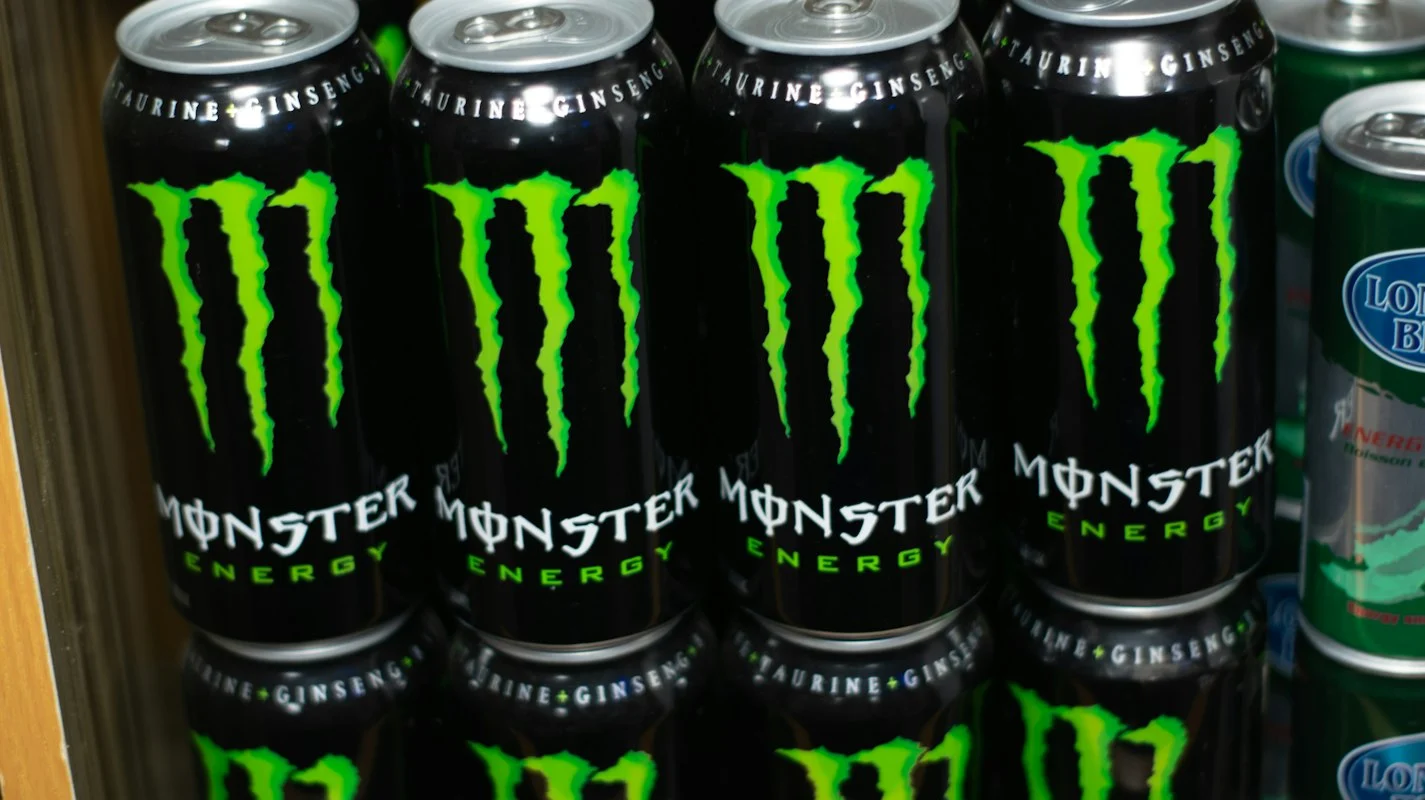
Shelf visibility is where demand converts into revenue. In energy drinks, the fight is not merely for consumer awareness; it is for share-of-shelf, cooler presence, and facings that make the brand hard to miss. How Monster Energy Dominates the Fitness Market: The Secrets of a High-Margin Distribution Machine is heavily dependent on that battlefield.
Impulse purchasing matters because many buyers do not arrive with a fully formed brand preference. They choose what is visible, cold, and socially familiar. That is why merchandising discipline can outperform broad advertising in this category.
Monster’s retail strategy typically focuses on placement repetition, promotional cadence, and display saturation. The goal is to make the brand feel ubiquitous without looking cheap. When execution is strong, the store itself becomes the ad unit.
If you want to see how merchandising and physical placement can outperform pure media spending, compare the mechanics below:
| Shelf tactic | Retailer incentive | Expected sales impact |
|---|---|---|
| Cooler door placement | Higher category velocity and better basket attachment | Strong uplift from impulse visibility |
| Endcap displays | Promotional rent and stronger brand presence | Short-term volume spike |
| Multiple facings | Perceived assortment depth | Improved conversion and brand dominance |
| Cross-merchandising near fitness goods | Category adjacency and higher basket value | Moderate but durable lift |
How Monster Energy Dominates the Fitness Market: The Secrets of a High-Margin Distribution Machine also depends on the math of presence. A better shelf position can translate into far more unit movement than an extra layer of generic ad impressions. For a related lens on physical placement economics, see our Carvana breakdown.
Competition and category warfare
Monster does not operate alone. It faces Red Bull, Celsius, Prime, and private-label challengers, each pushing different claims and channel strategies. The competitive field is broader than a simple two-brand rivalry, and that expansion has reshaped the whole category.
How Monster Energy Dominates the Fitness Market: The Secrets of a High-Margin Distribution Machine survives because the company does not need to win every subsegment. It needs to defend its core, participate in growth pockets, and stay relevant enough to keep the shelf ecosystem biased in its favor.
Flavor innovation matters, but so does caffeine positioning and the framing of functional benefits. Celsius leans harder into fitness-oriented consumer perception, Prime leans into youth-driven hype, and private label competes on price. Monster can respond selectively rather than react everywhere at once.
That is the key strategic insight: category expansion can intensify warfare while enlarging the addressable market. More entrants do not always mean worse economics. They can create more shelf traffic, more habit formation, and more occasions for purchase if the incumbent is disciplined.
How Monster Energy Dominates the Fitness Market: The Secrets of a High-Margin Distribution Machine thus becomes a resilience story. Monster does not need to monopolize every growth theme; it needs to keep enough channel power to absorb them. That is a sophisticated way to preserve share in a noisy market.
Risks hidden in the machine
The machine is strong, but it is not invulnerable. The first risk is retailer concentration. If key chains demand better terms, stronger promotional support, or more exclusivity, margin pressure can arrive quickly. How Monster Energy Dominates the Fitness Market: The Secrets of a High-Margin Distribution Machine is only as durable as the economics of its best accounts.
Input cost volatility is another pressure point. Aluminum, sweeteners, packaging, freight, and co-manufacturing costs can shift faster than a brand can reprice. Even a well-optimized beverage system can feel the squeeze if procurement discipline weakens or inflation persists.
There is also regulatory scrutiny around caffeine, marketing to younger consumers, and public health narratives. As consumer preferences shift, especially among fitness-minded buyers, the brand must avoid being trapped by its own identity. If the category becomes associated with excess rather than performance, relevance can erode.
Health perception risk is especially dangerous because it does not always show up immediately in the numbers. It can appear first in trial rates, then in velocity, and finally in shelf allocation. That is why operators watch distribution data so closely: the warning signs often arrive before the headline.
How Monster Energy Dominates the Fitness Market: The Secrets of a High-Margin Distribution Machine looks stable until the channel starts to soften. Once that happens, the economics can deteriorate faster than the branding suggests. The machine depends on constant replenishment of attention as much as inventory.
Signals that tell the real story
Investors should track a small set of operating signals rather than get distracted by marketing noise. Distribution intensity, gross margin resilience, SKU expansion, international growth, and category share trends tell the real story of whether the model is strengthening or flattening.
How Monster Energy Dominates the Fitness Market: The Secrets of a High-Margin Distribution Machine should be judged by execution quality, not brand hype. If shelf access remains tight, velocity holds, and the company continues to place product where the fitness consumer shops, the economics can remain highly attractive.
Watch for whether management can keep the machine efficient as the category gets more crowded. That includes how well it protects brand monetization, how flexibly it expands into new flavors or formats, and whether international growth offsets pressure in mature markets.
How Monster Energy Dominates the Fitness Market: The Secrets of a High-Margin Distribution Machine is ultimately a case study in scalable consumer economics. If you want to understand modern packaged goods, follow the shelf, not just the slogan. For investors willing to read the channel data, the story is hiding in plain sight.
If this is the kind of operating model you want to understand better, keep following the distribution, the margins, and the shelf discipline. That is where the next wave of consumer winners will be identified.
Frequently Asked Questions about How Monster Energy Dominates the Fitness Market: The Secrets of a High-Margin Distribution Machine
How Monster Energy Dominates the Fitness Market: The Secrets of a High-Margin Distribution Machine?
Monster dominates the fitness-adjacent market by combining lifestyle branding with aggressive distribution. Its real advantage is not just the product itself, but shelf visibility, retail penetration, and repeat exposure that turn impulse purchases into habitual buying across convenience and gym-related channels.
Why does distribution matter more than formula in this category?
In energy drinks, availability often beats technical superiority. A product placed near checkout lanes, cooler doors, or grab-and-go sections can outperform a better-formulated rival that lacks visibility. Distribution creates shelf gravity, which drives more conversions and repeat sales.
How does Monster turn fitness culture into a buying habit?
Monster connects with identity, not just thirst or stimulation. By aligning with training intensity, endurance, and busy performance-driven lifestyles, it becomes part of a consumer’s routine. That emotional fit lowers friction and increases the likelihood of repeat purchases.
What is the main benefit of Monster’s channel strategy compared with competitors?
Monster’s channel strategy gives it broad placement without owning the heavy lifting of every retail operation. This creates efficient scale, strong visibility, and disciplined replenishment. Competitors may match products or flavors, but they often struggle to replicate that execution at the same speed.
Is Monster’s high-margin model just a marketing myth?
No. The margins are supported by real operational advantages: retailer discipline, route-to-market efficiency, and strong brand monetization. The myth is that flavor alone explains the success. In reality, the business works because distribution and brand heat reinforce each other.