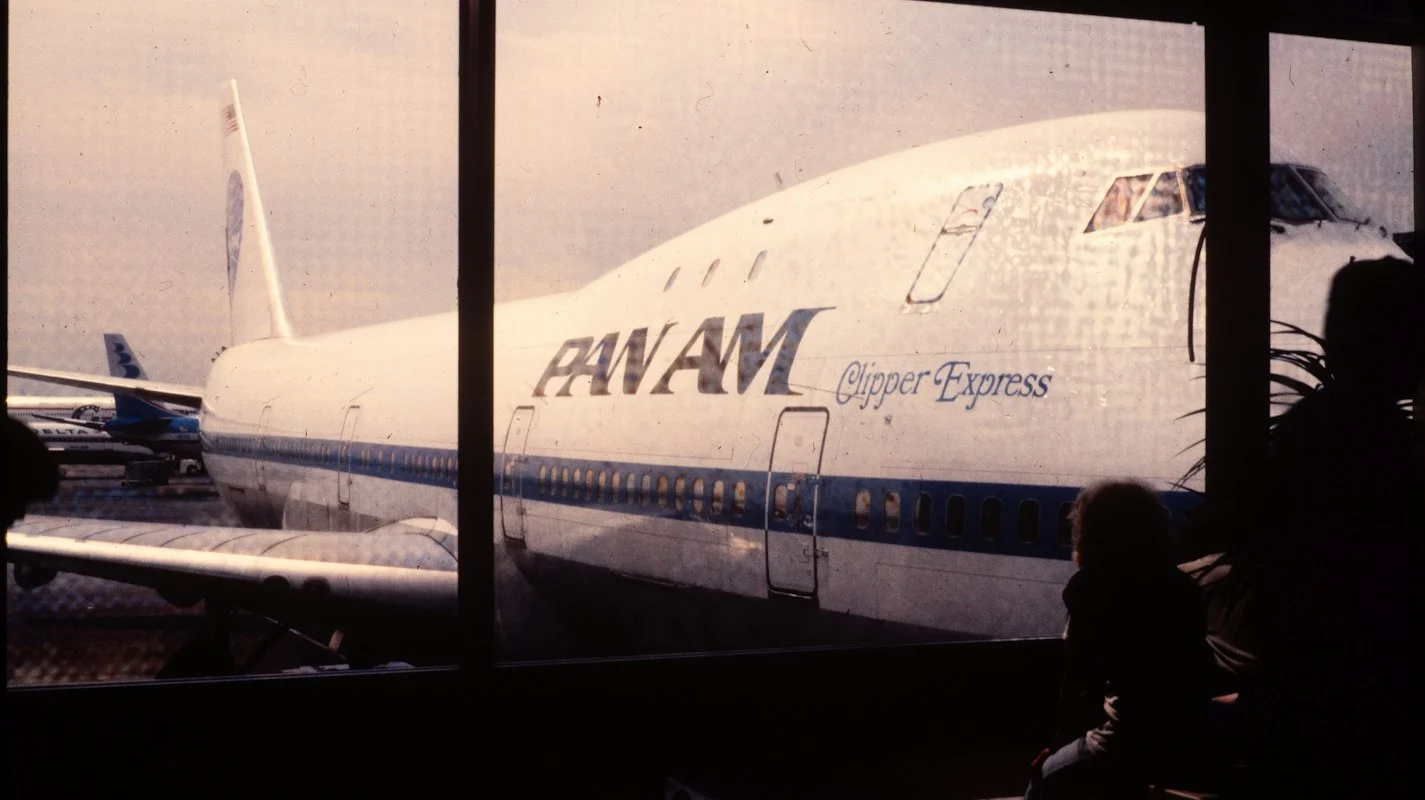
Pan Am airline bankruptcy was never just a corporate failure; it was a stress test of prestige, leverage, and operating model fragility. At its peak, Pan Am controlled prime routes, global visibility, and a brand that seemed beyond competitive reach.
Then the economics shifted. airline deregulation, fuel costs, and mounting aviation debt exposed how quickly a crown jewel can become structurally impaired when the market stops protecting its margins.
Pan Am’s Rise and Market Power
For decades, Pan Am was less an airline than an instrument of national symbolism. It owned premium transatlantic routes, dictated international standards, and translated glamour into pricing power that few rivals could challenge.
In the regulated era, that position mattered. Route allocations were scarce, fares were constrained, and Pan Am’s network created a moat that felt permanent. Investors saw an untouchable franchise, and executives acted as if scale itself guaranteed durability.
That confidence became strategic inertia. The company optimized for a world where authority and access mattered more than cost discipline, which later made Pan Am airline bankruptcy easier to understand in hindsight than to prevent in real time.
The brand was exceptional, but its economics were brittle. When a company’s identity is built on prestige, management often underestimates how fast a regulated moat can disappear once competition is allowed to price aggressively.
Deregulation Changed the Game

airline deregulation did not merely increase competition; it rewired the industry’s profit logic. Routes became contestable, pricing became dynamic, and carriers that could deploy capacity efficiently gained leverage over legacy operators.
Pan Am entered that environment with a network optimized for the old order. Lower-cost rivals exploited fare flexibility, hub economics, and leaner operating models while Pan Am struggled to adapt its global structure quickly enough. The market stopped rewarding symbolism and started rewarding efficiency.
We see this pattern often in regulated industries: once protection disappears, the incumbent’s historical advantages can flip into liabilities. Pan Am airline bankruptcy reflected that reversal with brutal clarity, because the company’s former strengths no longer translated into margin control.
As route economics shifted, the carrier was forced to defend a shrinking position in a market that increasingly punished complexity. Its revenue base became more volatile, while competitors captured domestic feed and high-yield passengers with sharper network design.
The Debt Burden That Crushed Flexibility
Balance sheet pressure narrowed Pan Am’s choices. High fixed obligations meant management had less room to absorb shocks, less flexibility to redeploy capital, and less ability to invest aggressively when the industry’s structure changed.
This is where aviation debt becomes more than a finance term. In an airline, leverage does not just raise risk; it reduces optionality. If revenues soften, debt service remains, and the strategic gap between what a company needs and what it can afford widens fast.
Pan Am’s financing structure amplified every negative turn. Fleet modernization became harder, maintenance economics became less forgiving, and the company had fewer resources to defend share when rivals were using discounting as a weapon.
That is why Pan Am airline bankruptcy belongs in the same discussion as classic capital structure failures. A famous brand can still be fragile if its liabilities outrun its operating cash generation and its competitive position is already slipping.
Fuel Costs and Cost Structure Pressures
Few inputs are as destabilizing in aviation as jet fuel. fuel costs can move margins in either direction with little warning, and carriers with weak pricing power feel the shock immediately in operating income.
Pan Am faced that reality with limited room to maneuver. When energy costs rose, the company could not always pass them through without losing traffic, especially in a market where rivals were competing on price and schedule discipline.
| Cost Pressure | Economic Effect | Why It Hurt Pan Am |
|---|---|---|
| Jet fuel volatility | Margin compression | Limited ability to reprice quickly |
| Aircraft utilization | Operating leverage swings | Fixed costs stayed high even when demand softened |
| Maintenance and handling | Structural expense rigidity | Old fleet economics were harder to defend |
| Labor and overhead | High breakeven load factors | Weak cash flow left little shock absorption |
That table explains why the economics deteriorated so quickly. In our analysis, the real danger was not a single cost spike, but the interaction between volatile inputs and a cost base that could not reset fast enough.
Pan Am airline bankruptcy accelerated because operating leverage works both ways. When demand is strong, the model magnifies gains; when fuel and pricing turn against you, the same structure magnifies losses.
Failed Strategic Bets and Asset Sales
Pan Am spent years trying to buy time through transactions that stabilized liquidity but weakened the franchise. Asset sales can be rational in a crisis, yet they often strip away the very network economics that create long-term value.
Route losses and divestitures reduced the company’s strategic footprint. Once that happens, the carrier may appear to be conserving cash, but it is also shrinking the platform that supports brand relevance and yield quality.
We observe a familiar trap here: management sells assets to survive the quarter, then discovers it has sold future bargaining power too. That tradeoff was central to Pan Am airline bankruptcy, because each short-term fix made the remaining business less resilient.
The problem was not only what Pan Am sold, but what it failed to replace. Acquisitions and expansions did not generate durable network economics, so the company kept rearranging the deck while the ship’s center of gravity shifted downward.
Labor Costs and Operating Inertia
Airlines are labor-intensive businesses, and Pan Am was no exception. Union contracts, pension commitments, and negotiated work rules created a fixed-cost structure that was difficult to unwind without triggering operational disruption.
That created operating inertia. Management could see the market changing, but the organization was not built for rapid cost resets. When labor economics are locked in, strategic response slows, and every delay compounds the financial gap.
Labor economics also shape morale and execution. If employees expect retrenchment but see no coherent restructuring plan, productivity can weaken while management loses the ability to align cost reductions with network changes.
In our reading, Pan Am airline bankruptcy was not only a market story; it was a coordination failure. The company needed lower costs, but its legacy structure made speed expensive and compromise unavoidable.
The Bankruptcy Cascade and Liquidation
The end did not arrive in one clean moment. It came as a cascade of failed stabilizations, each one shrinking the odds of a durable recovery until liquidity and confidence finally broke together.
Once that happens, bankruptcy becomes self-reinforcing. Customers worry about service continuity, suppliers tighten terms, and creditors reassess recovery values in real time. The airline’s network begins to fragment before the legal process is even complete.
For readers who track distressed situations, the collapse is familiar from other major failures such as Washington Mutual: once confidence evaporates, asset value can disappear faster than balance sheets suggest. Pan Am’s liquidation followed that same logic of rapid unraveling.
Routes were broken apart, assets were sold, and what remained of the franchise could not support a credible turnaround. The endgame for stakeholders was not a dramatic single event, but a controlled dismantling of a business that no longer had enough operating coherence to survive.
What Investors Should Learn Today
Pan Am airline bankruptcy still matters because the underlying lessons are modern. A powerful brand does not protect investors if leverage is high, costs are rigid, and the competitive moat depends on a market structure that can disappear.
For operators and capital allocators, the warning signs are often visible long before the filing. In distressed sectors, we watch for revenue dependence on legacy pricing, declining flexibility, and management teams using asset sales to postpone strategic repair.
- Leverage: High fixed obligations can convert an ordinary slowdown into a solvency event.
- Cost rigidity: If expenses cannot reset quickly, margin shocks become existential.
- Moat erosion: A brand without structural economics is vulnerable once regulation or pricing changes.
- Liquidity masking: Asset sales may buy time while weakening the long-term franchise.
If you want the broader pattern behind this kind of collapse, compare it with deepfake fraud risk or the mechanics behind a modern fraud cascade. Different sectors, same principle: when trust breaks, economics follows.
For investors studying airline economics today, the lesson is simple and unforgiving: in a stressed industry, the strongest-looking brand can still be the weakest balance sheet. If you want more forensic stories like this, stay with Pan Am airline bankruptcy coverage and the wider investigative reports at Wall Street Secrets.
Frequently Asked Questions about Pan Am airline bankruptcy
Why did Pan Am airline bankruptcy happen after the company had such a powerful brand?
Pan Am’s brand was strong, but its business model was built for a regulated era. When deregulation increased price competition, the airline’s premium image could not offset higher costs, rigid routes, and shrinking margins, turning prestige into a weak defense.
How did airline deregulation contribute to Pan Am’s collapse?
Deregulation rewired the industry by making routes contestable and fares more flexible. Rivals with leaner networks and lower costs could compete aggressively, while Pan Am’s global structure was slow to adapt, leaving it exposed to revenue pressure and declining efficiency.
What role did aviation debt play in Pan Am’s financial failure?
Heavy debt reduced Pan Am’s flexibility when market conditions changed. Fixed obligations limited its ability to absorb shocks, invest in restructuring, or respond quickly to competition, which made operational weaknesses more dangerous and accelerated the path to bankruptcy.
How does Pan Am compare with airlines that survived deregulation?
Airlines that survived often adapted by building efficient hubs, controlling costs, and targeting profitable traffic. Pan Am, by contrast, remained tied to an older prestige-driven model, so its strengths in the regulated era became liabilities in a more competitive market.
What is the biggest myth about Pan Am airline bankruptcy?
The biggest myth is that Pan Am failed because its brand lost appeal. In reality, the collapse was driven by structural economics: deregulation, debt, and an inflexible network. The brand remained iconic, but iconicity alone could not repair weak margins.