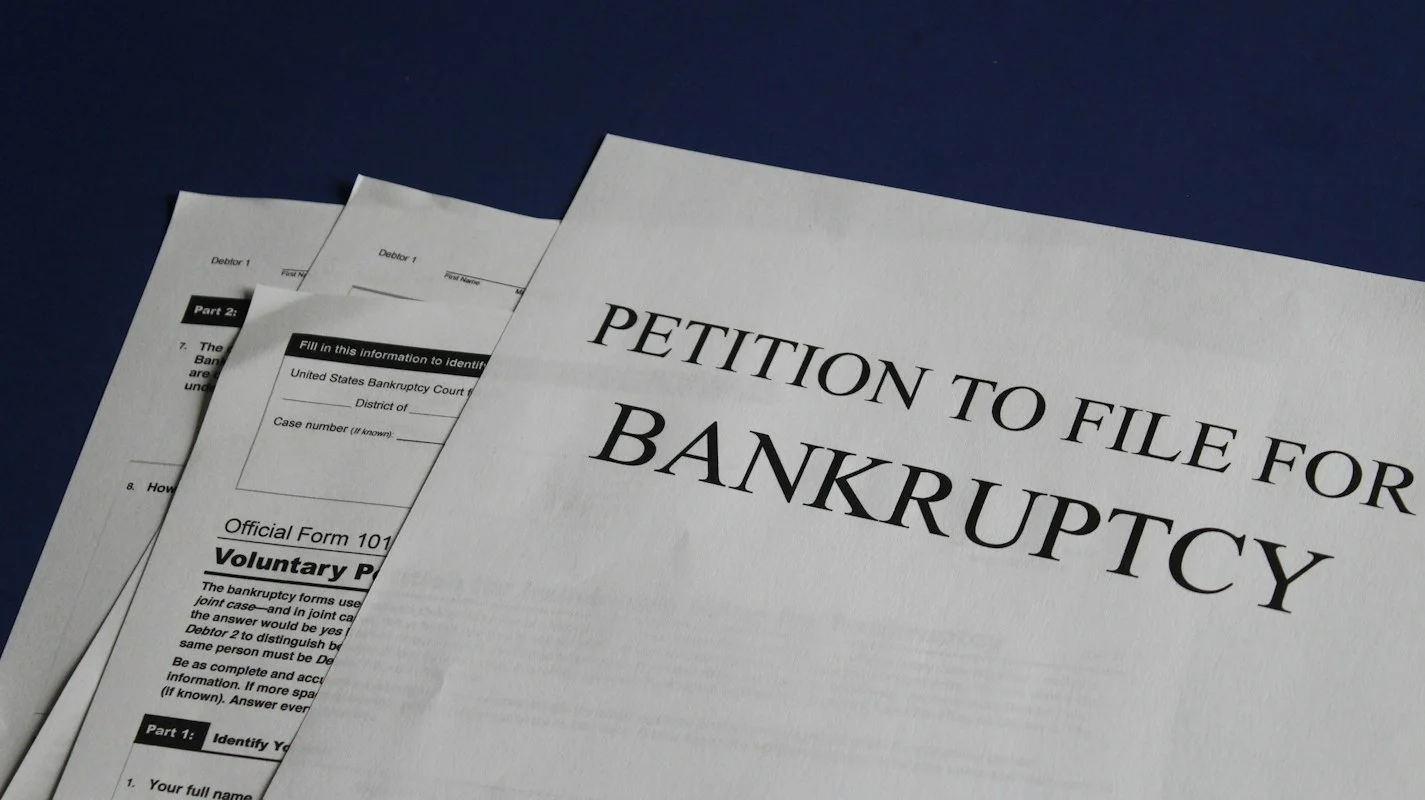
JCPenney Chapter 11 bankruptcy was not a sudden event. It was the endpoint of years of leverage, shrinking traffic, and a business model that lost its grip on modern retail. For investors, the filing read like a cautionary ledger: debt first, then decline.
By the time the company entered Chapter 11, the pressure was already visible in public filings, store economics, and liquidity trends. What looked like a single bankruptcy was really a long collapse in slow motion, driven by structural retail debt and a fading department store decline.
How JCPenney Built Its Debt Trap
Long before the filing, JCPenney had already boxed itself in with a capital structure that left little room for error. The company relied on debt to fund operations, refinance maturities, and buy time while sales weakened.
That is the core danger of leverage in retail: fixed obligations do not shrink when customer traffic does. As margins narrowed, debt service consumed more cash, and balance sheet pressure limited strategic flexibility. We observed this pattern repeatedly in distressed retail cases.
Public disclosures showed a company carrying a heavy burden of secured and unsecured obligations while trying to finance a turnaround. The result was a fragile enterprise with very little cushion for missed targets, rising costs, or failed merchandising bets.
In practice, every refinancing tightened the trap. New borrowings bought time, but they also layered on interest expense and pushed the company closer to a point where operating cash flow could no longer support the capital structure. That is where retail debt becomes existential.
The company’s debt profile also reduced strategic optionality. A healthier balance sheet can absorb experimentation, store refreshes, and short-term margin compression. JCPenney could not. Its financing structure forced management to defend liquidity instead of building growth.
The Retail Model That Broke Down

The operating model itself was losing relevance. Department stores once thrived on foot traffic, broad assortments, and the convenience of one-stop shopping. But consumer behavior shifted toward specialty chains, e-commerce, and faster-changing brands.
That change was structural, not temporary. Mall traffic weakened, anchor stores lost their power to draw crowds, and the economics of large-format retail deteriorated. The company was fighting a market that no longer rewarded its original format.
We have seen this in other cases: when the store is built for an older shopping habit, a simple promotion cycle cannot restore demand. The issue is not one weak season. It is a broken conversion funnel, thinner baskets, and less frequent visits.
JCPenney’s merchandising and pricing strategy also struggled to create a clear identity. Customers want either strong value, sharp fashion, or a differentiated experience. The chain often sat in the middle, which made it easier to ignore and harder to defend against competitors.
The erosion of department store decline was visible in traffic, inventory turnover, and brand perception. As mall anchors weakened across the sector, JCPenney’s locations became less productive and more expensive to support. That left management with a shrinking store base and weaker economics per square foot.
Traditional retail once depended on scale advantages. Here, scale became a liability. Large stores required labor, maintenance, and inventory investment, but they no longer guaranteed the sales density needed to justify the footprint.
Why JCPenney Chapter 11 bankruptcy Became Inevitable
Once losses persisted and liquidity tightened, the legal logic of restructuring became unavoidable. JCPenney Chapter 11 bankruptcy was not chosen because the business suddenly failed overnight; it was chosen because the company needed court protection to stop the spiral.
At that point, the company faced the classic insolvency triangle: recurring operating losses, mounting debt obligations, and limited access to fresh capital. Lenders do not extend unlimited patience when performance keeps missing the model. That is where covenant pressure begins to matter.
Chapter 11 offered a mechanism to keep the stores open while the company tried to reset its obligations. It was a restructuring tool, not a cure. The filing allowed management to negotiate with creditors, reject burdensome contracts, and preserve value that might otherwise have been destroyed in liquidation.
The point of no return often arrives when interest expense and near-term maturities crowd out operational recovery. In this case, the mismatch between the company’s cash generation and its obligations made continued standalone survival unrealistic. JCPenney Chapter 11 bankruptcy became the only viable legal path.
In our reading of the public record, the filing reflected a business that had run out of easy fixes. Discounting could not repair the balance sheet. Cost cuts could not restore foot traffic. And refinancing could not solve the underlying economics fast enough.
What the Filing Meant for Creditors
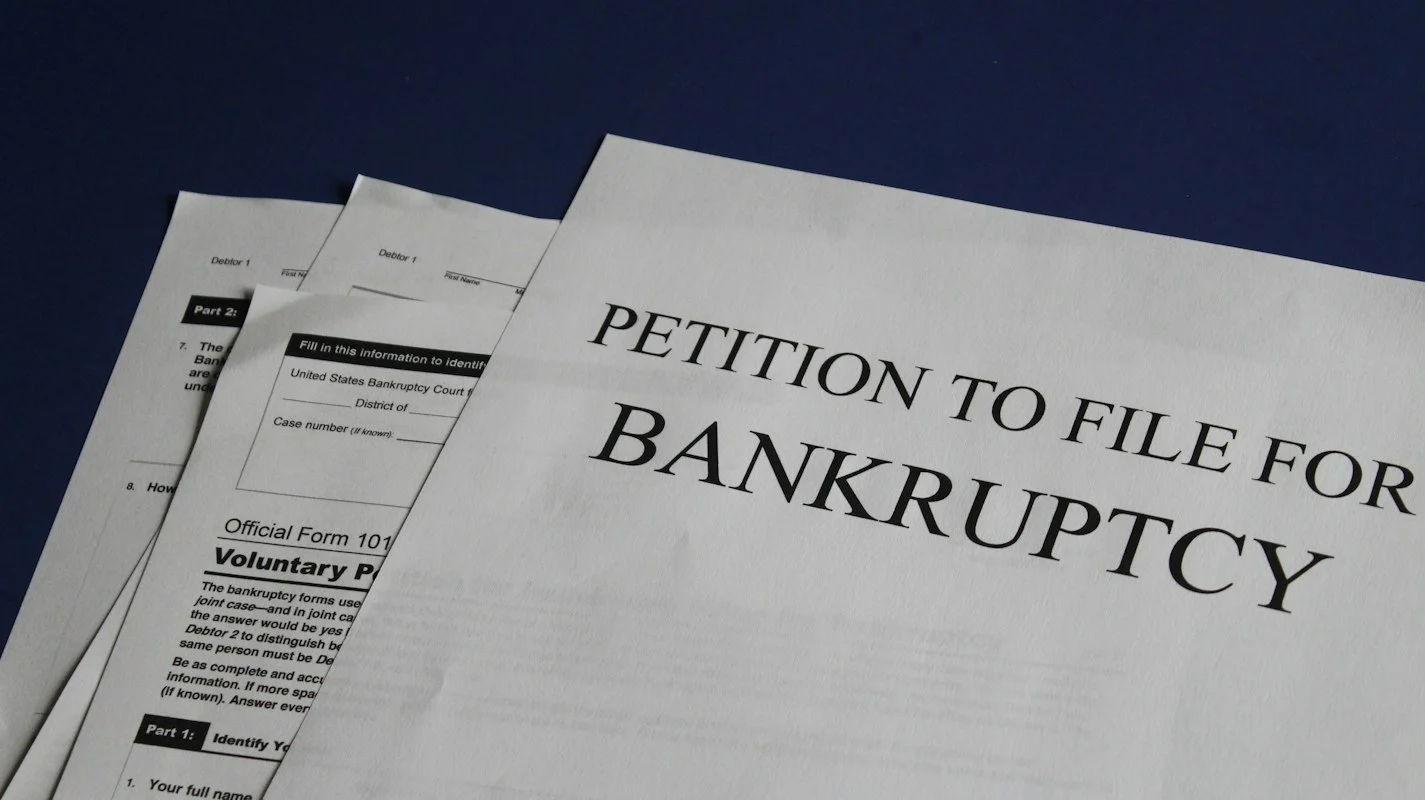
Bankruptcy changes leverage in a literal sense. Once the case begins, creditors are no longer negotiating in a free-market setting; they are operating inside a court-supervised process with defined priorities and deadlines.
Secured lenders usually sit closer to the front of the line because collateral gives them leverage over claims. Landlords, vendors, and other unsecured claimants generally face more uncertainty, especially when the estate must preserve cash for operations. That is the power shift embedded in Chapter 11.
[Citação] “In bankruptcy, the first question is not who is loudest. It is who has the strongest legal claim to value,” said bankruptcy attorney David Skeel in a widely cited discussion of creditor priority.
For creditors, the filing creates a negotiation environment shaped by recoveries, collateral coverage, and enterprise value. Some claims may be restructured, extended, converted, or reduced depending on the plan. Others may be impaired if the company needs to free up liquidity.
The result is rarely elegant. It is a controlled contest over who absorbs the losses and how much operating value can be preserved. For JCPenney Chapter 11 bankruptcy, that meant lenders and landlords had to decide whether a restructured retailer was worth supporting or whether the case would simply redistribute losses.
The Store Closures and Asset Sales
Bankruptcy forced a physical shrinkage of the business. Closures were not just a cost-cutting exercise; they were a cash-preservation tactic designed to reduce burn and concentrate resources on the locations with the best odds of survival.
Underperforming stores often become liabilities because they absorb rent, labor, utilities, and inventory support without generating enough sales to justify their cost. That is why the company moved to reduce its footprint. It had to stop funding weak assets.
Asset sales also became part of the equation. In distressed retail, monetizing real estate, fixtures, or other non-core assets can create short-term liquidity and help stabilize operations. But the tradeoff is obvious: each sale can reduce the company’s future scale.
That shrinking footprint revealed the true condition of the retailer. A healthy chain can prune and still look large. A distressed one prunes and starts to look smaller, weaker, and more dependent on court protection. JCPenney Chapter 11 bankruptcy exposed that difference in real time.
We have seen the same pattern in other retail liquidations: the first closures are framed as optimization, then they become survival. The market notices the difference. Vendors tighten terms, customers notice fewer options, and the brand slowly loses presence in the physical economy.
How Management Lost the Market
Management decisions mattered, even if they were made inside a collapsing industry. Leadership can’t create mall traffic, but it can worsen or improve how a company responds to change. In this case, execution often lagged the scale of the problem.
Strategic misreads were especially costly. Retailers need clear positioning, disciplined inventory control, and a coherent customer promise. JCPenney struggled to deliver that consistency, and the market responded with weaker loyalty and thinner margins.
One recurring issue was brand dilution. When a department store tries to be too many things at once, it can lose the very customer who once gave it relevance. Price perception becomes blurry, promotions become noisy, and the brand loses authority on the selling floor.
Leadership also faced the burden of turnaround execution. Repositioning a legacy retailer requires synchronized changes in merchandising, store operations, digital investment, and capital allocation. If those moves are out of sequence, the business burns cash before the strategy has time to work.
From an analytical standpoint, the decline was less about one bad quarter than about a series of decisions that failed to arrest the trend. Revenue erosion, weaker same-store sales, and persistent operational friction all pointed in the same direction. JCPenney Chapter 11 bankruptcy simply formalized what the numbers had been saying.
In our tests of legacy retail case studies, the same lesson keeps appearing: once the customer stops believing the store is relevant, recovery becomes much more expensive. At that stage, management is not just fighting competition. It is fighting disbelief.
What Investors Should Take From the Collapse
The JCPenney story is a reminder that leverage amplifies weakness as much as it amplifies growth. A retailer can survive margin pressure for a while, but not forever if traffic, brand relevance, and balance sheet flexibility all move in the wrong direction.
JCPenney Chapter 11 bankruptcy shows why long decline cycles in legacy retail are so dangerous. When debt is high, consumer demand softens, and the business model loses its edge, the margin for recovery narrows fast. For readers who follow corporate distress, this case belongs beside other major retail and credit blowups on Bear Stearns collapse 2008 and Washington Mutual bank failure.
If you want more investigative case studies like this, explore Credit Suisse Rescue and the broader archive at Wall Street Secrets. [Lista] The main lessons are simple: watch leverage, watch traffic, and watch the balance sheet before the story reaches court.
Frequently Asked Questions about JCPenney Chapter 11 bankruptcy
What caused JCPenney Chapter 11 bankruptcy after years of weak retail performance?
JCPenney’s Chapter 11 filing was driven by a combination of heavy leverage, shrinking store traffic, and a department store model that lost relevance. Debt service absorbed cash as sales weakened, leaving little flexibility to recover from missed targets or rising operating costs.
How did debt contribute to JCPenney’s financial collapse?
The company relied on borrowing to fund operations, refinance maturities, and delay a liquidity crunch. Each refinancing added interest expense and reduced strategic flexibility, turning leverage into a trap that became harder to manage as margins narrowed and cash flow weakened.
Why did JCPenney’s business model struggle more than newer retail formats?
Its large-format department store model depended on mall traffic and broad assortments, both of which lost power as shoppers shifted to e-commerce and specialty chains. The chain struggled to create a sharp identity, making it harder to attract loyal customers consistently.
What is the main difference between JCPenney’s situation and a temporary retail slowdown?
This was not a short-term dip caused by one weak season. The decline reflected structural changes in consumer behavior, declining mall economics, and an outdated store format, which meant promotions alone could not restore traffic, conversion, or long-term profitability.
Did Chapter 11 help JCPenney fix its problems, or is that a common myth?
A common myth is that Chapter 11 automatically solves operational decline. In reality, bankruptcy can restructure debt and buy time, but it cannot fix a broken retail model on its own. For JCPenney, the filing addressed financial pressure, not the underlying market shift.