
The Bear Stearns collapse 2008 was not simply a story of bad assets. It was a real-time failure of confidence, funding, and market access at a firm built to live on borrowed money. When lenders hesitate, even a large dealer can start to unravel fast.
Bear Stearns had a strong brand, deep trading ties, and years of profit from fixed-income markets. But beneath that image sat fragile broker dealer funding, thin capital buffers, and heavy mortgage exposure. Once trust cracked, the spiral moved faster than its balance sheet could adjust.
Bear Stearns Before the Crisis
Before the panic, Bear Stearns looked like a top-tier Wall Street dealer with serious market muscle. It was a major player in bonds, structured credit, and derivatives, and its reputation rested on speed, precision, and access to short-term financing.
That model worked because counterparties believed the firm was liquid, disciplined, and always able to roll its obligations. In practice, that meant the business depended on confidence as much as capital. The Bear Stearns collapse 2008 later showed how quickly that confidence could be re-priced.
The firm’s balance sheet was not built like a commercial bank’s deposit base. It leaned on trading inventory, repurchase agreements, and constantly renewed market funding. In plain terms, the machine kept running only as long as lenders were willing to keep the tape moving.
We can see the danger in how quickly a respected dealer can become fragile once perceptions shift. The Bear Stearns collapse 2008 did not begin with a public shutdown. It began when confidence in the firm’s ability to fund itself started slipping through private channels.
The Leverage That Made It Fragile

Leverage magnified every gain Bear Stearns booked in the boom years. It also magnified every mark-down, every margin call, and every rumor. A highly levered broker-dealer can look efficient on paper while carrying a structural weakness that only appears under stress.
That weakness came from the gap between short-term liabilities and longer-dated, harder-to-sell assets. With broker dealer funding, the firm borrowed overnight or very short term to finance positions that could not be liquidated instantly without losses. That mismatch was the real trap.
Repo financing made the system look stable because it was routine. Securities were pledged, cash was advanced, and positions were rolled again and again. But once haircut demands rise, the firm must post more collateral or unwind assets at unfavorable prices, and the margin of safety disappears.
The Bear Stearns collapse 2008 is often remembered for the headline rescue, but the mechanics were already embedded in the capital structure. Leverage turned a manageable asset decline into an emergency because the firm could not wait for markets to normalize. It needed cash now.
In our review of dealer-bank failures, this pattern repeats with unsettling consistency: profits are reported as if they are durable, while liquidity is treated like a background function. The Bear Stearns collapse 2008 exposed how quickly that assumption can fail.
Subprime Exposure and Market Panic
Bear Stearns held significant exposure to mortgage-related assets, including structures tied to subprime lending and higher-risk credit pools. When home prices turned and delinquencies climbed, those securities stopped behaving like liquid instruments and started behaving like uncertain claims.
That shift mattered because valuation damage was only part of the problem. The bigger issue was credibility. As the market digested worsening mortgage exposure, counterparties began to question not only the value of Bear’s positions, but the reliability of its marks and its ability to survive funding stress.
The panic widened as spreads moved against the firm and investors read every signal as a sign of deeper weakness. At that stage, the Bear Stearns collapse 2008 was no longer a debate about asset quality alone. It had become a debate about survival.
The market’s psychology changed fast. What starts as concern over price discovery can become fear over default exposure. That is what happened when the Bear Stearns collapse 2008 moved from a valuation story into a counterparty story, and finally into a liquidity story.
Why the Funding Markets Shut Down
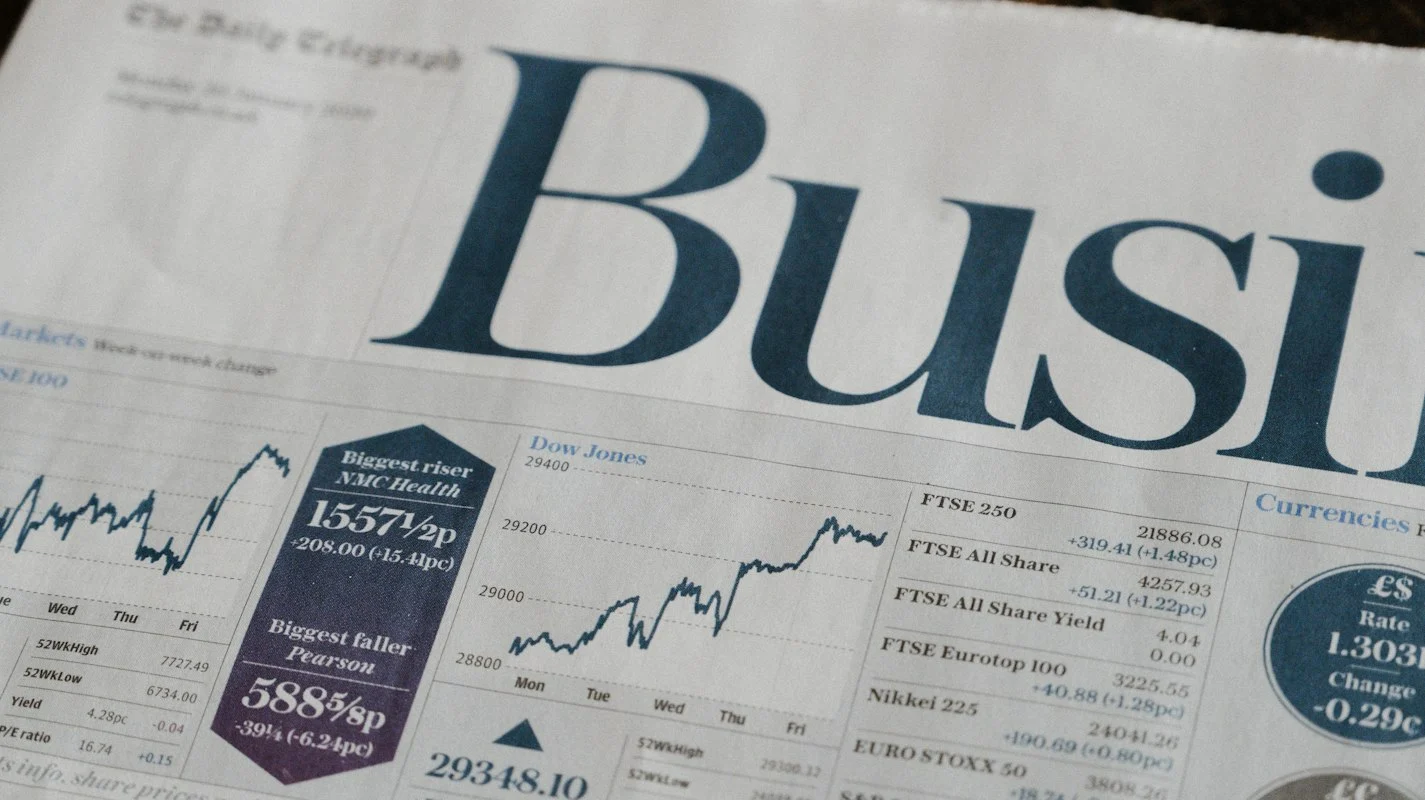
Once repo lenders start pulling back, the entire financing chain tightens at once. Haircuts increase, collateral demands rise, and short-term lenders become selective. For a large dealer, that can feel like the floor is disappearing under normal operations.
Bear Stearns was not facing an immediate lack of assets on paper. It was facing a refusal of others to keep financing those assets. That distinction is central to the Bear Stearns collapse 2008, because liquidity crises destroy institutions through funding, not through accounting alone.
Counterparties reduced exposure because they feared being the last lender standing. That reflex is self-reinforcing. The more one lender steps away, the more the rest worry about hidden losses, and the faster the market freezes. In effect, confidence becomes the scarce commodity.
The Bear Stearns collapse 2008 demonstrates a hard truth of modern finance: a firm can still own securities, loans, and collateral while becoming functionally insolvent in the eyes of the market. If nobody will lend against the assets, the assets cannot sustain the business.
Public reporting and later analyses from the Federal Reserve and major post-crisis reviews made the same point: liquidity can vanish in hours when lenders lose faith. That is the moment a market problem becomes an institutional one.
The Weekend Rescue Deal
By the time emergency talks accelerated, Bear Stearns had lost bargaining power. The firm needed a backstop, and the options had collapsed into a single urgent path. That is why the transaction became a forced solution rather than a normal acquisition.
The Federal Reserve played a central role by helping arrange support through a special financing structure, while JPMorgan Chase emerged as the buyer. The JPMorgan rescue did not reflect a clean strategic purchase in the usual sense. It was a crisis containment measure.
The speed of the deal tells the story. In normal M&A, sellers negotiate valuation from a position of leverage. Here, Bear had almost none. The Bear Stearns collapse 2008 stripped away time, alternatives, and confidence in one compressed weekend.
Observers often focus on the final price, but the more important fact was the collapse in negotiating power. The firm had become dependent on immediate support, and the market knew it. The Bear Stearns collapse 2008 ended not with a graceful sale, but with a rescue designed to stop broader contagion.
What Bear Stearns Exposed About Wall Street
Bear Stearns exposed how hidden leverage can sit inside a respected franchise for years without triggering alarm. The firm looked strong because the market was willing to fund it, not because its structure was immune to stress. Once that permission vanished, the illusion vanished with it.
[Citação] “Liquidity is the first thing to disappear and the last thing people notice until the funding lines are already broken,” said former crisis examiner James McNulty, describing the Bear case years later.
That line captures the core lesson. Solvency can erode slowly, but liquidity can disappear suddenly. The Bear Stearns collapse 2008 showed that market psychology can move faster than any balance-sheet repair plan, especially when counterparties begin to fear being trapped.
This is also why systemic risk matters. One dealer’s stress can become everyone’s problem if its financing web runs through the broader market. The Bear Stearns collapse 2008 became a warning that modern finance can hide fragility inside structures that appear diversified and sophisticated.
It also revealed a deeper truth about Wall Street behavior: lenders react to signals, not just numbers. Once the signal changes, the market can reprice a firm’s entire future in a matter of sessions. That is how a liquidity event becomes a psychological event.
The Aftermath for Markets and Regulators
The collapse shook investor confidence because it showed that a storied dealer could fail without warning signs visible to outsiders. Institutions that relied on trading relationships started reassessing their own funding exposure, counterparty lists, and collateral assumptions.
Regulators also had to confront the limits of pre-crisis supervision. Bear Stearns became an early signal that shadow banking structures could create systemic vulnerability outside traditional deposit-taking banks. The crisis was not contained by legal form.
As the Bear Stearns collapse 2008 spread through market commentary, it changed how people talked about dealer banks. The question was no longer whether a firm was profitable in a quarter. It was whether it could survive a sudden refusal of funding.
That shift helped sharpen the focus on counterparty risk and liquidity stress testing. It also made market participants more aware that trust in wholesale finance is fragile by design. Once the interdealer market starts doubting a firm, the entire franchise can be repriced overnight.
Lessons Hidden in the Collapse
The historical value of Bear Stearns is not about one failed firm alone. It is about the structure of modern markets and the way liquidity, leverage, and confidence interact under pressure. The case still reads like a map of hidden institutional weakness.
Bear Stearns collapse 2008 teaches a simple but severe lesson for corporate law readers and market watchers alike: institutions can be fragile long before they become visibly insolvent. For more on how financing structures can mask risk, see Lehman Brothers Repo 105 Explained and The Substack Empire.
[Lista] The core takeaways are clear: leverage can hide fragility, repo funding can vanish quickly, mortgage-linked assets can destroy confidence before they destroy capital, and a rescue can arrive only after bargaining power is gone.
That is why the story still matters. It is a case study in institutional fragility, market psychology, and the speed of modern funding runs. For readers tracking systemic breakdowns, the Bear episode remains one of Wall Street’s clearest warnings, alongside the Flash Crash Architecture analysis.
Frequently Asked Questions about Bear Stearns collapse 2008
What triggered the Bear Stearns collapse 2008 beyond bad mortgage assets?
The collapse was driven less by one bad asset class and more by a sudden loss of confidence in Bear Stearns’ ability to fund itself. Once lenders hesitated, repo financing tightened, counterparties pulled back, and the firm entered a fast-moving liquidity spiral.
How did Bear Stearns’ broker-dealer funding model increase its risk?
Bear Stearns relied heavily on overnight and short-term market funding instead of stable deposits. That structure worked in normal times, but it left the firm exposed when lenders demanded more collateral or refused to roll funding, making liquidity vanish quickly.
Why did leverage make Bear Stearns more fragile than a commercial bank?
High leverage amplified both profits and losses, while Bear Stearns held assets that could not be sold instantly without discounting them. Unlike commercial banks with deposit bases, it depended on constant market confidence, so stress could turn into a funding crisis very fast.
How does the Bear Stearns collapse 2008 compare with other dealer-bank failures?
It followed a familiar pattern: short-term liabilities funded longer-term or less liquid assets, then confidence eroded and counterparties backed away. What made Bear Stearns notable was how quickly a respected Wall Street dealer could become vulnerable once private funding channels froze.
Is it a myth that Bear Stearns failed only because of toxic mortgage securities?
Yes. Mortgage exposure mattered, but the decisive problem was the firm’s inability to finance itself under pressure. The balance sheet could have absorbed stress longer if lenders had remained confident, yet once market trust broke, the liquidity mismatch became the real fatal weakness.