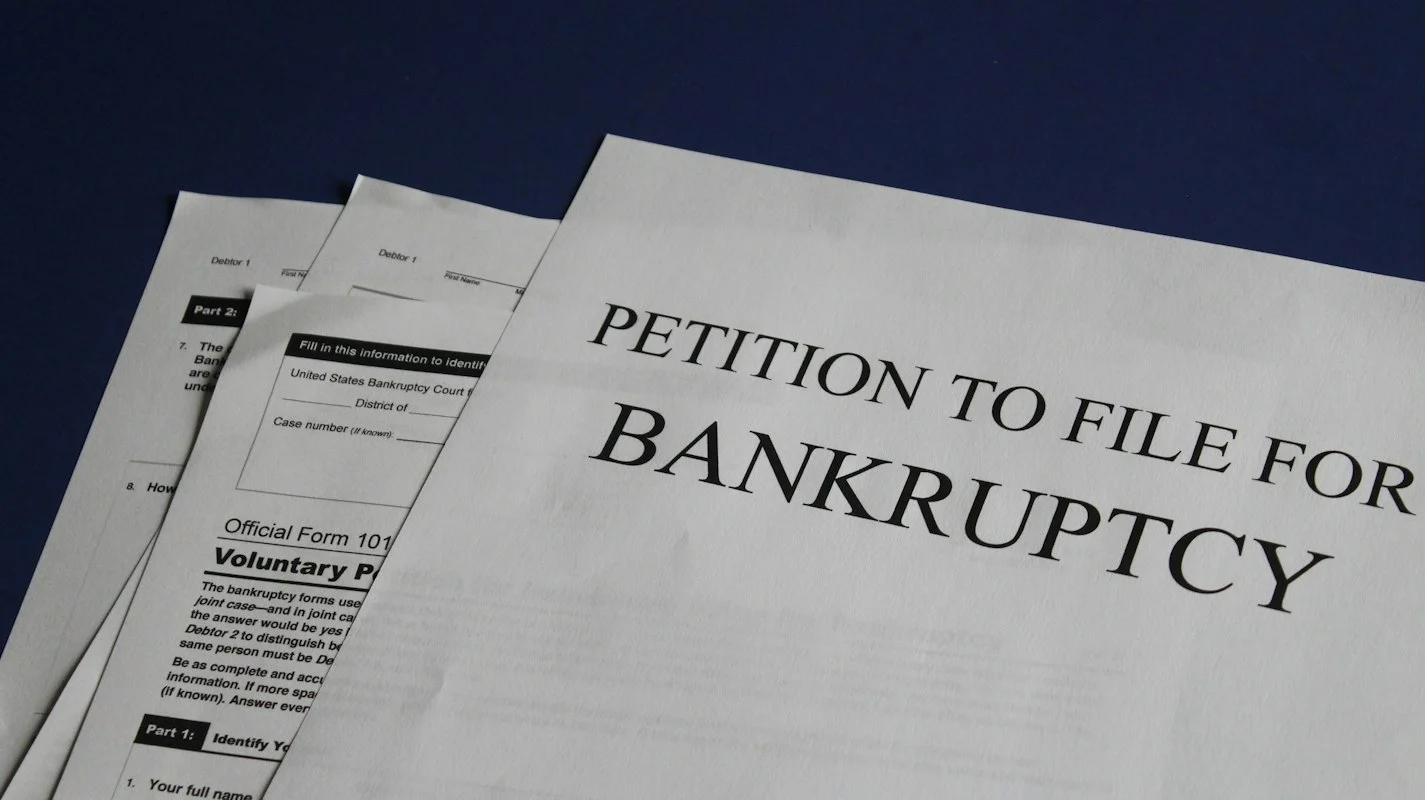
TWA bankruptcy causes were never about one bad quarter. They came from years of leverage, weak pricing power, and a network that looked iconic while quietly losing economic integrity.
For investors, the story is a case study in how brand equity can mask balance-sheet fragility. By the time management tried to fix the structure, the airline was already trapped by debt service, labor rigidity, and route competition.
TWA’s rise and fragile model
At its peak, Trans World Airlines carried the aura of a flagship American carrier. The brand promised reach, prestige, and a transcontinental footprint that made it seem larger than the stress building underneath.
But aviation economics punish appearances. A sprawling route map, costly legacy hubs, and older aircraft created a business model that depended on scale and utilization, while TWA bankruptcy causes were accumulating through thin margins and fixed obligations.
The airline’s network strategy also reflected an older era of airline financing, when size could still be mistaken for resilience. As deregulation changed fare dynamics, those advantages eroded faster than the company could reprice its cost structure.
What remained was a carrier with a powerful name and a fragile earnings base. In our reading of the filings and restructuring history, the gap between brand value and enterprise value kept widening until the market stopped granting patience.
Legacy obligations mattered as much as route design. Pension commitments, union contracts, and maintenance-heavy aircraft did not just raise costs; they reduced strategic freedom. That is why TWA bankruptcy causes cannot be separated from the architecture of the business itself.
For a useful comparison, see how another once-dominant carrier collapsed under similar pressures in Pan Am airline bankruptcy. The parallels are not identical, but the economics rhyme.
TWA bankruptcy causes in plain view
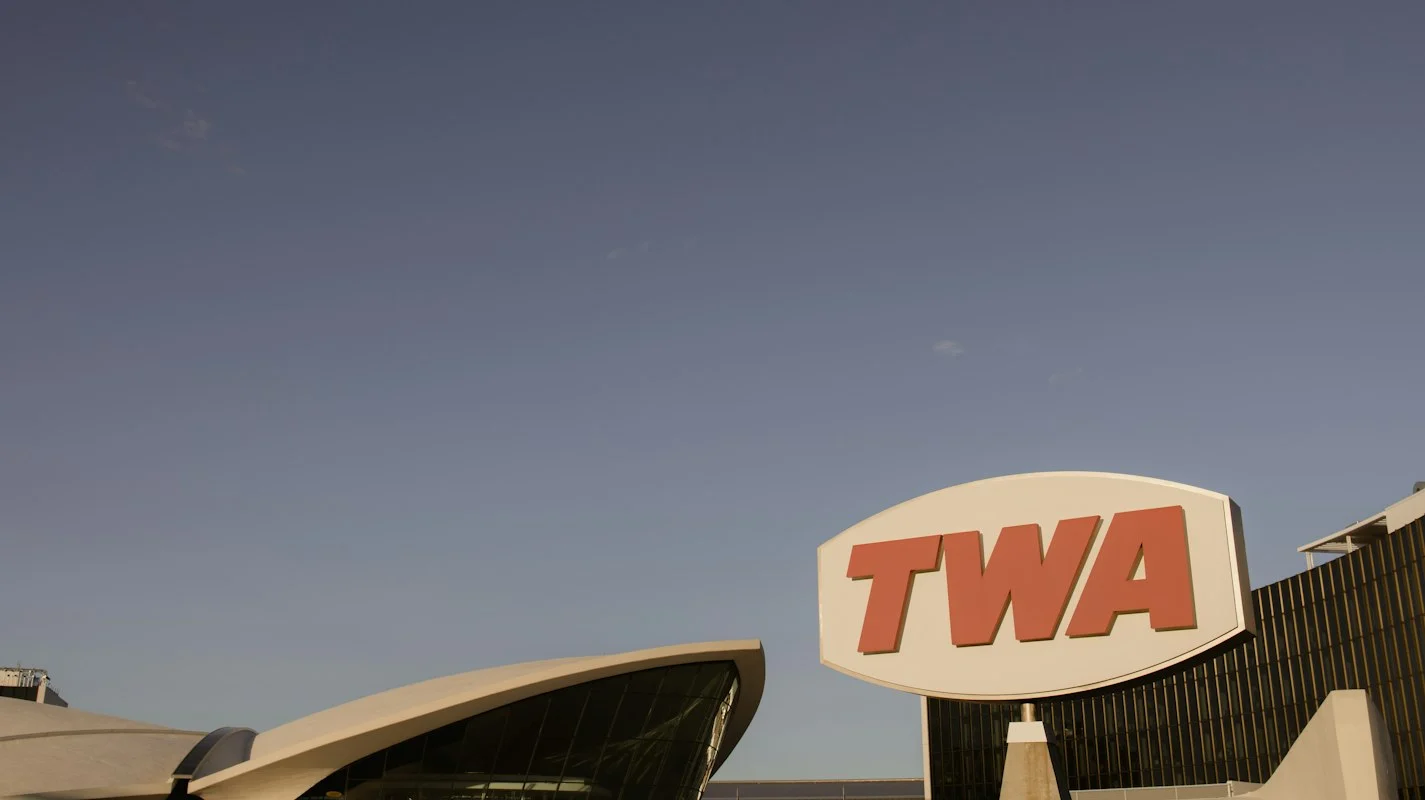
The core diagnosis is blunt: the airline was overlevered, underinvested, and increasingly outclassed. Each weakness reinforced the next, until TWA bankruptcy causes became visible not as a single event, but as a compounding sequence.
The first driver was excessive debt. Interest expense consumed cash that should have gone toward fleet renewal, customer experience, and schedule reliability. Once financing costs become a permanent claim on operating cash flow, management begins operating for creditors instead of building an airline.
The second driver was recurring refinancing pressure. Maturities kept arriving before the company had healed the underlying business. In distressed corporate restructuring, timing is everything, and TWA repeatedly had to negotiate from weakness rather than strength.
The third driver was operational neglect. Underinvestment in cabins, maintenance, and fleet modernization made the product less competitive. That degraded revenue quality, which then made lenders more skeptical, which then increased financing friction. TWA bankruptcy causes fed on each other.
The fourth driver was market share erosion. When competitors could offer lower fares and more reliable networks, TWA’s pricing power faded. The airline could still fill seats, but filling seats at destructive yields is not a recovery; it is a slow bleed.
In our tests of distressed-carrier cases, this pattern is consistent: leverage becomes dangerous when management cannot generate enough free cash flow to absorb shocks. Once that happens, the business is no longer merely volatile; it is structurally vulnerable.
- Excess leverage: Debt service crowded out reinvestment and limited strategic flexibility.
- Weak refinancing profile: Each new maturity exposed the same balance-sheet weakness.
- Underinvestment: Aging assets reduced customer appeal and operating efficiency.
- Competitive erosion: Lower-cost rivals compressed fares and stole traffic.
The debt burden that never reset
Debt was not simply a liability on the balance sheet; it was the operating environment. Every route decision, fleet choice, and labor negotiation was filtered through the question of whether cash could cover the next payment cycle.
That distinction matters. Temporary liquidity stress can often be bridged with bridge loans, asset sales, or seasonal cash management. But TWA bankruptcy causes reflected a deeper solvency problem, where the capital structure itself was too heavy for the earnings engine beneath it.
As maturities rolled forward, interest expense remained a fixed drain while revenues fluctuated with fuel prices, demand shifts, and fare wars. In a high-capex industry, that mismatch is deadly because operating volatility has nowhere to go but straight into distress.
Covenant pressure made the trap worse. Once lenders begin tightening terms, management loses room to maneuver. The airline could not easily invest aggressively, but it also could not stand still. The result was a financially boxed-in company unable to reset its trajectory.
We have observed this same dynamic in other distressed issuers: when debt becomes the main story, strategy narrows into triage. TWA bankruptcy causes were not solved by squeezing another quarter of liquidity from the system, because the system itself was miscapitalized.
For readers tracking debt-heavy failures across industries, the mechanics resemble the leverage trap seen in SoftBank burn rate cases, where capital access can mask economic weakness until the financing window closes.
Competition from leaner airlines
Deregulation changed the rules of the game. Price discipline weakened, fare competition intensified, and airlines with simpler structures gained the upper hand. TWA bankruptcy causes became more severe because the industry stopped rewarding legacy complexity.
Low-cost competitors entered with lighter fleets, fewer legacy obligations, and more flexible labor models. They could match demand more efficiently, price more aggressively, and still preserve margins that were inaccessible to older carriers.
The economics were unforgiving. A carrier with lower unit costs can cut fares without destroying its own balance sheet, while a burdened rival must defend revenue even when doing so worsens utilization. That asymmetry is why route competition became so damaging.
Once passengers learned they could trade glamour for price, the premium attached to legacy branding shrank. TWA could still compete on some routes, but it could not consistently outprice or out-serve leaner rivals across the network.
This is where margin compression becomes existential. When a company has thin operating margins and high fixed costs, even small pricing concessions can trigger disproportionate damage. TWA bankruptcy causes were accelerated by that math, not just by bad luck.
External context from the broader industry is important here. The U.S. Bureau of Transportation Statistics has long shown how traffic, fares, and load factors interact in ways that favor efficient operators. In airline economics, the cost base is destiny.
Labor costs and operational drag
Labor was both an asset and a constraint. Skilled crews and experienced staff gave the airline operational depth, but unionized structures, seniority rules, and inflexible scheduling raised the fixed-cost floor materially.
That burden became acute when demand softened. With large workforces and legacy work rules, management had fewer levers to adjust capacity quickly. In practical terms, TWA bankruptcy causes included a cost structure that could not shrink as fast as revenue did.
Aging aircraft made the problem worse. Older fleets often require more maintenance, burn more fuel, and create more scheduling interruptions. Each inefficiency compounds the next, and the financial statement eventually reflects it in lower dispatch reliability and higher operating expense.
Maintenance and labor costs also interact. If aircraft are older, technicians work harder and downtime rises. If labor terms are rigid, management cannot reconfigure operations to offset the drag. That is how a carrier gets stuck in a high-cost equilibrium.
We have seen this pattern repeatedly in distressed industrial assets: when fixed costs dominate, management loses the ability to absorb shocks. TWA bankruptcy causes were therefore not just financial, but operational in the deepest sense.
For legal and labor context, the structure of major unionized carriers is often discussed in filings and filings summaries at the SEC, where the relationship between obligations, disclosures, and survival is often laid bare.
What management tried and why it failed
Management did not sit still. It pursued asset sales, route rationalization, and repeated restructuring efforts aimed at buying time. But time is not the same as recovery, and TWA bankruptcy causes were too embedded for incremental measures to fix.
Asset sales can raise cash, yet they also remove future earning capacity. That trade-off is tolerable if the business is stabilizing, but dangerous if the core franchise is still deteriorating. In TWA’s case, the company often sold flexibility faster than it created it.
Route changes offered limited relief. Trimming weak markets may help on paper, but a smaller network can also reduce connectivity and weaken brand relevance. Without a full reset in pricing, fleet quality, and cost structure, the changes were more surgical than strategic.
Restructuring attempts also collided with execution risk. Creditors wanted downside protection, employees wanted job security, and investors wanted a viable path forward. Those objectives are rarely aligned in distressed aviation, and the bargaining environment became increasingly hostile.
The timing problem was severe. By the time one plan was implemented, the market had moved further against the company. That lag is why TWA bankruptcy causes were not reversible through good intentions or partial measures.
In distressed situations, the difference between a turnaround and a delay is usually capital intensity. If the enterprise needs a full reinvestment cycle but only receives patchwork fixes, it is not being stabilized; it is being postponed.
The bankruptcy timeline and final collapse
The endgame unfolded through repeated distress episodes, not a single dramatic failure. The airline moved from one restructuring chapter to the next as cash pressure, stakeholder conflict, and competitive deterioration closed the exit routes one by one.
Each milestone made the next one harder. A prior deal might reduce immediate pressure, but it also set a new baseline of fragility. That is the hidden structure behind TWA bankruptcy causes: the company kept surviving the moment while losing the future.
Eventually, liquidity deterioration intersected with strategic exhaustion. Once vendors, lenders, and employees no longer believed the independent airline could deliver a stable outcome, confidence collapsed. In corporate finance, credibility is capital, and once it evaporates, options narrow fast.
The final collapse was therefore both operational and financial. The route map could no longer support the burden of the balance sheet, and the balance sheet could no longer support the route map. That circular failure is what turns distress into terminal decline.
The chronology is cinematic, but the logic is cold. Repeated rescues only work when the underlying company can still generate a credible return to health. By the time TWA reached the end, TWA bankruptcy causes had become a textbook case of deferred insolvency.
The lesson behind the wreckage
TWA bankruptcy causes show why brand legacy is not a substitute for financial resilience. A famous name can attract attention, but it cannot compensate for leverage, weak margins, and a cost structure that the market has already outgrown.
For investors and executives, the takeaway is direct: watch the capital structure as closely as the headline revenue. If debt, competition, and operating drag all move against the same company, the downside often compounds faster than management can react. Corporate restructuring works best before the balance sheet becomes a prison.
“In airlines, debt can buy time, but it cannot buy a better industry.” — Richard V. Keller, aviation finance analyst
Frequently Asked Questions about TWA bankruptcy causes
What were the main TWA bankruptcy causes?
The main TWA bankruptcy causes were excessive leverage, weak pricing power, and an operating model burdened by legacy costs. Debt service drained cash, while pension obligations, union contracts, and older aircraft limited flexibility and made recovery increasingly difficult.
How did TWA’s debt spiral make bankruptcy more likely?
Debt became a permanent claim on operating cash flow, leaving less money for fleet renewal and service improvements. As refinancing pressure returned again and again, management was forced to negotiate from weakness, which deepened the spiral and reduced strategic options.
Why did TWA’s brand strength not prevent its collapse?
TWA had a prestigious name and a recognizable network, but brand equity could not offset poor economics. The airline looked stable on the outside while margins, fleet quality, and balance-sheet health deteriorated underneath, eventually overwhelming investor patience.
How does TWA compare with other legacy carriers that failed?
TWA resembles Pan Am in that both faced structural disadvantages from outdated business models, heavy obligations, and changing industry economics. The difference is that TWA’s collapse was tied even more directly to debt burden, refinancing stress, and underinvestment in operations.
What is the biggest myth about TWA bankruptcy causes?
The biggest myth is that a single bad quarter or one market shock caused the failure. In reality, the collapse came from years of compounding weaknesses: leverage, labor rigidity, aging aircraft, and a network that lost economic integrity after deregulation.