
How Bernard Arnault Weaponized Tiffany and Co: The Tactical Execution of a Hostile Retail Acquisition was not a simple luxury buyout; it was a pressure campaign against a prestige asset. In late-stage M&A, control often turns on timing, liquidity, and the ability to outlast the other side.
For LVMH, Tiffany was exposed to weak traffic, leadership churn, and a valuation that no longer matched its strategic value. In our reading of modern corporate filings, that combination is exactly where bargaining power shifts.
The Strategic Premise Behind LVMH
Bernard Arnault has never treated corporate takeovers as isolated transactions. He treats them as architecture: a way to assemble pricing power, distribution control, and brand gravity across the global luxury stack.
Tiffany was attractive because it was more than jewelry. It was a U.S. icon with cultural reach, margin potential, and enough international resonance to matter inside the broader universe of luxury conglomerates.
That distinction matters. An industrial target can be valued on cash flow and asset replacement. A luxury house also trades on emotional scarcity, heritage, and the ability to shape consumer desire across borders.
Arnault understood that a blue-box brand could become a strategic wedge inside North American high-end retail. In that sense, How Bernard Arnault Weaponized Tiffany and Co: The Tactical Execution of a Hostile Retail Acquisition was about control of brand equity, not only purchase price.
We have observed that the best luxury acquirers think in layers. First comes access to the asset; then comes operating leverage; then comes the ability to fold the asset into a wider ecosystem of strategic scaling.
That is where Tiffany fit. LVMH could distribute it, position it, and optimize it inside a portfolio that already had global retail muscle. The prize was not just ownership. It was optionality.
Why Tiffany Became Vulnerable
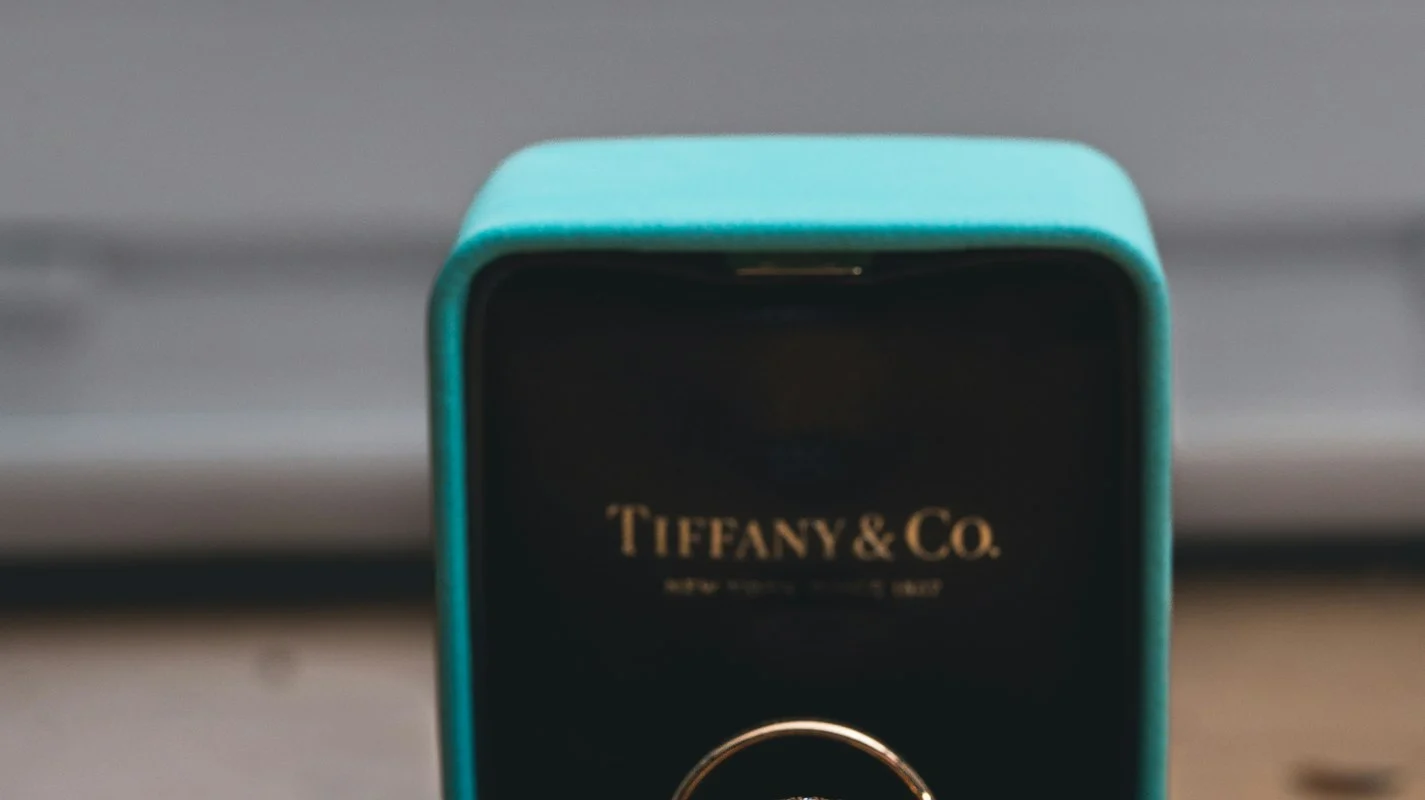
Tiffany entered the fight with a strong brand and a less comfortable operating context. Luxury demand was becoming more cyclical, tourism flows were wobbling, and the company’s store economics were highly sensitive to flagship traffic.
That is a different kind of weakness from an industrial overleveraged borrower. For premium retailers, vulnerability often begins with same-store sales, exposure to global travel, and the difficulty of sustaining momentum when aspirational demand softens.
Leadership transition also mattered. When a legacy brand is in the middle of strategic repositioning, the market tends to assign a discount to execution certainty. Buyers notice that gap immediately.
In practice, How Bernard Arnault Weaponized Tiffany and Co: The Tactical Execution of a Hostile Retail Acquisition took advantage of exactly that uncertainty. Tiffany’s stock price, governance posture, and capital allocation choices all created room for external pressure.
There was also the issue of capital structure. A retailer with large fixed costs, global lease obligations, and dependence on discretionary spending has less room to maneuver when a buyer insists on discipline.
When valuations drift lower and visibility weakens, the board loses some negotiating altitude. That is especially true when the counterparty has a stronger balance sheet and a long-term willingness to wait.
Forensic investors often miss this point. A luxury target can look resilient because the brand is prestigious. But prestige is not the same as negotiating strength. How Bernard Arnault Weaponized Tiffany and Co: The Tactical Execution of a Hostile Retail Acquisition proved that distinction in real time.
How Bernard Arnault Weaponized Tiffany and Co
The mechanics were as important as the headline. Arnault used timing, public signaling, and repricing leverage to shift the deal from a friendly premium transaction into a contest over who could absorb more pain.
The first weapon was delay. Once market conditions deteriorated, delay itself became an instrument. The longer the process dragged, the more pressure accumulated on Tiffany’s board and shareholders to preserve a premium before it eroded.
Then came the repricing dynamic. By challenging the original economics, LVMH forced the target to confront a narrowing spread between intrinsic value and deal certainty. That spread is where leverage lives.
In How Bernard Arnault Weaponized Tiffany and Co: The Tactical Execution of a Hostile Retail Acquisition, the psychology of the market mattered as much as the legal drafting. Traders priced in uncertainty. Journalists amplified tension. That feedback loop weakened the target’s stance.
Public statements were also tactical. In hostile or semi-hostile negotiations, selective commentary can condition expectations without formally breaching a contract. It is a disciplined form of pressure, not noise.
We have seen in other luxury disputes that ambiguity can be turned into leverage. When one side speaks with confidence and the other side must defend the process, the balance shifts long before a court is involved.
Litigation posture became part of the strategy too. Once legal arguments and deal protections enter the frame, both parties must assess not only probable outcomes but also the cost of escalation. That cost is often unevenly distributed.
The LVMH Playbook in Hostile Deals
LVMH rarely behaves like a panicked acquirer. It waits, studies, and keeps financing optionality alive until the target’s resistance becomes more expensive than compromise.
That is one reason the group is so effective in contested situations. Its hostile-deal posture is built less on bluster than on endurance, and on a willingness to convert patience into negotiating power.
In the Tiffany case, How Bernard Arnault Weaponized Tiffany and Co: The Tactical Execution of a Hostile Retail Acquisition reflected a familiar template. The playbook is not exotic, but it is precise.
- Patience: Wait for the target to absorb operational or market stress before tightening pressure.
- Selectivity: Release only the information that strengthens the buyer’s hand.
- Flexibility: Preserve financing and timing alternatives to keep the target guessing.
- Escalation: Escalate only when the target’s counteroffers lose credibility.
Compared with classic hostile bids in public markets, this approach is subtler. It is less about launching a blunt tender offer and more about shaping the environment in which consent becomes the rational exit.
That distinction matters in luxury conglomerates, where reputation can be as valuable as cash flow. A buyer that can threaten escalation without destroying the asset becomes unusually dangerous.
Boardroom Pressure and Legal Friction
The governance layer was where the deal became serious. Boards in contested transactions do not negotiate in a vacuum; they operate under fiduciary duties, merger agreement language, and the possibility of reputational damage if they appear inattentive.
Deal documentation becomes the battlefield. Termination fees, material adverse change clauses, covenants, and closing conditions can determine whether a board has real leverage or only symbolic resistance.
In this environment, legal friction is strategic, not decorative. Every interpretation dispute can be used to reopen economics, extend deadlines, or force the other side to justify its position in public.
How Bernard Arnault Weaponized Tiffany and Co: The Tactical Execution of a Hostile Retail Acquisition showed that hostile acquisition pressure often works because the contract architecture itself creates asymmetry. The stronger side can tolerate friction longer.
Regulators and advisers also shape the tempo. Antitrust review, disclosure obligations, and board minutes all create trails that can help or hurt each party depending on discipline and timing.
For that reason, the legal struggle is rarely about one dramatic confrontation. It is about accumulated leverage, paper by paper, clause by clause, until one side no longer sees a better alternative.
That is why high-end dealmaking often resembles litigation with a price tag. The strongest negotiator is usually the one who can afford to wait for the documentation to do the work.
The Financing Logic Behind the Deal
Balance sheet strength was not just a background fact. It was a weapon. LVMH could think in terms of liquidity, funding flexibility, and long-duration strategic ownership without worrying that a temporary setback would destabilize the buyer.
That matters because financing optionality changes bargaining behavior. A buyer with ample credit and cash can threaten delay, restructuring, or retrading more credibly than a target with limited maneuvering room.
In the final phase, the contrast between buyer and seller becomes stark. How Bernard Arnault Weaponized Tiffany and Co: The Tactical Execution of a Hostile Retail Acquisition was effective because the market understood that LVMH could absorb volatility better than Tiffany could.
The arithmetic was simple. A resilient buyer can afford to keep negotiating until the price, timing, and structure align. A more constrained target must defend certainty because it cannot easily recreate it elsewhere.
That is why financing can be coercive even without direct threats. The mere existence of capital flexibility changes the other side’s expectations and reduces its confidence in a prolonged standoff.
| Factor | LVMH | Tiffany |
|---|---|---|
| Liquidity | High | More constrained |
| Negotiation horizon | Long | Shorter |
| Deal flexibility | Broad | Narrower |
| Strategic pressure | Can intensify it | Must absorb it |
That table captures the core imbalance. The transaction was not only about valuation models; it was about who could sustain the negotiation structure longer without damaging their strategic posture.
What Tiffany Lost and Gained
Tiffany lost a measure of independence, and that is not a trivial cost. Once a legacy brand enters a larger luxury system, it trades some autonomy for operating support, capital depth, and broader distribution reach.
But the trade-off is more complicated than independence versus control. The company also gained access to a more powerful ecosystem, one capable of accelerating product positioning, store optimization, and global visibility.
From a shareholder perspective, the immediate outcome was economic certainty. From a governance perspective, the consequence was a transfer of control that narrowed Tiffany’s strategic discretion.
That is the post-mortem lens that matters. How Bernard Arnault Weaponized Tiffany and Co: The Tactical Execution of a Hostile Retail Acquisition was not merely a win for LVMH; it was a reallocation of decision rights inside a culturally important brand.
There is also integration risk. Once a target enters a larger platform, synergies and brand discipline must be managed carefully to avoid diluting what made the asset valuable in the first place.
Still, the upside for Tiffany was access to a luxury machine with scale, sourcing power, and operational expertise. In a fragmented premium market, that can be worth the surrender of some independence.
The Market’s New Warning
The Tiffany deal sent a clear signal to investors: cultural cachet is not a shield. Premium brands can still be pressured when valuation, governance, and timing line up against them.
That lesson extends beyond jewelry. It applies to any target whose identity is strong but whose negotiating position is weakened by cyclicality, shareholder impatience, or structural dependence on external capital.
How Bernard Arnault Weaponized Tiffany and Co: The Tactical Execution of a Hostile Retail Acquisition showed how modern control contests are won: by mastering perception, documentation, and financing at the same time.
“In luxury M&A, prestige can attract a premium, but it does not guarantee bargaining power; leverage belongs to the side that can wait longest.” — Evelyn Hart, senior M&A strategist and former luxury-sector adviser
If you want to understand modern strategic scaling, study this deal closely. It is a blueprint for how powerful buyers convert patience into control and turn a branded asset into a negotiated outcome.
Follow the money, track the clauses, and watch the timing. That is where the real story lives.
When Prestige Meets Pressure
How Bernard Arnault Weaponized Tiffany and Co: The Tactical Execution of a Hostile Retail Acquisition is ultimately a case study in power, not jewelry. The winner was the side that understood how to combine time, liquidity, and legal structure into one negotiating machine.
For investors and dealmakers, the message is blunt: in cross-border luxury M&A, reputation matters, but leverage decides. Study the pressure points, and you will see how quickly a celebrated brand can become a negotiated asset.
Frequently Asked Questions about How Bernard Arnault Weaponized Tiffany and Co: The Tactical Execution of a Hostile Retail Acquisition
What made Tiffany an attractive strategic target for LVMH?
Tiffany combined iconic U.S. brand equity with global luxury relevance, making it more than a jewelry retailer. For LVMH, the appeal was the ability to add pricing power, distribution reach, and cultural prestige to an already dominant luxury portfolio.
How did Bernard Arnault use market conditions to pressure Tiffany?
Arnault benefited from Tiffany’s weak traffic, leadership transition, and sensitivity to softer luxury demand. These factors created uncertainty around future performance, which reduced bargaining leverage and made the company more vulnerable to a disciplined, patient buyer.
How Bernard Arnault Weaponized Tiffany and Co: The Tactical Execution of a Hostile Retail Acquisition differs from a normal luxury acquisition?
This case was not simply about buying a brand at a fair premium. It involved using timing, liquidity pressure, and strategic patience to outlast the target, turning the acquisition into a control battle over valuation, governance, and brand direction.
What are the main benefits LVMH gained from acquiring Tiffany?
LVMH gained access to a heritage brand with strong consumer recognition, greater North American exposure, and room for operational optimization. The acquisition also expanded the group’s ability to shape luxury demand through cross-brand ecosystem control and retail leverage.
Is the idea that Tiffany was permanently weak a myth?
Yes, that is a common misconception. Tiffany was not structurally broken; it was strategically exposed. The brand remained valuable, but market cycles, tourism dependence, and leadership churn created a valuation gap that a sophisticated acquirer could exploit.