International Inflation: Alarm or Economic Normalcy?
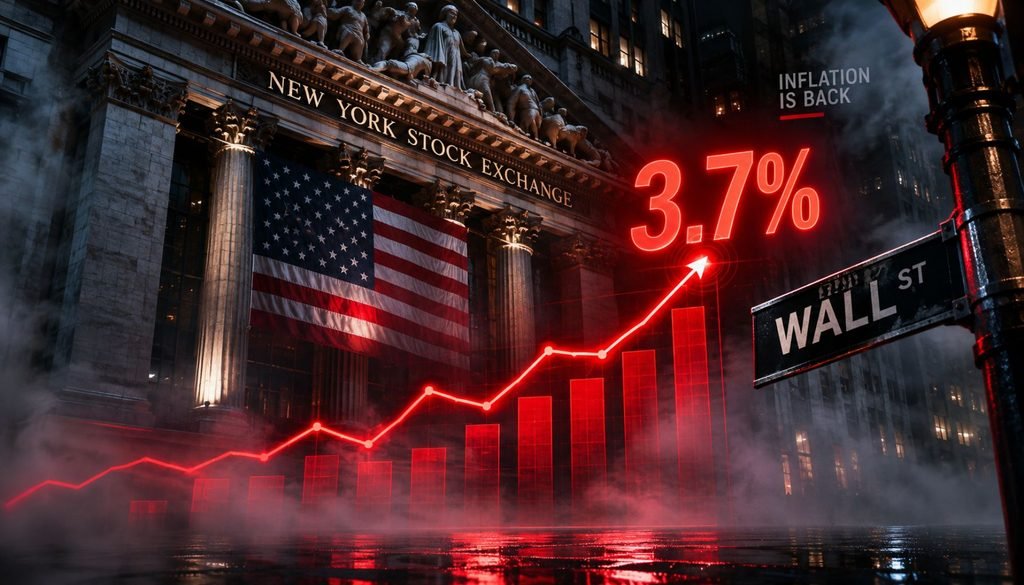
INFLATION IS BACK. Inflation is an omnipresent topic in economic discussions and frequently evokes concerns among both experts and ordinary citizens.
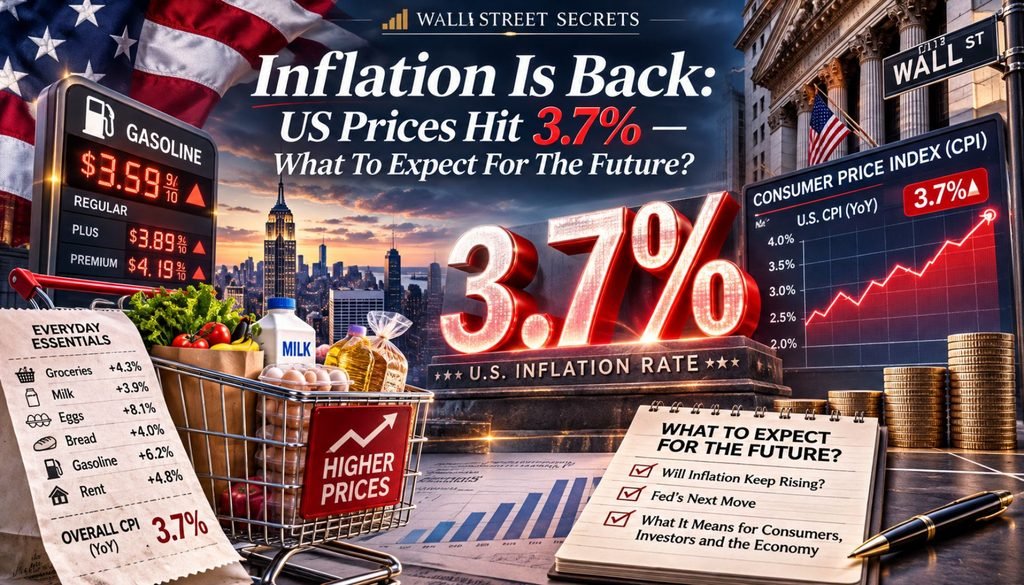
Recently, the consumer price index in the United States rose to 3.7%, a level that reignites debates about the future of the global economy.
But what does this number really mean, and what are its implications in this uncertain scenario?
Understand the Current Scenario
The rise of inflation in the United States can be attributed to a variety of factors that have prompted economists to reassess forecasts and strategies. The following table presents an overview of the elements that make up the current inflationary landscape:
| Factor | Influence | Commentary |
|---|---|---|
| Energy Costs | High | Significant impact on overall prices. |
| Product Demand | Moderate | Increased post-pandemic consumption. |
| Supply Chain Disruptions | High | Continues to affect product availability. |
| Monetary Policy | Variable | Interest rate decisions remain uncertain. |
The data above illustrates the complexities faced by policymakers as they attempt to balance economic growth with price stability.
The Role of Monetary Policy
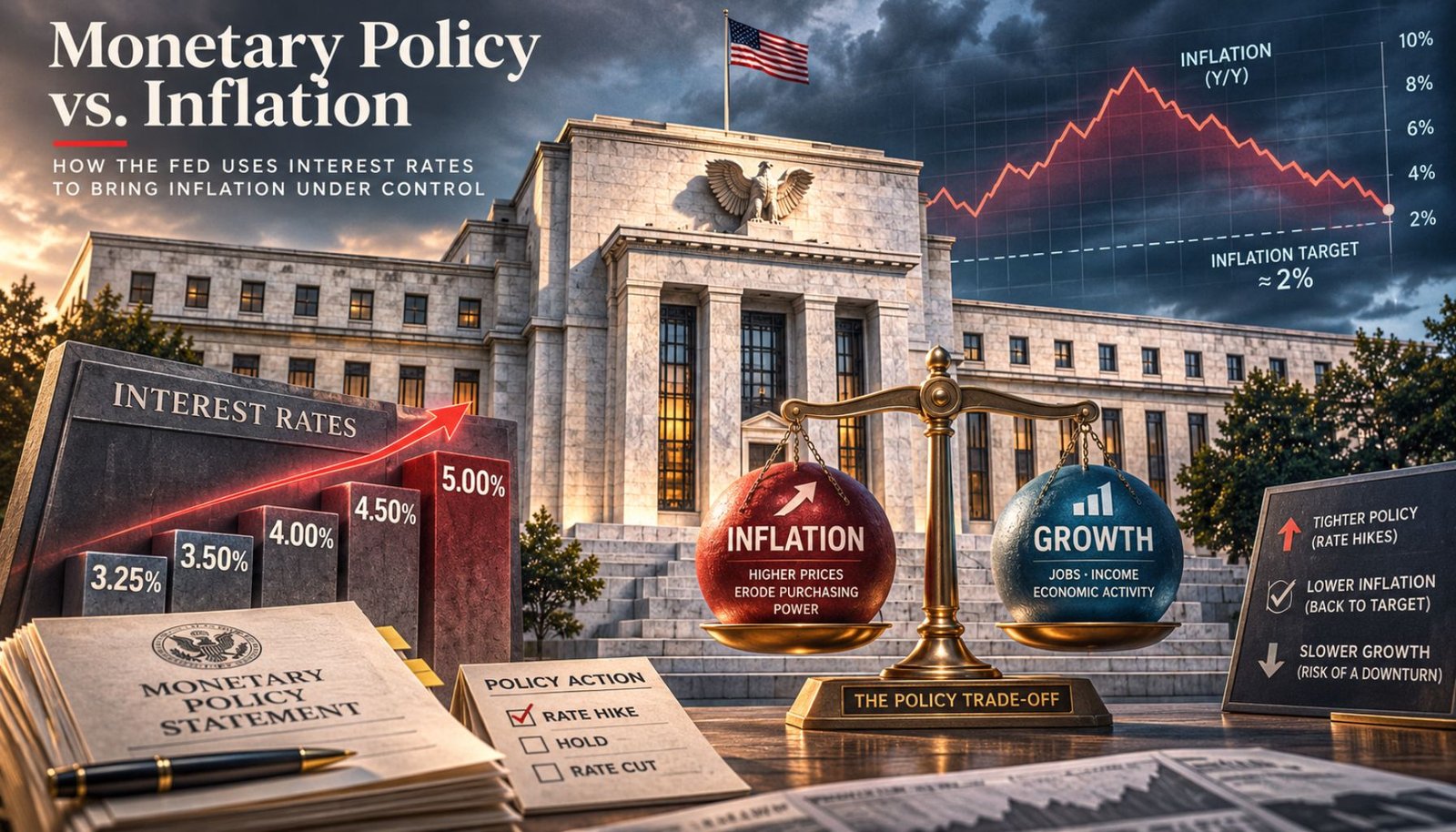
In recent decades, central banks have played a crucial role in managing inflation. Monetary control tools, such as adjustments to interest rates and regulations on the money supply, are fundamental to stabilizing the economy.
When inflation threatens to spiral out of control, raising interest rates becomes one of the most common measures. However, such action must be carefully weighed, as impacts on other sectors, like the credit market and economic growth, must also be considered.
“Persistent inflation is more than just a simple increase in prices; it is a challenge to economic stability that demands a coordinated and effective response.” – Economic Analysts
The Influence of Energy Costs
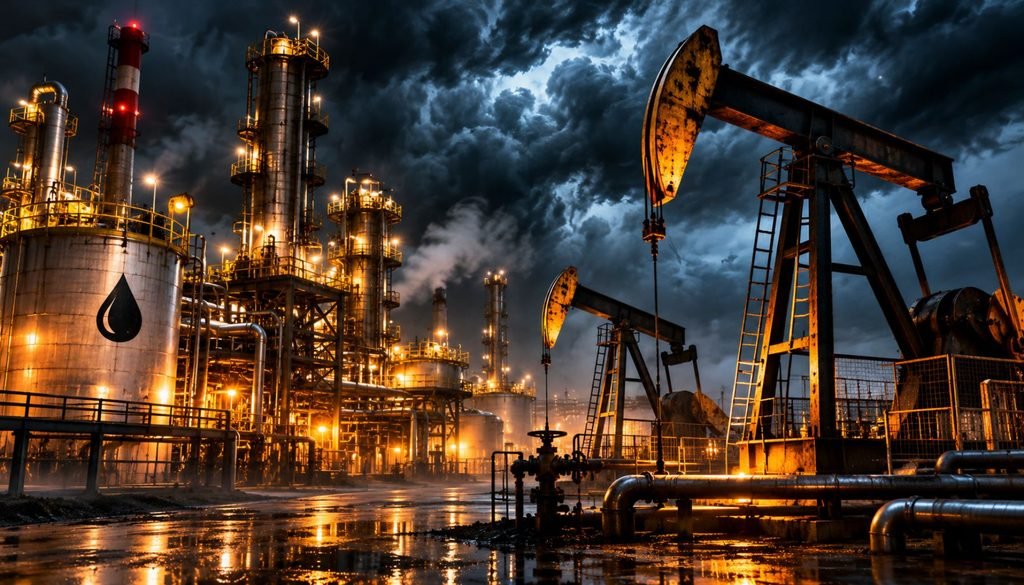
Energy costs, especially oil and gas, have been a significant catalyst in the recent inflationary spike. With global energy demand growing, coupled with geopolitical tensions impacting supply, the prices of these fundamental commodities have skyrocketed.
This inflation in energy costs has a ripple effect on other consumer prices, from food to manufactured goods, complicating the task of stabilizing prices further.
Impacts on Consumption and Supply
When prices rise, household purchasing power is directly affected, particularly among the less privileged segments of the population. Furthermore, ongoing disruptions in the global supply chain have exacerbated the effects of inflation, as product shortages lead to higher prices.
These dynamics, if left unchecked, could trigger a series of undesirable reactions, including a potential stagnation of economic growth.
The Investors’ Perspective
Inflation and its repercussions have direct implications for financial markets. Investors are constantly evaluating expected yields against the rate of inflation. In periods of high inflation, assets that offer protection against inflation, such as real estate and commodities, tend to appreciate.
However, increased volatility can result in uncertainties that affect long-term investment decisions.
Fiscal Measures and Expectations
Governments also play their part in controlling inflation, primarily through fiscal policy. Stimulus programs or tax cuts can inject more money into the economy, but they must be carefully balanced so as not to exacerbate price pressures.
Fiscal expectation is a key component in the inflationary equation, as it can influence market and consumer expectations regarding the future trajectory of inflation.
Global Considerations
Inflation is not an isolated phenomenon within a single nation; it has global repercussions and interconnections. Today’s interconnected economies mean that a rising inflation rate in the United States can have spillover effects on the global economy, affecting everything from exchange rates to the trade policies of various countries.
Thus, international cooperation becomes essential to mitigating the risks associated with globalized inflation.
INFLATION IS BACK Focus on the Labor Market
The labor market also plays a critical role in inflationary dynamics. Rising wages can increase purchasing power, but they can also contribute to a vicious cycle of inflation if production costs are not kept under control.
Monitoring employment trends helps better understand inflationary pressures and formulate strategies to balance the interests of both workers and employers.
Future Options: The Post-Increase Landscape
With the current rate at 3.7%, several scenarios are possible for the future of economic policy in the United States and beyond. Among the options for policymakers are:
- Further interest rate hikes to curb inflation.
- Implementation of tighter fiscal policies to restrain government spending.
- Investments in infrastructure to reduce long-term production costs.
- Incentives for technological innovation to increase resource efficiency.
Each of these options brings its own challenges and opportunities, requiring a careful analysis of the benefits and risks involved.
What does an inflation rate of 3.7% mean?
An inflation rate of 3.7% indicates an average increase of 3.7% in the prices of goods and services compared to the same period in the previous year.
How does inflation affect household purchasing power?
When inflation is high, prices rise, decreasing household purchasing power because money becomes worth less in terms of the goods and services that can be acquired.
What are the primary tools central banks use to control inflation?
Central banks generally utilize interest rate adjustments and control over the money supply as their main methods for managing inflation.
How can US inflation affect international markets like Brazil?
US inflation can affect international markets through global trade, influencing foreign exchange rates, export dynamics, and foreign investment decisions.
Which sectors tend to benefit from inflation?
Sectors such as real estate and commodities can appreciate during periods of high inflation, as they are seen as hedges against currency devaluation.
Conclusion
Inflation in the United States, marked by the recent increase to 3.7%, represents a multifaceted challenge that requires coordinated and strategic action from economic and political leaders.
With a combination of effective monetary and fiscal policies, a close eye on global dynamics, and a balanced approach between growth and stability, the United States, along with the global economy, can find a path to sustainable inflation.
In times of uncertainty, resilience and adaptability become the best allies for facing the economic challenges of the future.
Explore how 3.7% inflation in the US is shaping the global economy, its impacts, and potential solutions to stabilize prices in an uncertain landscape.
LEARN MORE…How to Master Budgeting, Saving, Investing & Build Real Wealth
READ ALSO…How to Create a Realistic Monthly Budget and Stick to It
FOLLOW OUR YOUTUBE CHANNEL…Wall Street Secrets