
Lehman Brothers Repo 105 accounting was not a trading story so much as a reporting story. It showed how a global bank could make its financial statements look lighter at quarter-end while the underlying risk stayed in place.
By the time of the 2008 bankruptcy, the numbers had become part of the narrative. The question was never just what Lehman owned, but how it chose to classify those holdings when the market was watching most closely.
What Repo 105 Really Was
Repo 105 was structured as a short-term financing trade, but Lehman treated certain deals as sales instead of borrowings. That distinction mattered because sales removed assets and liabilities from the balance sheet, at least temporarily.
In practice, Lehman Brothers Repo 105 accounting created the appearance of a slimmer firm at reporting dates. The economic exposure did not disappear; only the presentation changed.
The mechanics were simple enough to follow, even if the implications were not. Securities were transferred out, cash came in, and then the positions were brought back later. On paper, that could reduce gross assets and improve leverage optics.
We see the same basic pattern in many large-bank stress stories: the market reacts to the frame, not just the facts. Here, the frame was built through classification, timing, and disclosure choices around Repo 105 transactions.
Why the Balance Sheet Mattered
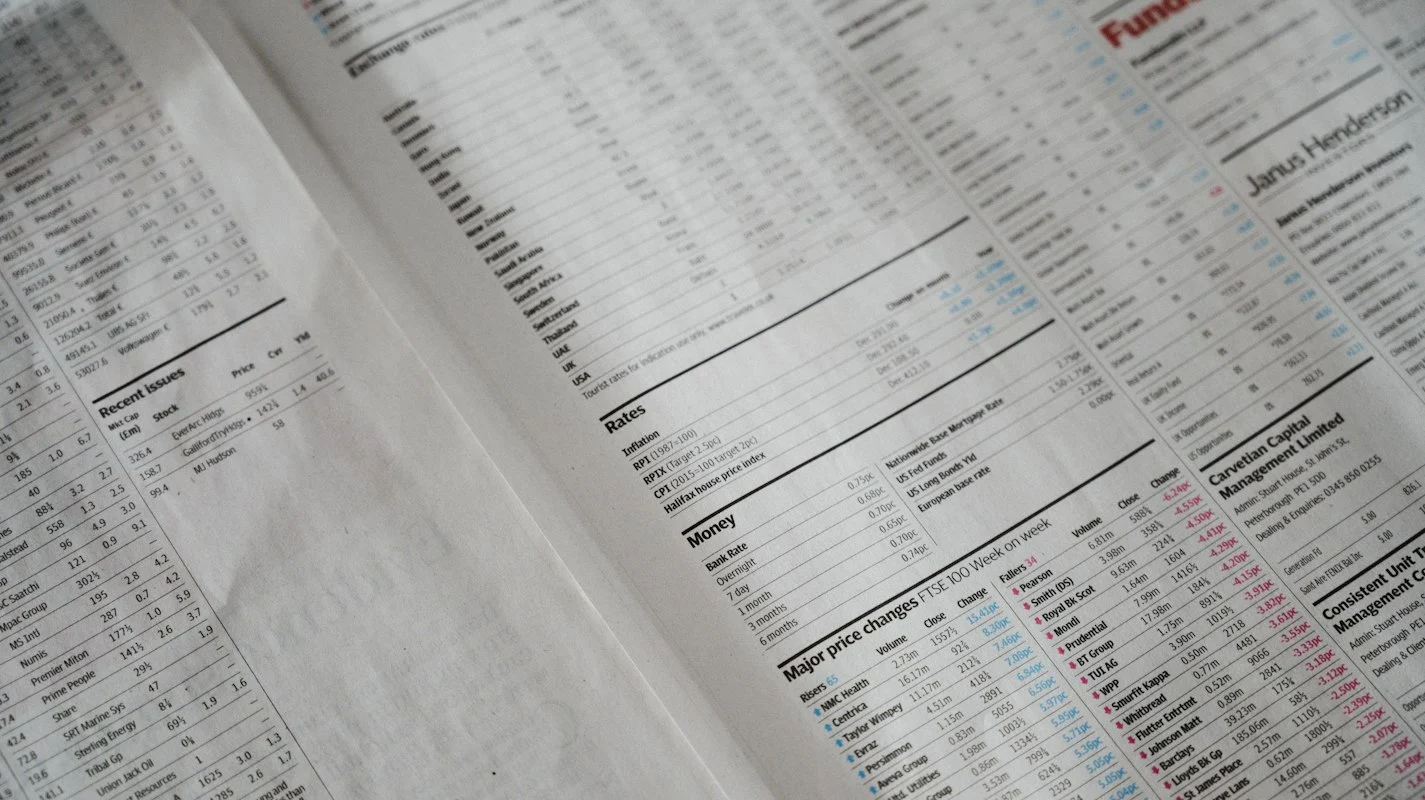
In the years before the crisis, investment banks lived under constant pressure to project stability. Funding desks, counterparties, and ratings-sensitive lenders watched leverage ratios almost as closely as earnings.
That is why balance sheet size was never just an accounting number. It influenced trust, funding access, and how much room a firm had in the eyes of repo lenders and prime brokers. Lehman Brothers Repo 105 accounting fit that environment exactly.
A bank carrying huge inventories of securities and short-term liabilities could look fragile even when it was still operating. Management teams knew that optics could affect liquidity, and liquidity could determine survival.
In our reading of the period, the pressure was structural rather than theatrical. Firms were rewarded for looking disciplined, even when their business model depended on fragile, fast-moving funding channels. That made the reported size of the balance sheet especially sensitive.
The market never sees a balance sheet in isolation. It sees a signal. And during that era, the signal from financial statements had to reassure investors who were already nervous about leverage, maturity mismatch, and the speed of capital flight.
How Lehman Used Repo 105
Lehman timed the transfers around quarter-end and other reporting windows. The positions left the balance sheet briefly, the firm reported lower assets and liabilities, and then the trades reversed after the snapshot passed.
Lehman Brothers Repo 105 accounting therefore changed the public picture without changing the firm’s underlying dependence on wholesale funding. The risk remained; only the timing of its visibility changed.
This was not an isolated clerical choice. It required coordination among treasury, accounting, and senior finance leadership. That institutional support is what made the maneuver possible and durable.
Observed from the outside, the effect was subtle. Inside the firm, it could feel operationally normal because the same positions eventually came back onto the books. Yet the reporting date was where the public story was written.
That is the key point. A temporary reduction in reported leverage can calm external scrutiny, but it cannot repair funding fragility. In the lead-up to the crisis, Repo 105 transactions served presentation more than substance.
- Quarter-end timing: Positions were moved off the books when reporting pressure was highest.
- Temporary balance sheet relief: Reported assets and liabilities fell for the snapshot date.
- Post-report reversal: The positions returned after the disclosure window closed.
The Role of Accounting Rules

The controversial part was not that accounting rules existed. It was that the legal form of the transaction could be used to support a sale treatment, even when the economic substance looked more like financing.
Lehman Brothers Repo 105 accounting sits right on that fault line. When reporting standards lean heavily on classification, the boundary between compliant disclosure and aggressive presentation can become dangerously wide.
“Accounting must reflect economic substance, not just legal packaging.” — Susan Heller, former banking analyst and forensic accounting consultant
That principle sounds simple, but in structured finance it is difficult to enforce in real time. Auditors and preparers may focus on whether documentation supports the chosen treatment, while the market cares about the economic reality underneath.
Legal form versus economic substance is one of the oldest tensions in reporting. In this case, that tension became more than technical. It shaped how the firm’s financial statements told the story of leverage, funding, and resilience.
For a bank of Lehman’s size, the difference between sale and financing was not cosmetic. It determined whether debt-like exposure stayed visible on the balance sheet or vanished from the reporting date.
Warnings From Inside the Firm
Internal concern did exist. Professionals inside and around the firm recognized that the strategy could give outsiders a misleading picture of liquidity and leverage.
Lehman Brothers Repo 105 accounting did not become controversial because nobody noticed. It became controversial because some people did notice, and the internal friction did not stop the practice.
That tension is familiar in high-pressure institutions. Risk teams often push for caution, while finance executives are judged on optics, confidence, and short-term execution. When survival feels immediate, warning signs can sound inconvenient.
We have seen in many corporate failures that internal objections weaken when reputation and quarterly targets dominate the room. A maneuver that is framed as temporary and technical can be rationalized as necessary.
The deeper problem is organizational. Once a practice supports the preferred narrative, it becomes harder to challenge. The result is not always a dramatic cover-up; sometimes it is a slow normalization of aggressive judgment.
Inside that kind of culture, the line between prudent reporting and managed appearance gets blurred. The market never sees the debates in the room, only the polished version released afterward.
What Regulators and Auditors Missed
Oversight failed in a quieter way than many people expect. The issue was not that regulators lacked basic rules; it was that a sophisticated institution could still exploit reporting classifications without immediate intervention.
Lehman Brothers Repo 105 accounting exposed a gap between formal review and real economic exposure. A supervisor can examine documents and still miss the way a system is being used at scale.
Auditors also face limits. They rely on evidence, policy language, and accepted accounting treatment, while the business itself may be engineered to move risk around reporting dates. That makes detection harder than a simple checklist model suggests.
The broader lesson is about complexity. Large banks do not fail in plain sight. Their balance sheets are dense, their funding chains are layered, and their disclosures often depend on specialized classifications that outsiders can read only partly.
When we look at the oversight environment around the crisis, the problem is not a single missed memo. It is the space between supervision, documentation, and the actual economics of short-term funding.
That gap mattered because the firm was not merely misstating numbers in a trivial way. It was presenting a cleaner version of itself while the pressure underneath kept building.
How Repo 105 Fit the Collapse
The maneuver did not cause the crisis by itself. It fit into a broader liquidity failure that was already unfolding. When markets turned, reducing reported leverage at the margin could not cure a balance sheet built on unstable funding.
Lehman Brothers Repo 105 accounting made the firm look better at the edge of reporting, but it did not restore access to durable financing. The market’s confidence problem was structural, not cosmetic.
A firm can survive a temporary optics problem if its underlying franchise is strong. Lehman’s problem was the opposite: the presentation may have softened the appearance of stress, but the stress remained real and acute.
That is why the accounting story belongs inside the collapse story, not beside it. It helped delay recognition, shape perceptions, and preserve the illusion of control, but it could not solve solvency pressure.
In the months before the 2008 bankruptcy, every layer of leverage mattered. A small reduction in reported assets may have improved the headline, yet the market was already questioning the firm’s ability to fund itself day after day.
The result was a dangerous mismatch between image and reality. When the funding environment tightened, the difference between reported balance sheet and economic dependence became impossible to ignore.
The Legacy for Wall Street
Lehman Brothers Repo 105 accounting still matters because it shows how presentation can reshape perception without reducing risk. That lesson has stayed alive in boardrooms, law firms, and regulatory debates ever since.
For investors and market observers, the case remains a reference point for leverage, transparency, and disclosure discipline. It is a reminder that a clean snapshot can hide a stressed structure underneath.
That is why this story never really fades. Wall Street keeps returning to the same temptation: use structure to manage appearance, then trust that the market will not look too closely. The record of Lehman says otherwise.
If you want more of these deep financial breakdowns, explore AI-Driven Compliance Exposure Risks in Fortune 500 Boardrooms and see how modern firms still wrestle with disclosure pressure, classification risk, and the thin line between compliance and optics.
Frequently Asked Questions about Lehman Brothers Repo 105 accounting
What was Lehman Brothers Repo 105 accounting, and why did it matter?
Lehman Brothers Repo 105 accounting was a way of treating certain short-term financing transactions as sales rather than borrowings. That classification temporarily removed assets and liabilities from the balance sheet, making Lehman appear less leveraged at reporting dates while the economic risk remained.
How did Lehman use Repo 105 transactions around quarter-end reporting?
Lehman timed Repo 105 transfers near quarter-end so assets would briefly leave the balance sheet during the reporting snapshot. The positions were then reversed afterward, allowing the firm to report a smaller balance sheet and lower leverage without permanently changing its exposure.
What was the main benefit of Repo 105 from Lehman’s perspective?
The main benefit was presentation, not risk reduction. Repo 105 helped Lehman show lower gross assets and liabilities, which could improve leverage optics, support market confidence, and reduce pressure from counterparties, lenders, and ratings-sensitive observers watching the firm’s reported size.
How was Repo 105 different from a normal repo transaction?
In a standard repo, the transaction is usually treated as secured borrowing, with the securities still effectively tied to the financing. Lehman’s Repo 105 treatment classified some deals as sales, which changed the accounting presentation and removed the positions from the balance sheet temporarily.
What is the biggest myth about Lehman Brothers Repo 105 accounting?
The biggest myth is that Repo 105 reduced Lehman’s real financial risk. It did not eliminate the underlying exposure or funding dependence; it mainly altered how the balance sheet looked at a specific moment, which is why the episode is remembered as a reporting story.