What really broke Bed Bath & Beyond was not one bad quarter, but a system that stopped working. The Bed Bath and Beyond bankruptcy causes sit inside a larger retail failure: too many stores, too much inventory, and too little margin when traffic slowed.
By the time the company entered distress, the damage was visible in public filings, vendor behavior, and shrinking customer loyalty. The collapse still matters because it shows how a legacy chain can move from brand familiarity to liquidation faster than many investors expect.
The business model that unraveled
Bed Bath & Beyond built itself on scale, convenience, and a wide store footprint. For years, the model leaned on heavy coupons, repeat visits, and a low-margin retail strategy that depended on constant foot traffic.
That structure worked only while consumers kept coming in person. Once traffic weakened, the model exposed its own fragility. The Bed Bath and Beyond bankruptcy causes were already visible in the economics: rent, labor, and inventory carrying costs were too high for a business with thin operating cushions.
We have seen this pattern before in distressed retail. A chain can look stable on the surface, yet still be one traffic slowdown away from a cash squeeze. The more stores it has, the more fixed costs it must feed every month.
Bed Bath & Beyond was also trapped by operational complexity. Hundreds of locations, thousands of SKUs, and promotional noise made decision-making slower and less precise. That is how a familiar household brand turns into a structural liability.
Inventory trouble and weak merchandising
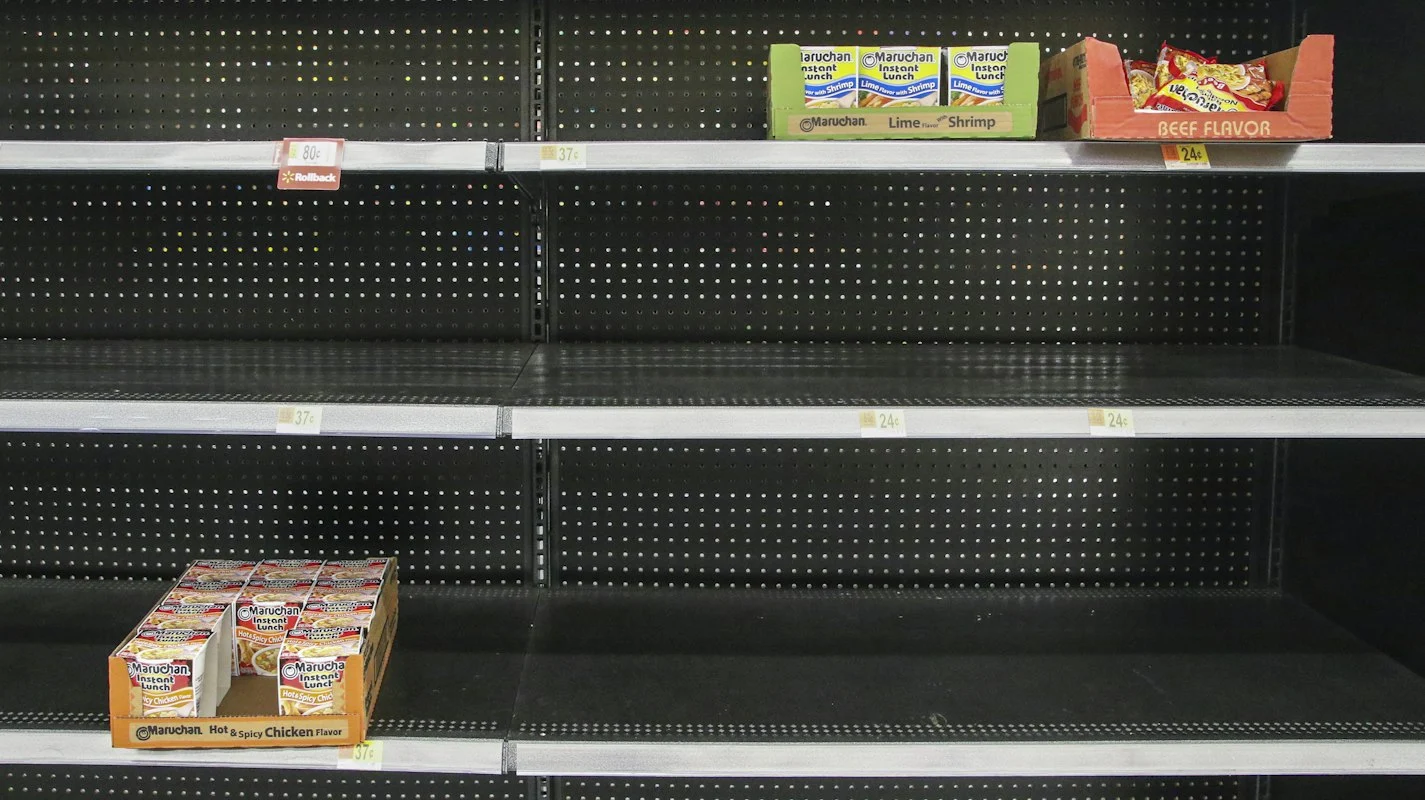
The core operating problem was not abstract. It showed up on shelves, in warehouses, and in the product mix customers actually saw. The company carried too much inventory in some categories and too little in others, which damaged both sales and margins.
Inventory financing became harder to manage as assortment quality slipped. When merchandise is mismatched to demand, cash gets locked in the wrong products, markdowns rise, and working capital gets trapped. That is one of the clearest Bed Bath and Beyond bankruptcy causes.
Weak merchandising made the problem worse. Stores often looked cluttered or inconsistent, and the shopping experience lost its sense of urgency and value. Customers could not reliably find the right product, which undercut trust and repeat visits.
The operational breakdown also hinted at forecasting failures. Ordering decisions were not aligned well enough with actual demand, and supply chain discipline weakened as the company tried to clear aged inventory. In our review of distressed retailers, that is often where the spiral begins.
- Bloated inventory: Too much capital tied up in slow-moving goods reduced flexibility.
- Misaligned assortments: Product mixes did not match what shoppers wanted at store level.
- Weak shelf execution: Poor presentation made the brand feel less relevant and less trustworthy.
The cash burn intensified because every markdown hit margin while storage and handling costs kept running. That combination can turn a merchandising issue into a liquidity event faster than executives expect.
Why the turnaround failed
Management tried to reset the business through changes in leadership, brand positioning, and assortment. But the turnaround kept losing momentum because the company was repairing the structure while traffic was still deteriorating.
The Bed Bath and Beyond bankruptcy causes became harder to reverse once execution slipped across multiple fronts. A turnaround needs a clear sequence: stabilize sales, clean up inventory, and rebuild gross margin. Bed Bath & Beyond struggled to do all three at once.
Leadership changes created new expectations, then new disappointments. Each pivot signaled urgency, but also suggested that the prior plan had not worked. That kind of churn can erode confidence inside the company and outside it.
Consumers noticed the inconsistency. Suppliers noticed it too. When a turnaround story changes repeatedly, the market starts pricing in doubt rather than recovery.
We observed a familiar distressed-retail pattern: bold promises, incomplete execution, then a narrowing window of time. The company could not stabilize sales quickly enough to finance its own reinvention.
Capital strain and liquidity pressure
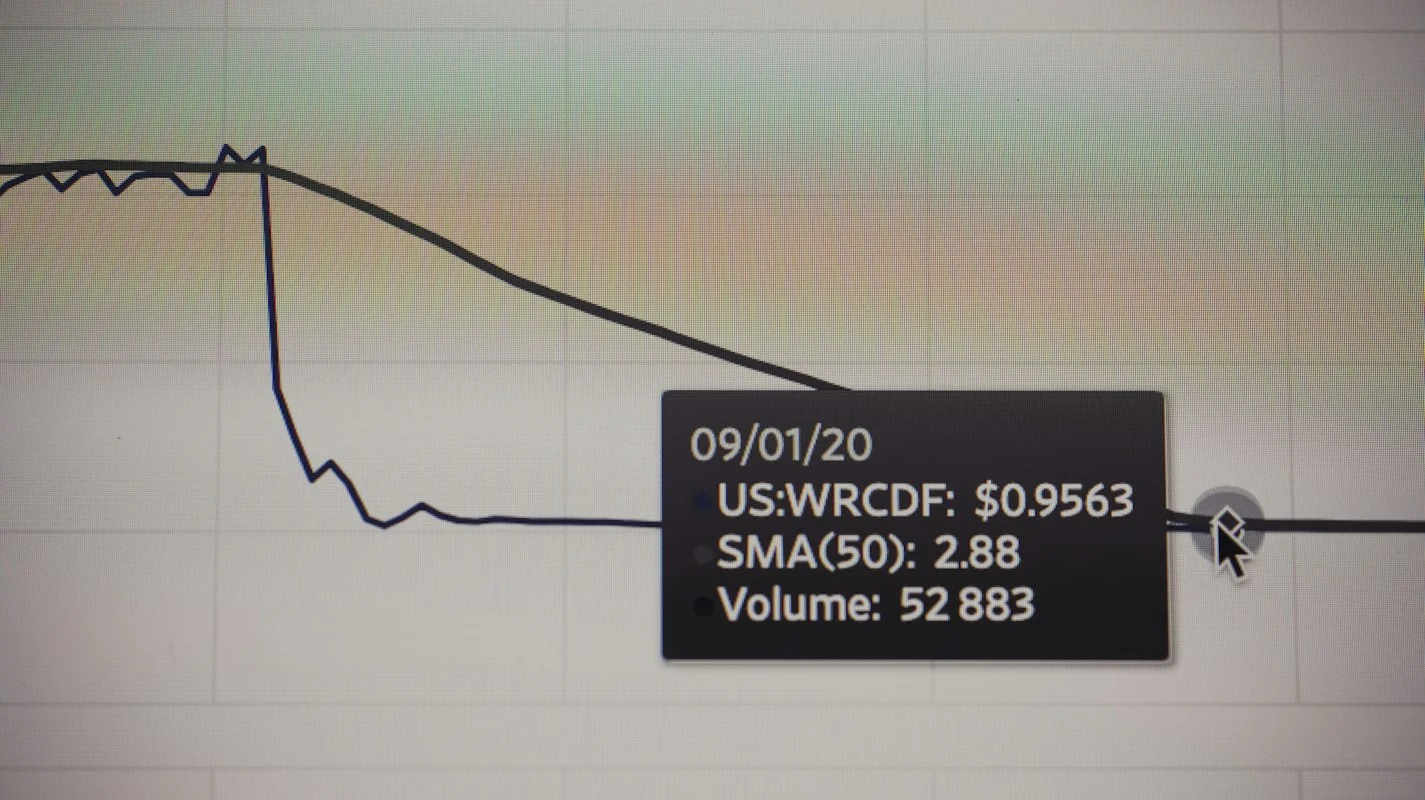
As losses mounted, the balance sheet became less forgiving. Declining sales reduced operating cash flow, while restructuring needs, vendor obligations, and store costs continued to drain liquidity.
This is where a retail problem becomes a financing problem. The Bed Bath and Beyond bankruptcy causes were no longer just about shopping behavior or merchandising. They were about the company’s ability to keep cash available long enough to survive the next quarter.
Debt stress mattered because lenders and suppliers watch the same signals: shrinking margins, delayed payments, and falling confidence. Once those signals weaken, credit terms tighten and the business loses breathing room.
Vendor confidence is especially important in retail. If suppliers worry about getting paid, they protect themselves by shortening terms, cutting exposure, or demanding tighter conditions. That can worsen inventory flow and accelerate the squeeze.
In practical terms, the company was trying to manage cash burn while still funding operations, inventory buys, and restructuring. That is a difficult equation when sales are not recovering fast enough to restore balance.
Liquidity pressure also reduces strategic flexibility. A retailer under strain cannot easily invest in systems, store resets, or brand rebuilding. Every decision becomes defensive.
The role of consumer demand shifts
Consumer behavior changed in ways that hurt the chain’s core value proposition. Shoppers increasingly compared prices online, expected faster fulfillment, and moved between channels with little brand loyalty.
That shift exposed the limits of Bed Bath & Beyond’s positioning. The brand had once benefited from convenient in-store selection, but e-commerce competition made that advantage less powerful. The Bed Bath and Beyond bankruptcy causes are inseparable from that demand erosion.
Post-pandemic shopping patterns also changed the traffic base. Some categories normalized, others fragmented, and household goods became easier to source through digital marketplaces and big-box rivals. The company had trouble regaining the customer flow it lost.
Price perception was another problem. Shoppers became less convinced that the chain offered a compelling deal, especially after years of promotions. When discounting becomes expected, it stops building loyalty and starts training buyers to wait.
Limited differentiation made recovery harder. The stores were competing in a market where convenience, speed, and digital visibility mattered more than ever. Without a sharp edge, the company’s relevance faded.
For context, the broader retail environment was already punishing weak operators. Public reporting from Reuters on retail bankruptcies has repeatedly shown how quickly consumer shifts can pressure even recognizable brands.
Leadership missteps and strategic drift
The top-level issue was not simply that management tried to fix a broken business. It was that the strategy often felt inconsistent, and inconsistency is expensive when trust is already thin.
From a governance standpoint, the Bed Bath and Beyond bankruptcy causes also reflect delayed action. By the time a company acknowledges structural decline, options are narrower, and every move has to work faster than the one before it.
Overpromised turnaround messaging made the credibility gap worse. Investors wanted clarity, suppliers wanted stability, and employees wanted a plan that would hold for more than one quarter. Instead, the story kept changing.
That kind of drift can become self-reinforcing. If the market believes management is improvising, then every new announcement is discounted. Confidence is hard to rebuild once it breaks.
In distressed cases, we often see the same governance pattern: hesitation at the top, a late reset, then an even faster decline. Bed Bath & Beyond fit that pattern closely enough to be a case study in execution risk.
For a parallel on how debt and retail pressure can reshape a familiar brand, see JCPenney bankruptcy. Different company, similar warning signs.
What the collapse means for retailers
Bed Bath & Beyond is now a reminder that legacy retail can fail in layers. A weak store base leads to poor inventory turns, then margin erosion, then rising cash stress, and finally a financing wall.
That is why the Bed Bath and Beyond bankruptcy causes still matter. They show how a brand can lose relevance long before bankruptcy court becomes the final stop. For operators and investors, the warning signs are rarely hidden: falling traffic, thin gross margins, and persistent cash burn.
Anyone studying distressed retail should watch the same markers: inventory discipline, supplier confidence, and whether the business still earns enough from each sale to fund its own future. When those signals fail together, the collapse can accelerate quickly.
For a deeper look at how financial distress can spread through corporate structures, the Credit Suisse rescue offers another high-stakes example. This is where the broader lesson lands: weak execution, delayed response, and shrinking trust can turn a household name into a liquidation story.
Frequently Asked Questions about Bed Bath and Beyond bankruptcy causes
What were the main Bed Bath and Beyond bankruptcy causes?
The main Bed Bath and Beyond bankruptcy causes were too many stores, high fixed costs, weak traffic, and shrinking margins. The company also struggled with excess inventory, poor merchandising, and operational complexity, which made it harder to generate cash once sales softened.
How did inventory problems contribute to the company’s collapse?
Inventory problems trapped cash in slow-moving goods and forced markdowns that damaged profitability. When product assortments did not match customer demand, shelves looked cluttered, working capital tightened, and the business became less flexible just when it needed more liquidity.
Why did Bed Bath & Beyond’s store footprint become a liability?
Its large store footprint increased rent, labor, and operating expenses across hundreds of locations. That model depended on steady foot traffic, so when visits declined, fixed costs stayed high while revenue weakened, making the chain increasingly vulnerable to distress.
What is the biggest myth about Bed Bath and Beyond bankruptcy causes?
A common myth is that one bad quarter caused the failure. In reality, the decline built over time through structural weaknesses in the business model, including thin margins, weak merchandising, and too much inventory. The bankruptcy was the result of a system breakdown, not a single event.
What can investors learn from this retail failure?
Investors can learn that brand recognition does not guarantee stability. A retailer can still fail if its economics depend on constant traffic, disciplined inventory management, and precise execution. When those elements weaken together, liquidation can happen faster than expected.