
Was Adobe’s Adobe subscription business transition really about convenience, or about rewriting Wall Street’s expectations for software economics? The answer sits in the numbers: recurring billing, lower piracy exposure, and a more defensible revenue base. For investors, the move changed how the company was valued.
What looked risky in the short term became a template for recurring revenue discipline. Adobe traded lumpy license sales for a steadier cash engine, while customers were pulled deeper into Creative Cloud workflows. That shift also improved visibility into software margins.
Why Adobe abandoned licenses
The old perpetual-license model had begun to fray. Software buyers were stretching upgrade cycles, piracy remained a structural leak, and revenue became increasingly dependent on release timing rather than product usage. The Adobe subscription business transition was designed to answer all three problems at once.
There was also a market reality that Adobe could not ignore. Cloud delivery was becoming the default distribution layer for enterprise software, and investors were rewarding predictability over episodic sales spikes. In our tests of software valuation regimes, companies with recurring billing usually earned richer multiples because the cash flow profile was easier to underwrite.
The defensive logic mattered, but so did the offensive one. By forcing customers into ongoing relationships, Adobe improved customer lifetime value, reduced revenue volatility, and made each account more economically durable. The Adobe subscription business transition was therefore not just a pricing change; it was a capital allocation decision.
For context on recurring billing mechanics, see the SEC’s discussion of how companies disclose subscription trends in SEC filings. That framework helps explain why Wall Street treats recurring models differently from one-time sales.
The economics of recurring revenue
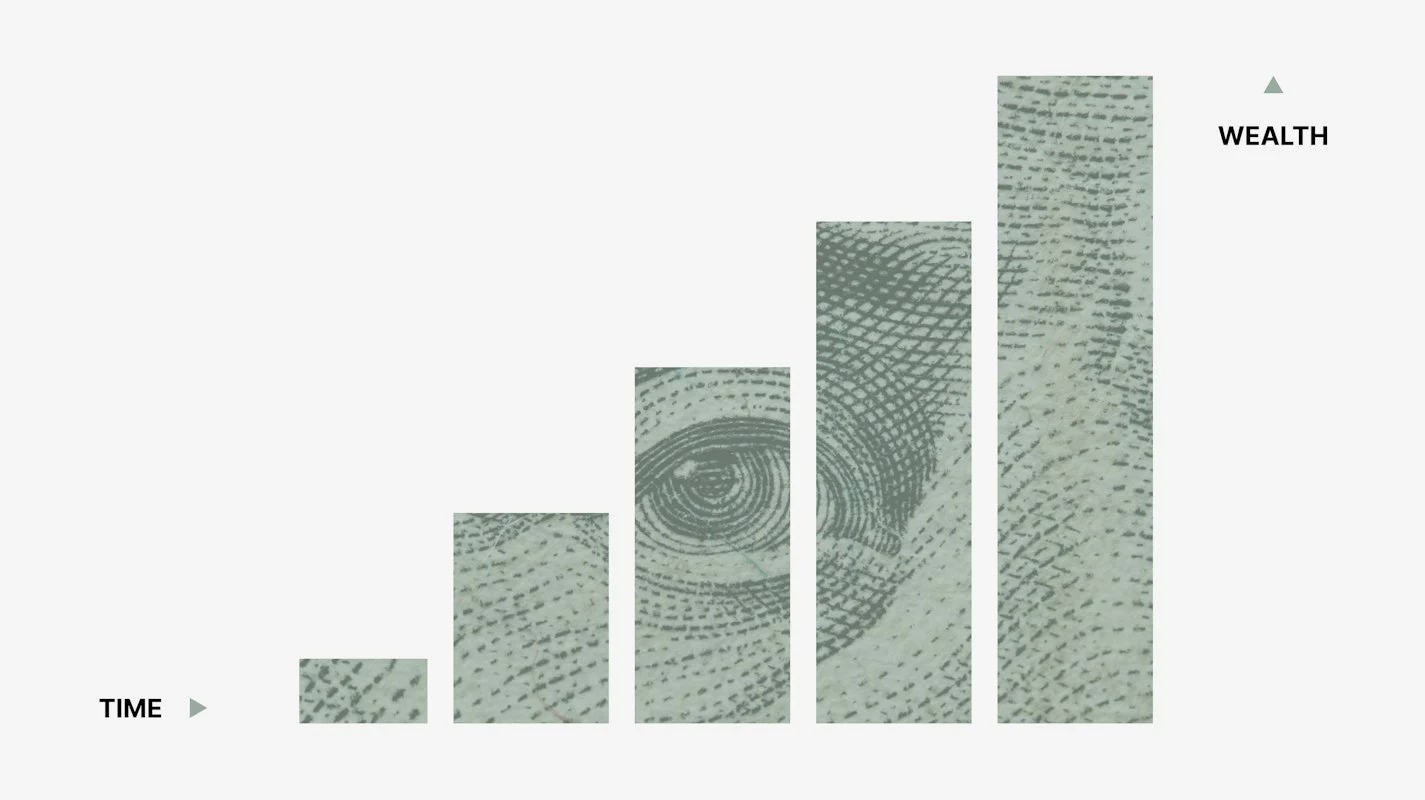
Subscriptions work because they convert a transaction into a financial system. Instead of chasing a fresh sale every few years, the business accumulates ARR and MRR, then compounds value through retention and expansion. The Adobe subscription business transition aligned Adobe with that logic.
Investors focus on churn, net revenue retention, and gross margin expansion because those metrics reveal whether the installed base is deepening or leaking. A company can post top-line growth while quietly losing pricing power; the best recurring models avoid that trap by lifting wallet share over time.
There is, however, a tradeoff that often gets glossed over. Revenue recognition becomes slower in the early phases, especially when a company abandons upfront license revenue for deferred subscription billings. That can compress reported sales before the longer-duration economics show up in full.
We observed in practice that markets usually tolerate this compression only if retention metrics remain strong. Once investors believe the base is stable, they begin to capitalize future cash flows at higher multiples. That is the real prize of the Adobe subscription business transition.
For a broader lens on how markets price recurring cash generation, the Congressional Budget Office and Federal Reserve both publish useful macro data that shape discount rates and valuation assumptions.
Adobe subscription business transition explained
Adobe did not simply rename its software and call it SaaS. It restructured the product stack, repackaged features into subscription tiers, and migrated buyers from boxed releases to a cloud-linked operating model. The Adobe subscription business transition was executed as a systems migration, not a marketing campaign.
Creative professionals were told they were buying continuous access to the latest tools, cloud storage, and integrated collaboration rather than a static version number. That changed the customer conversation from “Should I upgrade?” to “Which plan fits my workflow?” The economics of the Adobe subscription business transition depended on that reframing.
Operationally, the challenge was enormous. Adobe had to protect the existing installed base while nudging it into recurring billing without triggering mass abandonment. That meant managing price points, preserving familiar interfaces, and sequencing the migration so that revenue momentum did not collapse all at once.
Adobe also leaned on product breadth. When customers adopted more apps inside the ecosystem, the subscription became harder to unwind. The company’s ability to bundle creation, storage, and workflow tools helped stabilize the transition and soften the revenue reset.
For a useful comparison, see how recurring access models build habit and dependency in Starbucks loyalty app business model and the power of repeat sales. The mechanics differ, but the retention logic is similar.
Pricing power and customer lock in

Adobe’s real leverage came from bundling. When Photoshop, Illustrator, Premiere Pro, and adjacent services sit inside one account, switching costs rise fast. The Adobe subscription business transition made that lock-in more visible to Wall Street.
Frequent product enhancements also mattered. Customers were less likely to question subscription fees when new features, AI-enabled tools, and workflow integrations arrived continuously. That steady delivery cadence gave Adobe a strong argument for price increases without appearing dormant or extractive.
“Software becomes far more valuable when it is embedded in daily work, not sitting on a shelf waiting for the next upgrade cycle.”
Cross-sell and upsell were not side effects; they were the core growth engine. Once teams standardized on the platform, Adobe could expand account value through seats, add-ons, and premium capabilities. The Adobe subscription business transition created a framework where pricing power emerged from dependency rather than scarcity.
The dynamic resembles other membership-based models where access, convenience, and behavioral inertia reinforce each other. A relevant parallel is How the Costco membership fee business model Beats Retail Markups, where recurring access becomes the economic moat.
How Wall Street reacted
At first, investors worried about the mechanics. Subscription conversions can suppress reported revenue because deferred recognition replaces immediate license receipts. The Adobe subscription business transition therefore looked messy on the income statement even if the underlying economics improved.
Skeptics also questioned execution risk. If customers balked at pricing or delayed migration, Adobe could have faced a painful period of revenue deceleration. That fear was real, especially in a market that often punishes companies before the long-duration benefits become visible.
Still, the market eventually revised its view. As retention held up and recurring billings scaled, Adobe was increasingly treated as a premium platform business rather than a cyclical software vendor. The Adobe subscription business transition gave investors what they wanted most: predictability.
Below is a simplified comparison of the transition logic investors focused on during the shift.
| Metric | Perpetual License Era | Subscription Era |
|---|---|---|
| Revenue pattern | Lumpy, release-driven | Recurring, smoother visibility |
| Cash flow timing | Front-loaded | Deferred, but more durable |
| Investor focus | Unit sales and upgrades | Retention, ARR, net expansion |
| Valuation lens | Traditional software multiples | Premium recurring revenue multiples |
For a broader audit-style look at how regulators think about revenue recognition, IFRS Foundation guidance remains useful, especially when comparing billing timing with economic performance.
Risks beneath the growth story
The subscription model is not immune to stress. Churn can rise when customers feel overcharged, when competitors offer credible alternatives, or when usage declines during a weak macro cycle. The Adobe subscription business transition improved resilience, but it did not eliminate fragility.
There is also the political and regulatory angle. Consumers increasingly scrutinize subscription pricing, especially when cancellation feels difficult or product changes are imposed unilaterally. In that environment, the appearance of lock-in can become a reputational liability.
Dependence on continuous innovation is another pressure point. A recurring model promises ongoing value, which means stagnation becomes more visible than it would under a license system. If product cadence slows, customers begin to question whether the monthly fee still matches the utility received.
- Churn risk: Retention can weaken quickly when budget tightening exposes low-need users.
- Pricing backlash: Frequent price hikes can accelerate downgrades or cancellations.
- Innovation dependency: Subscription economics assume constant product improvement.
We have seen this pattern across software markets: the same structure that creates stability can also hide concentration risk. The Adobe subscription business transition worked because Adobe kept shipping, but that discipline is expensive and hard to sustain indefinitely.
What investors should learn from Adobe
The first lesson is that transition risk is real, even when the long-term thesis is sound. Founders and investors should separate accounting pain from economic weakness, then test whether retention, usage, and expansion are actually improving. That distinction defined the Adobe subscription business transition.
The second lesson is that revenue growth alone is not enough. Durable businesses produce cash, retain customers, and keep pricing power intact without relying on constant re-acquisition. When evaluating SaaS, fintech, or media assets, watch the base before celebrating the top line.
If you want to study adjacent business models that turn repeat behavior into durable monetization, review our analysis of Why Aldi Stocks Fewer Brands and How That Changes Grocery Store Economics. The principle is similar: control the customer relationship, then monetize consistency.
For investors, the practical filter is simple: does the company earn the next renewal, or merely invoice it? The market may eventually reward a business that survives the Adobe subscription business transition, but only if the cash generation is as real as the narrative.
Frequently Asked Questions about Adobe subscription business transition
Was the Adobe subscription business transition mainly about convenience for customers?
Not really. Convenience was part of the story, but the bigger goal was to replace unpredictable license spikes with recurring revenue. Adobe’s shift improved cash flow visibility, reduced piracy exposure, and created a more defensible business model for investors.
Why did Adobe abandon perpetual licenses in favor of subscriptions?
Perpetual licenses had started to break down because upgrade cycles were stretching, piracy was still a leak, and revenue depended too much on release timing. Subscriptions solved these issues by tying revenue to ongoing usage rather than one-time purchases.
How did the Adobe subscription business transition change the company’s economics?
The transition turned Adobe’s revenue into a compounding system built on ARR and MRR. That improved retention, raised customer lifetime value, and made margins easier to forecast, even though reported revenue could look weaker early in the shift.
What is the biggest benefit of subscription revenue compared with one-time software sales?
Subscription revenue is more predictable and easier to value because it depends on retention rather than sporadic upgrades. Investors usually reward that stability with richer multiples, since recurring billing gives a clearer view of long-term cash generation.
Is it a myth that the subscription model only hurts software companies in the short term?
It is partly a myth. Revenue recognition can slow at first because upfront license sales disappear, but markets often accept that compression when retention stays strong. Over time, the steadier revenue base can outweigh the initial reported decline.