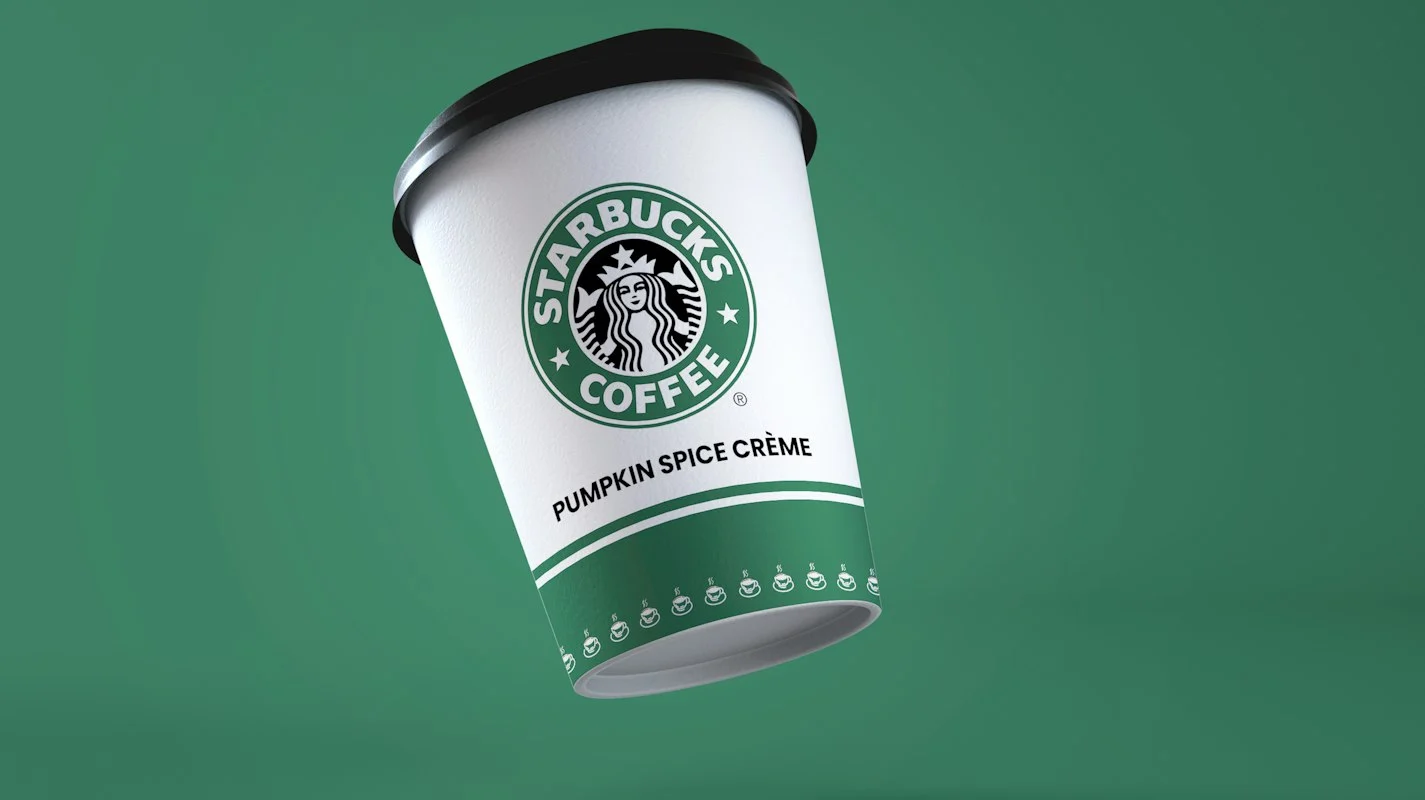
Can a coffee app quietly turn convenience into a recurring revenue machine? The Starbucks loyalty app business model suggests yes, by tying rewards, stored value, and speed of purchase into one tightly managed system.
With millions of members, Starbucks has turned routine beverage buys into data-rich, habit-driven transactions. The result is more than a discount program; it is a frequency engine built on mobile ordering, prepaid balances, and behavioral design.
How the model works
The core mechanics are simple on the surface and elegant underneath. Customers load money into the app, earn loyalty points, and redeem those points for products or perks that encourage the next visit.
Starbucks reduces friction at every step. The app stores payment credentials, speeds checkout, and nudges users toward repeat behavior through reminders, personalized offers, and limited-time incentives. In practice, the Starbucks loyalty app business model is a closed-loop retail system.
That loop matters because the company is not merely selling coffee. It is engineering visit frequency, capturing payment float, and shifting purchase behavior from spontaneous to habitual. The more often customers open the app, the more predictable the revenue base becomes.
We have observed that the economics improve when the app becomes the default ordering channel rather than a side feature. Each repeated transaction increases the probability of another one, which is the real power behind the Starbucks loyalty app business model.
In this structure, the reward is not just the free drink. It is the reduction of effort, the promise of status, and the psychological comfort of staying inside a familiar ecosystem. That is how the Starbucks loyalty app business model converts convenience into durable revenue density.
Why customers keep coming back
Repeat purchases are driven by both psychology and operating design. The app removes decision fatigue, shortens wait times, and gives customers a sense of progress through stars, tiers, and personalized offers.
There is also status signaling. A rewards account turns a routine coffee run into a small identity ritual, especially for frequent buyers who track their progress closely. The Starbucks loyalty app business model thrives because behavior is reinforced before the final purchase decision is even made.
[Lista]
- Convenience: Mobile checkout and stored payment data reduce friction at the point of sale.
- Gamification: Progress bars, rewards thresholds, and time-bound offers keep users engaged.
- Personalization: The app surfaces offers based on past behavior and visit cadence.
- Habit formation: Repeated routines make Starbucks the default choice for morning and afternoon purchases.
- Status signaling: Earning and redeeming rewards adds a subtle social and psychological reward.
This matters because loyalty is not passive. It is actively manufactured through repetition, timing, and interface design. The Starbucks loyalty app business model converts those behaviors into measurable frequency lift, especially among high-value customers.
When the app becomes embedded in a daily routine, the customer is less likely to compare alternatives at every visit. That is a subtle but powerful shift in purchasing behavior, and it is one reason the Starbucks loyalty app business model sustains so much repeat demand.
The economics behind the app
From an investor’s standpoint, the key question is whether the app improves customer lifetime value faster than it dilutes margin. In most loyalty systems, the answer depends on how often customers return and how much they spend per visit.
Starbucks benefits when loyalty members increase visit frequency, raise average ticket size, or shift into higher-margin add-ons. The Starbucks loyalty app business model works best when the incremental sale is large enough to outweigh reward costs and operating complexity.
Stored funds add another layer. Customers preloading money into the account create an economic float, because the cash arrives before the beverage is delivered. Those prepaid balances can support working capital efficiency while the company records a liability for unredeemed value.
At the same time, the accounting can look more generous than the economics if redemption timing is fast or if discounts become too aggressive. The Starbucks loyalty app business model still tends to perform well because frequency growth often offsets those costs through higher throughput and better unit economics.
In our analysis, the best programs do not rely on redemption alone. They use rewards to raise visit cadence, which increases the lifetime value of the customer base. That is where the Starbucks loyalty app business model becomes a compounding engine rather than a simple coupon program.
For context on how recurring-payment ecosystems shape retail economics, compare it with Costco’s membership fee model, where upfront cash and repeat behavior also matter. The mechanics differ, but the logic is similar: lock in the relationship first, then monetize frequency.
Starbucks loyalty app business model and data capture
One of the most valuable features of the system is data ownership. Every tap, scan, and redemption produces first-party signals on frequency, timing, basket composition, and location patterns.
That data is far more useful than broad third-party tracking because it comes from actual purchase behavior. The Starbucks loyalty app business model captures which items customers buy, when they buy them, and how their habits vary by daypart, store format, and region.
With that information, Starbucks can segment users with much greater precision. Marketing teams can target lapsed users, high-frequency buyers, or category-specific customers with tailored incentives, while operations teams can adjust staffing and inventory more accurately.
In a post-cookie environment, owned customer data has become a strategic asset. The Starbucks loyalty app business model does not just drive sales; it builds a proprietary dataset that can inform menu innovation, merchandising, and store-level forecasting.
We see this as a quiet but important moat. Competitors can imitate beverages, but they cannot easily replicate a mature behavioral database tied to a large, active user base. That is why the Starbucks loyalty app business model has value beyond the immediate transaction.
These insights also help optimize promotional spend. Rather than discounting broadly, Starbucks can use data to push offers where they are most likely to trigger incremental visits instead of subsidizing purchases that would have happened anyway.
Rewards structure and redemption costs
The reward engine is built on issuance, redemption, and timing. Customers earn stars or points, but those units are not free to the company; they create a deferred obligation that must eventually be honored or expire.
That is why breakage matters. Not every earned reward is redeemed, and the value of unredeemed awards reduces the effective cost of the program. The Starbucks loyalty app business model benefits when breakage is predictable and redemption is spaced out over time.
The accounting treatment usually recognizes a loyalty liability when points are issued, then reduces that liability as redemptions occur or breakage is estimated. For investors, the signal to watch is whether promotions are generating durable engagement or just pulling forward low-margin purchases.
A disciplined program preserves margin by limiting excessive discounting. If incentives become too rich, the company risks training customers to wait for rewards rather than buy at full price. That would weaken the Starbucks loyalty app business model even if top-line traffic appears healthy.
| Mechanic | Economic Effect | Investor Implication |
|---|---|---|
| Point issuance | Creates a liability and encourages future visits | Watch whether issuance drives incremental frequency |
| Redemption | Converts deferred value into product cost | Higher redemption can lift traffic but pressure margin |
| Breakage | Reduces the effective cost of rewards | Improves economics if assumptions remain stable |
| Promotional offers | Stimulate visits and basket growth | Must be measured against cannibalization risk |
The table shows why loyalty programs are never free lunch programs. They only work when behavior changes enough to justify the liability and the discount. Starbucks has generally managed that trade-off better than most large retailers, which is central to the Starbucks loyalty app business model.
For a broader retail comparison, see Aldi’s private-label strategy, where margin control is driven by assortment discipline rather than loyalty rewards. The contrast helps explain how different retail moats monetize repeat demand.
Mobile ordering as a retention engine
mobile ordering is not just a convenience feature; it is a behavioral lock-in mechanism. Once customers learn they can skip the line, customize drinks, and collect rewards in one flow, the app becomes part of the purchasing routine.
That matters during high-frequency, time-sensitive moments like the morning commute. Speed reduces abandonment, and consistency builds habit. The Starbucks loyalty app business model gets stronger when routine purchases migrate into a digital channel that is hard to replace.
Operationally, the system also changes store throughput. Pre-orders can smooth demand, while digital queues allow Starbucks to plan labor more effectively around predictable peaks. That efficiency supports the customer experience and helps the economics of the Starbucks loyalty app business model remain attractive.
There is a tension, however, between speed and congestion. If digital demand overwhelms production capacity, wait times rise and the convenience promise breaks down. In that scenario, the Starbucks loyalty app business model can suffer from its own success.
Still, the strategic logic is strong. Convenience is sticky, and the app embeds the brand inside a daily habit loop. Once a customer relies on it for speed and customization, the Starbucks loyalty app business model becomes difficult to dislodge.
For a cautionary example of what happens when an operating model loses control of demand or costs, read Hertz Chapter 11 bankruptcy. The lesson is different, but the underlying investor question is familiar: does the system strengthen the business, or expose structural fragility?
What investors should watch
Investors should focus less on headlines about loyalty sign-ups and more on the metrics that reveal real behavior. The app is only valuable if it increases frequency, improves retention, and supports stronger economics over time.
Key indicators include active users, reward liability growth, same-store sales contribution from loyalty members, engagement frequency, and digital mix penetration. If those measures improve together, the Starbucks loyalty app business model is likely enhancing franchise value rather than simply subsidizing demand.
“The real asset is not the app itself, but the pattern of repeated behavior it records and reinforces,” said Dana Whitcomb, retail analytics strategist at Beacon Mercer Research.
We would also watch whether promotions are becoming more targeted or more expensive. A healthy system should drive higher order frequency without forcing excessive discount depth, because margin discipline determines whether the program scales profitably.
For investors, the best outcome is simple: a larger base of habitual customers who buy more often, spend more predictably, and generate proprietary data with every transaction. That is where the Starbucks loyalty app business model becomes more than a marketing tool.
The real value sits in repetition
The deepest advantage of the Starbucks loyalty app business model is that it compounds repetition. A customer who buys more often, loads funds in advance, and uses the app by habit becomes more valuable than a one-time visitor.
If you want to compare this kind of behavioral monetization with other retail moats, start with Costco’s membership economics and then study how loyalty changes unit economics in practice. The next layer of analysis belongs in our broader coverage of retail operating models.
Frequently Asked Questions about Starbucks loyalty app business model
What is the Starbucks loyalty app business model and why does it matter?
The Starbucks loyalty app business model combines mobile ordering, stored value, and rewards to encourage frequent purchases. It matters because it reduces friction, increases visit frequency, and turns occasional coffee runs into predictable, data-rich recurring transactions.
How does the Starbucks app encourage repeat purchases?
It encourages repeat purchases through gamified progress, personalized offers, reminders, and time-limited incentives. By making checkout faster and rewards easier to track, the app builds habit loops that nudge customers back before they choose another coffee option.
What are the main benefits of Starbucks Rewards for customers?
Customers benefit from convenience, faster checkout, and visible progress toward free drinks or perks. The app also creates a sense of status and personalization, making routine purchases feel more rewarding and reducing the effort required to reorder.
How is this model different from a standard discount program?
Unlike a simple discount program, this model is designed to shape behavior over time. It combines loyalty points, prepaid balances, and app-based ordering to keep customers inside a closed ecosystem, where every purchase strengthens future buying habits.
Is it a myth that loyalty apps only work because of free rewards?
Yes, that is a common myth. Free rewards help, but the real engine is convenience, habit formation, and reduced decision fatigue. Starbucks uses rewards as reinforcement, while the deeper value comes from making its app the default purchase channel.