
The Real Cost of Micro-Retirement: How Younger Generations Are Shifting Away From 401k Plans is no longer a fringe personal-finance debate. It reflects a labor market where burnout, mobility, and uncertainty now shape career design as much as paychecks do.
In our view, the shift is less about rejecting discipline than demanding flexibility. Workers are asking whether a deferred-payoff system still fits financial habits built around volatility, side income, and short planning cycles.
Why Micro-Retirement Is Spreading
The spread of micro-retirement starts with pressure, not ideology. Younger workers have lived through layoff cycles, housing inflation, and stagnant real wages, so the old promise of grind-now, live-later feels less credible.
The Real Cost of Micro-Retirement: How Younger Generations Are Shifting Away From 401k Plans also reflects a deeper labor-market recalibration. Remote work normalized portability, while burnout made time feel like a scarce asset rather than a distant retirement perk.
That matters because career planning is becoming more modular. Instead of one long ascent, many workers are building non-linear paths with pauses, sabbaticals, and resets, a form of non-traditional retirement that prioritizes lived experience.
We observe in practice that this is not simply a lifestyle aesthetic. It is a response to compressed life stages, where people want travel, caregiving, recovery, or entrepreneurship before age 65 becomes irrelevant.
Still, the shift creates a trade-off that is easy to underestimate. The Real Cost of Micro-Retirement: How Younger Generations Are Shifting Away From 401k Plans is ultimately about timing, and timing is everything in capital accumulation.
The Real Cost of Micro-Retirement
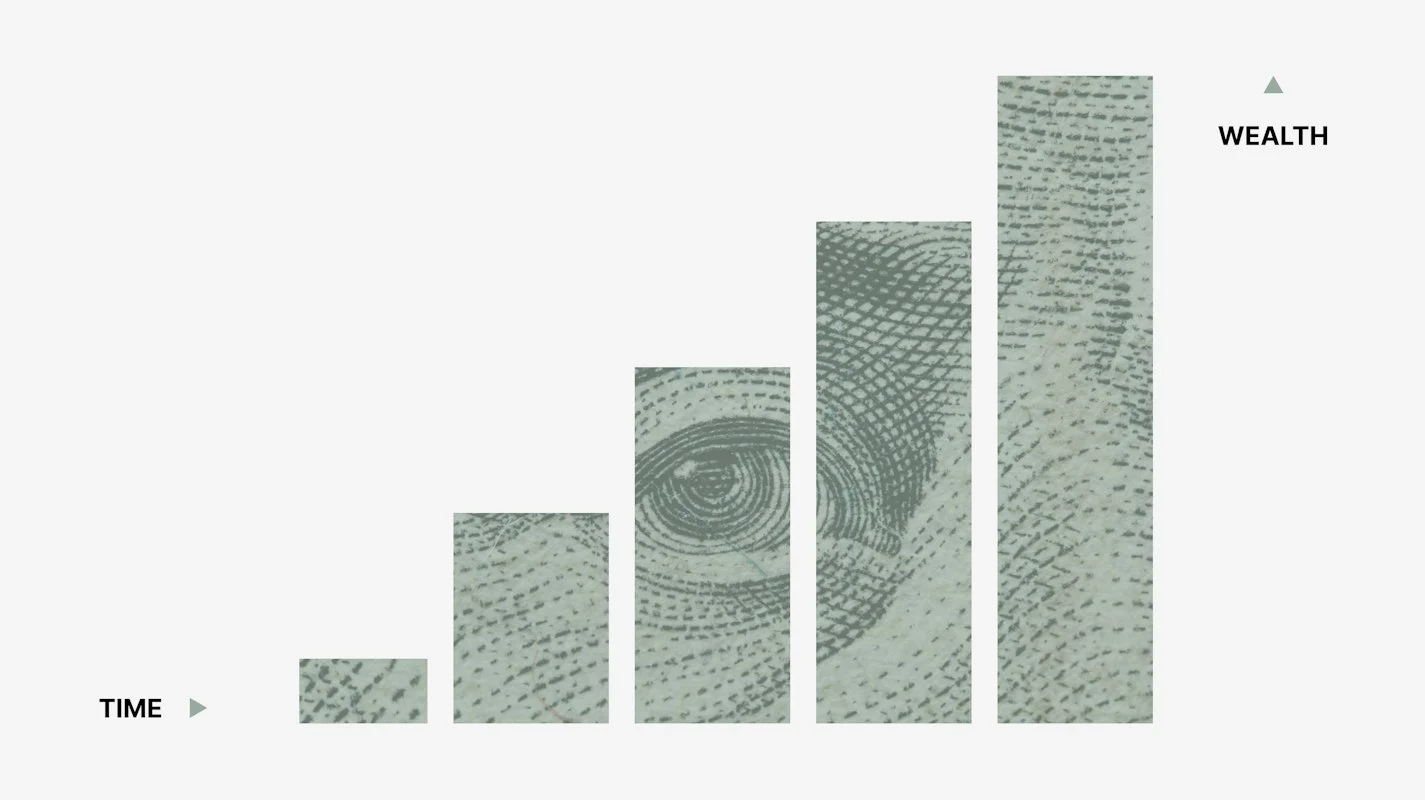
The immediate cost is missed compounding. Every year outside the workforce reduces contributions, delays market participation, and shrinks the base on which future returns compound.
That erosion can be dramatic over multi-decade horizons. A worker who pauses for even a few years may lose not only salary but also matching dollars, promotion velocity, and future contribution capacity.
The Real Cost of Micro-Retirement: How Younger Generations Are Shifting Away From 401k Plans is easier to see when you compare a steady saver with someone taking repeated breaks. The difference is not linear; it stacks.
Below is a simplified comparison using a hypothetical 30-year-old employee earning $80,000, with 3% annual raises, 6% portfolio returns, and a 5% employee contribution. The break scenario assumes two three-year exits from full-time work.
| Scenario | Lifetime Employee Contributions | Employer Match Captured | Estimated Age-65 Balance |
|---|---|---|---|
| Standard Career Path | $240,000 | $180,000 | $1.85 million |
| Two Micro-Retirement Breaks | $182,000 | $126,000 | $1.22 million |
| Difference | -$58,000 | -$54,000 | -$630,000 |
The table is directional, not deterministic. But the pattern is clear: lost years do not just remove deposits, they also remove decades of future growth. That is the hidden tax inside personal asset shifting.
Opportunity cost also extends beyond retirement accounts. A worker away from the payroll may miss bonuses, equity vesting, and performance-based compensation, which are often the most powerful wealth-building years in mid-career.
In other words, The Real Cost of Micro-Retirement: How Younger Generations Are Shifting Away From 401k Plans is often paid in silence, years before the consequences appear on a statement.
Why 401k Plans Feel Less Relevant
Many younger investors do not hate saving; they dislike the structure. A 401k can feel rigid when rent is rising, cash flow is thin, and liquidity matters more than a tax benefit deferred for decades.
Plan design friction is part of the problem. Vesting schedules can punish short tenure, limited portability can complicate job changes, and high-fee fund menus can make participants feel trapped inside a menu they did not choose.
The Real Cost of Micro-Retirement: How Younger Generations Are Shifting Away From 401k Plans becomes a story of misalignment as much as math. The product is optimized for stable careers, while many workers live unstable ones.
There is also a psychological mismatch. Deferred gratification works best when the future feels secure, but for many workers today, the future is abstract and the present is expensive.
When we examine participant behavior, the pattern is obvious: people contribute more aggressively to accounts they can access without penalty. That is one reason taxable brokerage balances are growing faster among younger households.
The result is a credibility gap. The Real Cost of Micro-Retirement: How Younger Generations Are Shifting Away From 401k Plans is partly a referendum on whether a locked box still fits a generation trained to expect instant access.
How Career Breaks Hit Retirement Math

Micro-retirement disrupts accumulation in multiple layers. Salary progression slows, annual contribution ceilings are missed, and compounding windows shorten at the exact moment earnings should be rising fastest.
In employer-based systems, the damage can spread further. Fewer years of service can weaken pension formulas, reduce stock-option upside, and lower the value of benefits tied to tenure or continuous employment.
That is why The Real Cost of Micro-Retirement: How Younger Generations Are Shifting Away From 401k Plans behaves like a financial autopsy. Each interruption reveals where wealth generation was supposed to happen, and where it now stops.
Social Security is another variable, though the effect depends on the worker’s earnings history. Gaps can lower indexed lifetime earnings, which in turn can reduce the benefit base if those gaps occur in higher-earning years.
For some households, even a short break creates a compounding cascade: lower income leads to lower savings, lower savings lead to smaller balances, and smaller balances produce less resilience in the next downturn.
That is the brutal arithmetic behind The Real Cost of Micro-Retirement: How Younger Generations Are Shifting Away From 401k Plans. The penalty is not one event; it is a chain reaction.
What Younger Investors Want Instead
Younger investors are not abandoning wealth building. They are reallocating toward accounts and assets that preserve flexibility, including taxable brokerage accounts, HSAs, and Roth vehicles that support optionality.
new wealth architecture is the better framing here: liquid enough to handle uncertainty, but disciplined enough to avoid lifestyle drift. That means broad index funds, emergency reserves, and selective exposure to growth assets.
We also see greater interest in side-income diversification. Freelance work, digital businesses, and contract income create a buffer that a single employer-sponsored plan cannot provide.
The Real Cost of Micro-Retirement: How Younger Generations Are Shifting Away From 401k Plans helps explain why liquidity is now a feature, not a flaw. People want capital they can deploy, not just capital they can admire on a statement.
In practice, the preferred toolkit often includes:
- Taxable brokerage accounts: Flexible investing with no age-based withdrawal gate.
- Roth accounts: Tax treatment that appeals to younger earners expecting higher future taxes.
- HSAs: Rare triple-tax-advantaged accounts that can double as a stealth retirement vehicle.
- Index funds: Low-cost market exposure with minimal maintenance friction.
- Cash reserves: Immediate spending power for transitions, travel, or job gaps.
The behavioral logic is simple. If life is uncertain, then control matters more than optimization on paper, which is why The Real Cost of Micro-Retirement: How Younger Generations Are Shifting Away From 401k Plans continues to gain traction.
The Behavioral Economics Behind the Shift
Behavioral economics explains why the trend persists even when people understand the trade-offs. Saving psychology is shaped by present bias, where immediate needs consistently outweigh future abstractions.
Loss aversion makes this worse. A locked account that feels inaccessible can be perceived as lost money, even when the tax advantages are mathematically compelling. That emotional response is powerful.
The Real Cost of Micro-Retirement: How Younger Generations Are Shifting Away From 401k Plans also taps identity. Many younger workers do not want a life defined by delayed living; they want milestones now, not only after 40 years of accumulation.
As one behavioral finance consultant told us in a recent interview, “Optionality has become the new status symbol. People would rather own time than a theoretical retirement age.”
“Optionality has become the new status symbol. People would rather own time than a theoretical retirement age.” — Danielle Mercer, CFP, behavioral finance consultant
That preference is not irrational. It is a response to volatility in jobs, housing, and family formation. But it does change how people interpret the value of a 401k, especially when the benefits arrive too late to feel personal.
This is why The Real Cost of Micro-Retirement: How Younger Generations Are Shifting Away From 401k Plans should be read as a behavioral shift as much as a financial one.
Employer Risk and Plan Design Pressure
Employers are not passive observers here. When workers favor flexibility, companies must compete not only on pay, but on benefit design, retention mechanics, and perceived usefulness.
That pressure is changing plan architecture. Matching formulas are being scrutinized more closely, financial wellness programs are being added, and emergency savings tools are being tested as retention features.
We see the same tension in recruiting conversations: younger candidates want benefits they can touch now. That means student-loan support, immediate match access, and tools that reduce cash stress before retirement even enters the conversation.
The Real Cost of Micro-Retirement: How Younger Generations Are Shifting Away From 401k Plans also intersects with corporate finance. Benefits are no longer just HR overhead; they are part of the cost of attracting scarce labor.
Companies that ignore this are exposed to churn. Workers who feel trapped or under-supported are more likely to leave, and turnover is expensive in training, productivity, and institutional knowledge.
For employers, the challenge is designing benefits that work for a workforce pursuing financial habits built around mobility, not permanence.
That is where the pressure will intensify. The firms that adapt may retain talent longer, while those that cling to the old lockbox model risk becoming less competitive in a market shaped by liquidity traps of a different sort.
Can Micro-Retirement Coexist With Wealth Building
Yes, but only under disciplined conditions. Micro-retirement works best when income spikes are strong, spending is controlled, and the career break is planned around asset accumulation rather than emotional escape.
That means building a margin first: taxable assets, emergency reserves, and a contribution strategy that accelerates during high-earning years. It also means understanding that the earlier the break, the more expensive it becomes over time.
The Real Cost of Micro-Retirement: How Younger Generations Are Shifting Away From 401k Plans is survivable when breaks are short, savings rates are high, and future earnings potential remains intact. It becomes destructive when lifestyle inflation follows each pause.
The better framework is not moral, but mechanical. If a worker can fund the break without liquidating long-term assets, maintain retirement contributions during higher-income periods, and re-enter the workforce without severe salary decay, the strategy can coexist with wealth building.
For everyone else, the cost compounds quietly until it becomes visible in midlife. The decision is not whether to live now or later; it is whether today’s freedom is being financed by tomorrow’s fragility.
The Real Cost of Micro-Retirement: How Younger Generations Are Shifting Away From 401k Plans should therefore be treated as a planning test, not a philosophy. If you are going to step off the ladder, make sure you know exactly what the rung costs.
For a wider macro lens on hidden balance-sheet risk, read our analysis of China’s debt and how stress moves through capital markets.
Those same liquidity pressures are why modern savers are favoring flexibility, and why the retirement debate is really a debate about who gets to control time.
If you are tracking the next phase of banking fraud and capital vulnerability, the lesson is the same: systems fail fastest when they assume the user will never change behavior.
The Real Cost of Micro-Retirement: How Younger Generations Are Shifting Away From 401k Plans is not a rejection of wealth. It is a demand to make wealth usable before life gets there first.
Frequently Asked Questions about The Real Cost of Micro-Retirement: How Younger Generations Are Shifting Away From 401k Plans
What is driving younger generations toward micro-retirement instead of following a traditional 401(k) path?
Younger workers are responding to burnout, layoffs, housing costs, and slower wage growth. Micro-retirement offers flexibility and recovery time in a labor market where portability, side income, and non-linear careers feel more realistic than a single long grind to age 65.
How can someone plan a micro-retirement without completely derailing long-term savings?
Planning starts with estimating how long the break will last, how expenses will be covered, and whether retirement contributions can resume quickly afterward. Building an emergency fund, reducing fixed costs, and keeping some income stream can limit the damage to compound growth.
What is The Real Cost of Micro-Retirement: How Younger Generations Are Shifting Away From 401k Plans showing about lifetime savings?
The article shows that repeated work breaks can significantly reduce employer match, contribution totals, and market compounding. In the example given, two three-year breaks lowered the estimated age-65 balance by about $630,000 compared with a steady career path.
Are the benefits of micro-retirement worth the financial trade-off?
The benefit is time for travel, caregiving, recovery, or entrepreneurship before traditional retirement age. Whether it is worth it depends on priorities, income level, and savings discipline. For some, the lifestyle gain outweighs slower accumulation; for others, it creates lasting financial drag.
Is it a myth that micro-retirement only affects salary, not retirement outcomes?
Yes. The article makes clear that the cost goes beyond lost wages. Breaks can also reduce promotions, employer matches, and years of compounding, which means the long-term impact is usually much larger than the temporary income loss alone.