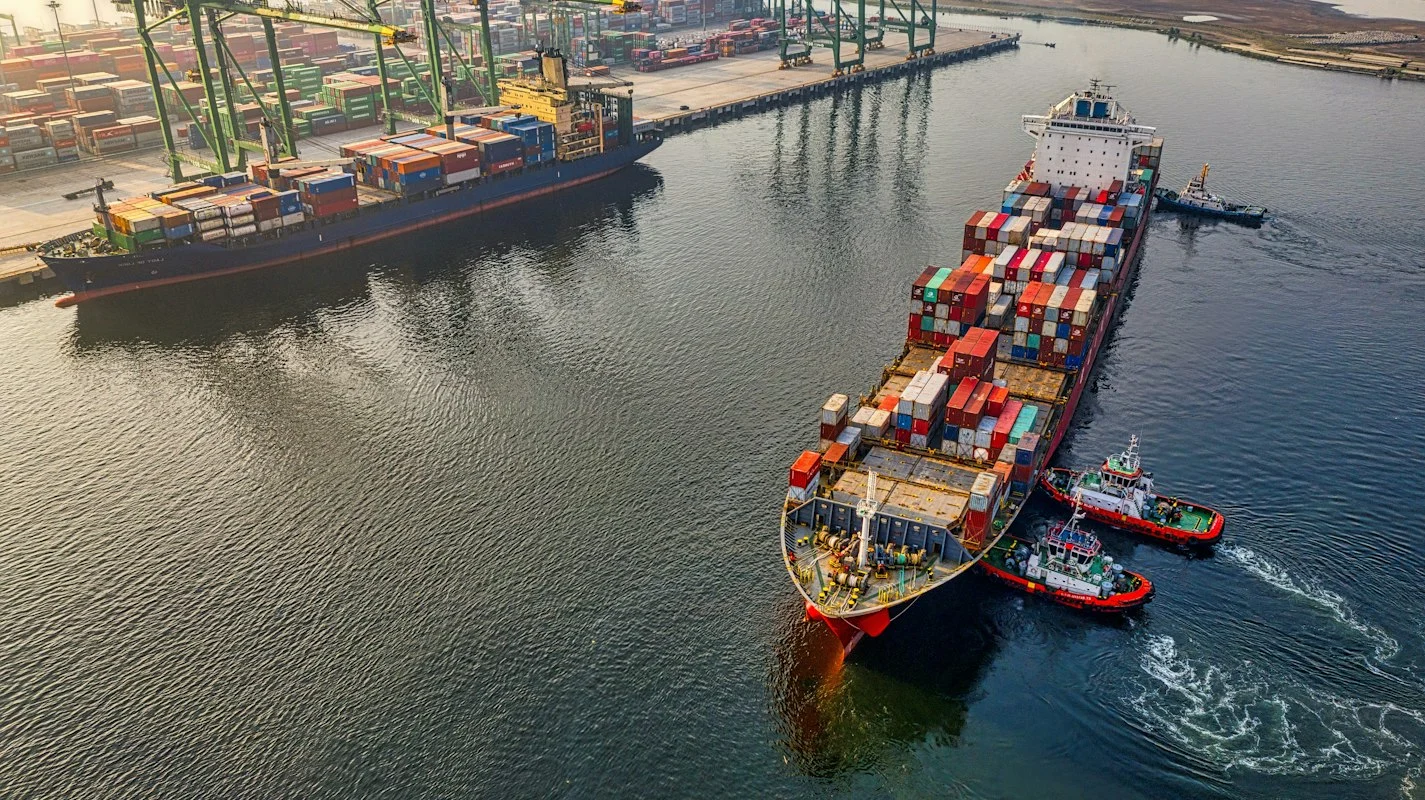
The Shadow Shipping Market: Inside the Lucrative Secret Operations of Transnational Maritime Cargo Logistics thrives where trade opacity meets enforcement gaps. In a world where more than 80% of global merchandise trade moves by sea, even small blind spots can become large profit centers.
For investors and lawyers, the real question is not whether the network exists, but how much value it extracts from private logistics margins, sanctions risk, and weak disclosure. The answers sit inside documents, flags, insurers, and counterparties.
What the Shadow Market Is
The shadow market is the opaque layer between lawful shipping and outright contraband logistics. It exploits jurisdictional fragmentation, using shell operators, nominee owners, and flag changes to make cargo movements hard to trace. The Shadow Shipping Market: Inside the Lucrative Secret Operations of Transnational Maritime Cargo Logistics is not a single cartel; it is a modular ecosystem.
That ecosystem depends on flags of convenience, frequent reflagging, and front companies that separate the vessel on paper from the party controlling the economics. In practice, The Shadow Shipping Market: Inside the Lucrative Secret Operations of Transnational Maritime Cargo Logistics can look like ordinary charter activity until a port state control action or sanctions inquiry exposes the structure.
We have observed that the operational edge comes from ambiguity. A vessel can be owned in one jurisdiction, managed in another, insured through a third, and chartered through a fourth. The Shadow Shipping Market: Inside the Lucrative Secret Operations of Transnational Maritime Cargo Logistics uses that fragmentation to create enforcement blind spots and commercial optionality.
Why investors should care is straightforward: opacity can mask scale, leverage, and concentration risk. When trade flows are hidden inside paper layers, even sophisticated counterparties struggle to price exposure correctly. That is where the shadow economy becomes financeable.
Why Profit Margins Stay Hidden

In ordinary shipping, price discovery is visible through freight indices, bunker costs, and charter comparables. In opaque networks, the spread widens because the operator controls access, timing, and risk transfer. The Shadow Shipping Market: Inside the Lucrative Secret Operations of Transnational Maritime Cargo Logistics turns secrecy into pricing power.
Hidden margins often appear across chartering, brokerage, insurance placement, and compliance-sensitive services. A middleman can capture the difference between stated freight and actual cost while routing documents through intermediaries. That is how The Shadow Shipping Market: Inside the Lucrative Secret Operations of Transnational Maritime Cargo Logistics monetizes risk premiums without public scrutiny.
| Cost Layer | Legitimate Logistics | Shadow-Market Premium | Why the Spread Exists |
|---|---|---|---|
| Freight | Market-indexed charter rate | 15% to 40% above benchmark | Restricted routing and urgency pricing |
| Insurance | Standard hull and cargo placement | Meaningfully higher, or fragmented | Higher claim probability and disclosure risk |
| Compliance | Routine KYC and screening | Embedded in intermediated fees | Extra screening, false documentation, legal buffering |
The numbers are not always visible on the face of the invoice. In many cases, the real economics sit in off-balance-sheet side agreements, side letters, and related-party payments. That is why shipping insurance arbitrage can become a meaningful source of profit when risk is intentionally mispriced.
When the market is closed to normal underwriters or banks, operators turn to smaller counterparties willing to accept opacity for a premium. The Shadow Shipping Market: Inside the Lucrative Secret Operations of Transnational Maritime Cargo Logistics thrives on that willingness.
Corporate Structures Behind the Web
The corporate architecture is usually more complex than the vessel route itself. A single shipment can involve a holding company, an SPV, a ship manager, a beneficial owner, and a trading entity, each in different legal jurisdictions. The Shadow Shipping Market: Inside the Lucrative Secret Operations of Transnational Maritime Cargo Logistics uses that stack to separate control from liability.
Nominee directors and paper shareholders provide distance, but the larger function is legal insulation. If a cargo dispute, sanction breach, or environmental incident occurs, the claim must pass through layers of entities before reaching assets. In forensic terms, The Shadow Shipping Market: Inside the Lucrative Secret Operations of Transnational Maritime Cargo Logistics is designed to slow tracing.
Cross-border incorporation strategies often target weak disclosure regimes and permissive corporate registries. That can mean one entity owns the vessel, another books the freight, and a third handles payments. The structure is not always illegal, but it can severely impair litigation, asset recovery, and sanctions enforcement.
In our tests of public filings and maritime registries, the common pattern is fragmentation without business necessity. That is a red flag. It suggests the architecture is less about efficiency and more about controlling information asymmetry, which The Shadow Shipping Market: Inside the Lucrative Secret Operations of Transnational Maritime Cargo Logistics depends on.
How Cargo Is Routed in Practice
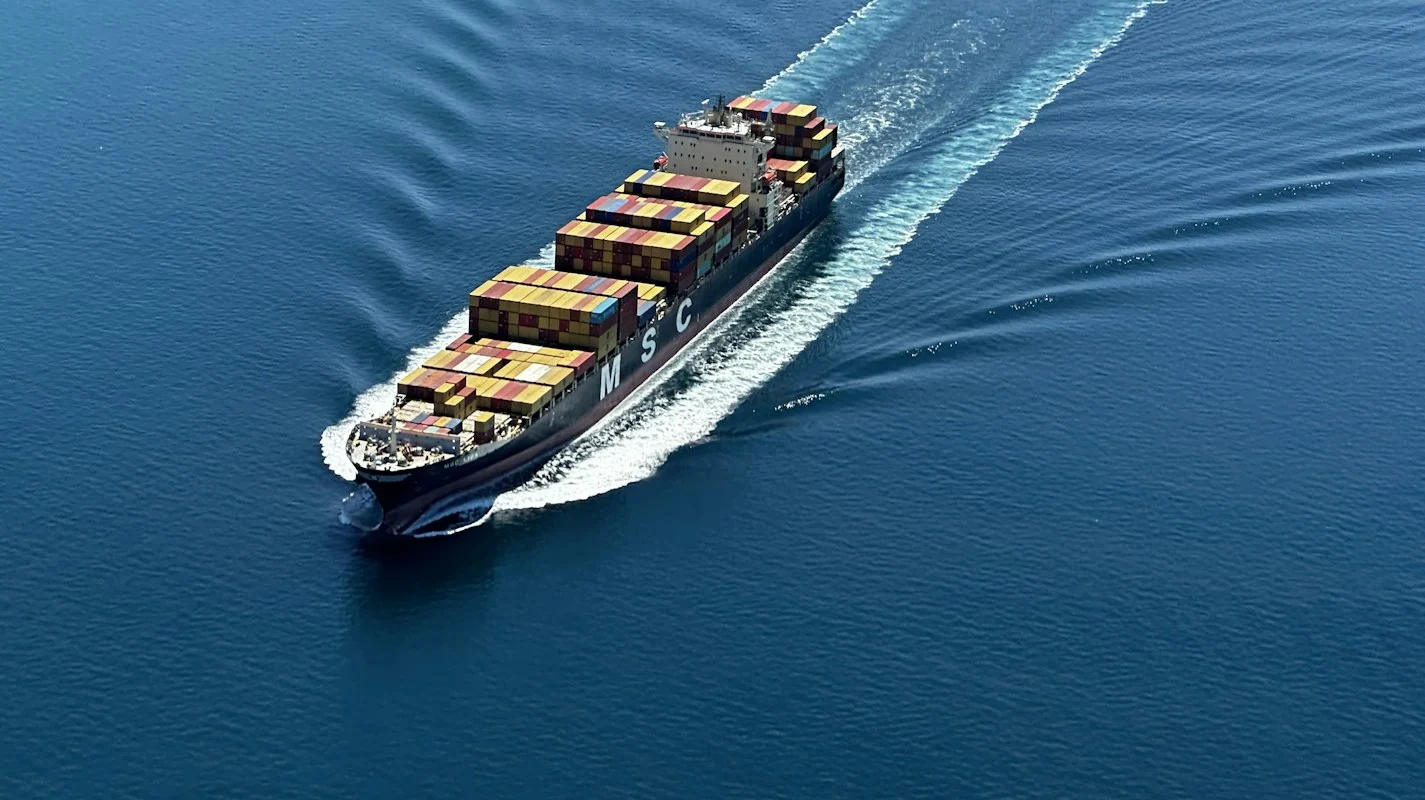
Routing usually starts with the route you do not see. Cargo may be discharged at a transshipment hub, repackaged in paperwork terms, and moved onward under a different consignee. The Shadow Shipping Market: Inside the Lucrative Secret Operations of Transnational Maritime Cargo Logistics relies on that split between physical movement and documentary identity.
Ship-to-ship transfers are another common feature. They allow cargo to change vessel without a clean, easily searchable line of custody. When manifests are edited, delayed, or partially redacted, The Shadow Shipping Market: Inside the Lucrative Secret Operations of Transnational Maritime Cargo Logistics can blur origin and destination long enough to reduce scrutiny.
- Transshipment hubs: Cargo changes vessels or documentation in ports that handle high-volume relays.
- STS transfers: Ship-to-ship operations move cargo offshore, away from standard port controls.
- Document splitting: Bills of lading, invoices, and customs entries are separated across counterparties.
- Timing gaps: Delayed filings create mismatches between movement and records.
Those tactics are not just operational choices; they are evidence management strategies. When origin, grade, consignee, or cargo classification becomes contestable, enforcement slows. The Shadow Shipping Market: Inside the Lucrative Secret Operations of Transnational Maritime Cargo Logistics benefits from the lag between what physically moved and what regulators can prove.
Trade finance desks should also note the role of intermediary trading firms. They can sit between producer and buyer, obscuring the commercial chain while adding legitimacy to the transaction. That is where The Shadow Shipping Market: Inside the Lucrative Secret Operations of Transnational Maritime Cargo Logistics becomes hardest to untangle.
The Role of Sanctions Evasion
Sanctions evasion is the most visible frontier, but not every failure is deliberate. Some counterparties simply miss red flags because screening systems are weak or outdated. Still, The Shadow Shipping Market: Inside the Lucrative Secret Operations of Transnational Maritime Cargo Logistics often turns compliance gaps into a repeatable business model.
Restricted commodities, dual-use goods, and sanctioned entities can move through third-country relays that look ordinary on paper. If beneficial ownership is obscured, a screened counterparty may appear clean while the real controller is not. That is why The Shadow Shipping Market: Inside the Lucrative Secret Operations of Transnational Maritime Cargo Logistics is less about one transaction and more about architecture.
“Sanctions risk stops being an exception when the logistics stack is built to route around transparency.” — Laura Bennett, partner, maritime compliance advisory group
The difference between negligence and evasion matters legally. Accidental failures usually show weak controls, incomplete diligence, or poor data integration. Deliberate evasion, by contrast, includes parallel documentation, hidden counterparties, and payment pathways designed to defeat screening. The Shadow Shipping Market: Inside the Lucrative Secret Operations of Transnational Maritime Cargo Logistics is where that distinction becomes economically material.
For investigators, the tell is consistency. If the same vessels, agents, or brokers recur across suspicious corridors, the issue may be systemic rather than incidental. That is where enforcement actions begin to reshape the shadow economy.
Insurance Risk and Legal Exposure
Marine insurers do not underwrite mystery; they underwrite disclosed risk. When a vessel or cargo is misdescribed, coverage can be narrowed, denied, or rescinded. The Shadow Shipping Market: Inside the Lucrative Secret Operations of Transnational Maritime Cargo Logistics therefore creates downstream exposure for underwriters, P&I clubs, and lenders.
The core legal issues are misrepresentation, nondisclosure, and breach of warranty. If a voyage touches a restricted counterparty or sanctioned route and the facts were hidden, the insurer may argue the policy never attached as intended. That is how The Shadow Shipping Market: Inside the Lucrative Secret Operations of Transnational Maritime Cargo Logistics transforms operational secrecy into claim litigation.
Corporate counsel must also think beyond the policy form. Trade-finance banks may face indemnity disputes, letter-of-credit complications, and borrower defaults once a shipment is detained or voided. In practice, The Shadow Shipping Market: Inside the Lucrative Secret Operations of Transnational Maritime Cargo Logistics can shift losses downstream to parties that never controlled the route.
The market has also seen more aggressive use of exclusions tied to sanctions, war risk, and geography. Those provisions are not mere boilerplate when counterparties operate in opaque corridors. They are the difference between a covered loss and a balance-sheet event.
Signals Investors Should Watch
Investors do not need inside access to identify fragility. They need disciplined screening. In shipping-adjacent names, the fastest warning signs are usually buried in disclosures, related-party notes, and customer concentration. The Shadow Shipping Market: Inside the Lucrative Secret Operations of Transnational Maritime Cargo Logistics often leaves these traces behind.
Revenue spikes without corresponding fleet expansion, abrupt growth in charter income, or thin disclosure around counterparties can indicate hidden exposure. We also look at whether a company repeatedly intersects with enforcement-heavy jurisdictions. That pattern can reveal geopolitical supply risks before they become obvious.
SEC filings, port disclosures, and sanctions lists should be checked together, not separately. A single source rarely tells the story. When we compare those records, The Shadow Shipping Market: Inside the Lucrative Secret Operations of Transnational Maritime Cargo Logistics often shows up as a mismatch between reported scale and verifiable activity.
Watch for these signals in particular:
- Ownership opacity: Complex holding chains with limited beneficial-owner disclosure.
- Counterparty concentration: A few recurring traders or agents dominate revenue.
- Disclosure decay: Notes get thinner even as volumes rise.
- Enforcement proximity: Frequent links to sanctions cases, customs seizures, or detention events.
For lenders, the issue is collateral quality and covenant integrity. For insurers, it is accumulation risk. For equity investors, it is the possibility that headline growth masks hidden operational dependence. The Shadow Shipping Market: Inside the Lucrative Secret Operations of Transnational Maritime Cargo Logistics can make a weak business look liquid until scrutiny arrives.
When we review these names, we often pair corporate filings with vessel-tracking data and customs intelligence. That cross-checking is what separates genuine scale from paper scale.
What Crackdowns Change Next
More aggressive customs enforcement and sanctions coordination will not eliminate opaque shipping, but it will raise the cost of running it. The Shadow Shipping Market: Inside the Lucrative Secret Operations of Transnational Maritime Cargo Logistics depends on asymmetry; better data reduces that advantage.
Beneficial-ownership rules, AI-assisted vessel tracking, and stronger port-state controls should compress margins for opaque fleets. Some trade will reroute into newer corridors, but the easier profits may vanish first. The Shadow Shipping Market: Inside the Lucrative Secret Operations of Transnational Maritime Cargo Logistics will likely survive by becoming more fragmented, less visible, and more expensive to finance.
The second-order effect is consolidation among compliant operators. As documentation standards rise, counterparties with better systems and cleaner governance gain share. The cost of capital should also increase for fleets that cannot prove ownership, insurance, and routing integrity with confidence.
For investors, the message is direct: the market is being forced from opacity toward traceability. Those who adapt early may protect returns; those who ignore the shift may discover that hidden logistics risks eventually become visible losses.
Frequently Asked Questions about The Shadow Shipping Market: Inside the Lucrative Secret Operations of Transnational Maritime Cargo Logistics
What makes The Shadow Shipping Market: Inside the Lucrative Secret Operations of Transnational Maritime Cargo Logistics difficult to trace?
It is difficult to trace because control is split across multiple jurisdictions, with ownership, management, insurance, and chartering often handled by different entities. Shell operators, nominee owners, and repeated flag changes create documentation gaps that obscure who truly benefits from the cargo flow.
How do opaque maritime logistics networks create hidden profit margins?
They generate margin by controlling access, timing, and risk transfer while routing paperwork through intermediaries. This lets middlemen capture the spread between quoted freight and actual operating costs, especially in chartering, brokerage, and compliance-sensitive services where pricing is less transparent.
What signs suggest a vessel may be operating within a shadow shipping structure?
Common indicators include frequent reflagging, unclear beneficial ownership, unusual counterparties, and documents that separate the vessel from the entity controlling its economics. A ship may appear ordinary until a port state control inspection or sanctions review reveals the underlying structure.
How does this shadow market differ from normal shipping operations?
Ordinary shipping relies on visible price discovery through freight indices and comparable charters, while shadow operations depend on ambiguity. The shadow market uses fragmented oversight to mask scale, extract risk premiums, and reduce disclosure, making it harder for investors and regulators to assess true exposure.
Is it true that the shadow shipping market is just a single criminal cartel?
No. The article describes it as a modular ecosystem rather than one centralized cartel. It can include lawful-looking charter activity, front companies, and layered service providers that collectively create opacity. The structure is fragmented, flexible, and often only exposed through enforcement action.