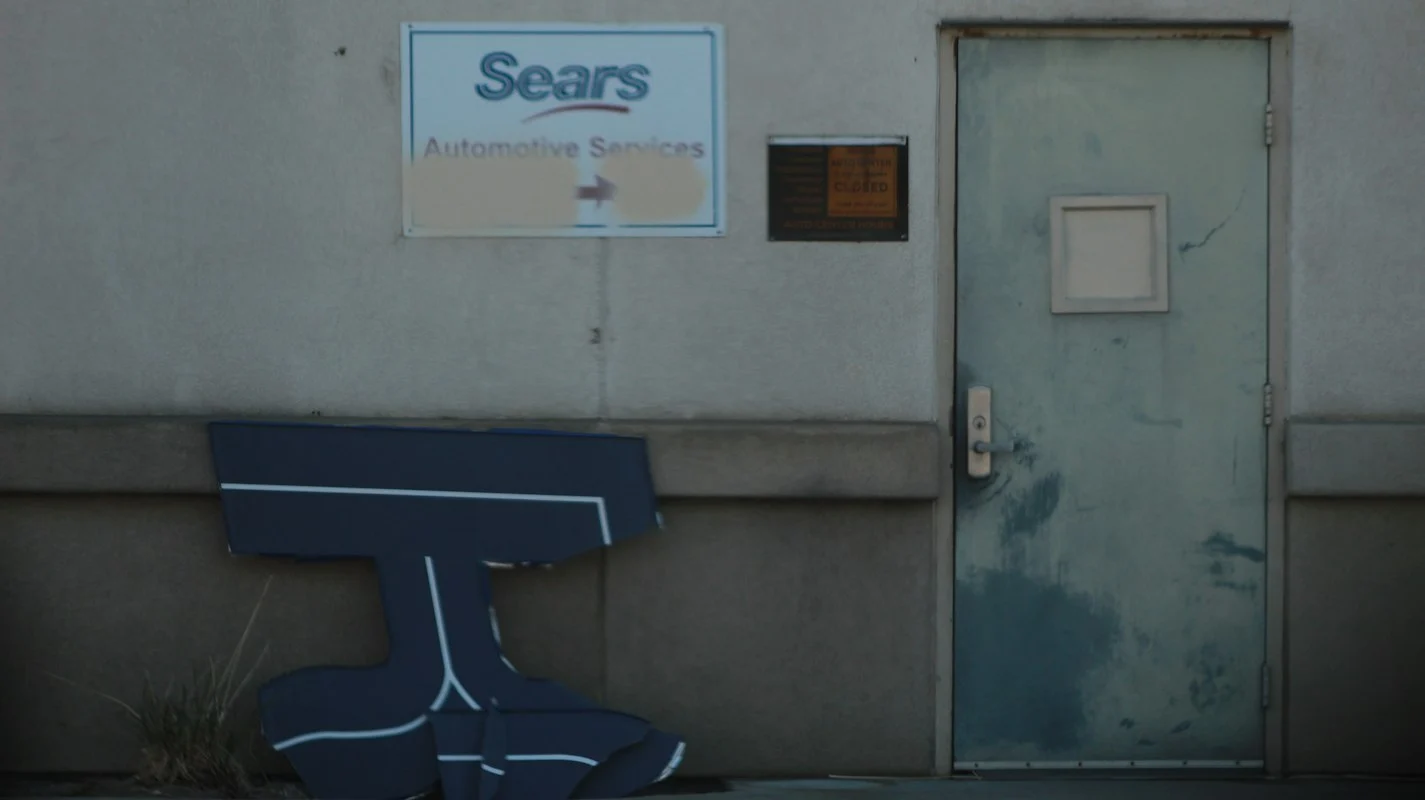
Why Sears Went Bankrupt: The Inside Story of How Wall Street Hedge Funds Stripped Its Assets is not just a retail story. It is a case study in how a once-dominant American company can be monetized faster than it can be repaired. At its peak, Sears reached millions of households, owned prime real estate, and still had strategic value.
Then came the long slide: weak execution, shifting consumer habits, and a capital structure increasingly shaped by corporate greed. The result was not a sudden collapse, but a slow transfer of value out of the operating business and into financial structures that prized extraction over renewal.
Sears Before the Collapse
For decades, Sears was more than a retailer. It was a national institution with brand equity that shaped American consumer culture, from tools and appliances to the legendary catalog era. Its store base and logistics network gave it a scale that competitors could only admire.
That made the company vulnerable in a very specific way. Once same-store sales weakened and management failed to modernize with discipline, Sears became exposed to activist pressure, operational decay, and retail asset stripping. The value was still there, but the operating model was already fraying.
In hindsight, the setup was dangerous because the company owned both a recognizable brand and a large real estate footprint. Those assets looked defensive on paper, yet they were also easy targets for investors who saw liquidation value faster than turnaround potential.
We often observe in distressed retail that legacy scale can become a liability when capital allocation turns defensive. Sears had the footprint, but it lacked the speed, merchandising discipline, and reinvestment cadence needed to compete against leaner peers and e-commerce players.
By the time the decline became obvious, the company had already lost important strategic flexibility. That gap between historical importance and current performance is where many value traps begin, especially when markets start rewarding financial engineering more than operational repair.
The Hedge Fund Takeover

The hedge fund era changed Sears’ governance logic. Once investors gained influence, the board’s orientation shifted from rebuilding the retail franchise to maximizing the value of assets that could be monetized quickly.
That is where private equity buyouts-style thinking entered a public company context. Control rights, board dynamics, and activist incentives began to shape decisions in ways that favored financial extraction over long-term merchandising investment. The operating business became secondary.
Eddie Lampert and allied holders did not need to own every share to influence the company. Through governance pressure, capital allocation control, and strategic fragmentation, they could steer Sears toward transactions that unlocked balance sheet value while starving the core stores of reinvestment.
The problem is that once a board starts treating stores as optional and properties as collateral, the company’s priorities change fast. Under that framework, a retailer stops being an ecosystem and becomes a portfolio of saleable parts.
In our analysis, this is where the story stops looking like a turnaround and starts resembling a controlled unwind. Sears was no longer managed as an integrated retailer; it was managed as a set of tradable claims against its own future.
How Sears Went Bankrupt
Why Sears Went Bankrupt: The Inside Story of How Wall Street Hedge Funds Stripped Its Assets becomes clearer when you map the sequence rather than the headline date. Sales declined, cash flow weakened, vendors tightened terms, and the company kept relying on one-off asset sales to cover recurring operating losses.
The bankruptcy was the endpoint of years of erosion, not a single shock. Sears faced mounting losses, shrinking traffic, debt burdens, and a liquidity profile that worsened each time the underlying business failed to stabilize.
Once operating income disappeared, the company had fewer ways to fund inventory, remodel stores, or absorb seasonal volatility. Every quarter forced a new tradeoff: preserve cash today or invest for tomorrow. The chosen path repeatedly favored today.
That is how the spiral deepened. Declining sales reduced gross margin dollars, lower margins reduced reinvestment capacity, and asset sales filled the gap without fixing the engine. The company was consuming its own optionality.
By the time bankruptcy became unavoidable, the balance sheet had already been transformed into a support system for a weakened enterprise rather than a platform for growth. Sears did not fail because it owned too little; it failed because too much value had already been extracted from the business model.
The Asset Stripping Playbook

The mechanics were familiar to distressed specialists, but brutal in practice. Sears used sale-leaseback transactions, real estate disposals, brand monetization, and inventory-based liquidity tactics to keep cash flowing while the retail base continued to deteriorate.
These moves can look rational in isolation. Yet when repeated over years, they often produce a dangerous mismatch: short-term cash improves while long-term operating capacity declines. The store base becomes thinner, less productive, and harder to defend.
That is the essence of commercial real estate liquidation inside a retail shell. The assets are converted into spendable proceeds, but the business loses the infrastructure that once supported traffic, merchandising, and vendor confidence.
| Asset or Action | Near-Term Cash Effect | Long-Term Operating Cost | Strategic Outcome |
|---|---|---|---|
| Sale-leaseback on stores | Immediate cash infusion | Higher rent burden | Liquidity now, weaker future margins |
| Property disposals | Asset monetization | Reduced strategic footprint | Less flexibility for recovery |
| Brand licensing | Royalty income | Less control over brand execution | Brand value divorced from retail execution |
| Inventory liquidation | Working capital release | Stock shortages and weaker sales | Trading down the customer experience |
The table shows the trap clearly. Operating value and monetized asset value are not the same thing, and converting one into the other can inflate near-term optics while hollowing out the enterprise.
We have seen this pattern repeatedly: management celebrates liquidity events, analysts focus on the proceeds, and the market underestimates the drag created by lost productivity, higher fixed costs, and a damaged customer proposition.
ESL and the Real Estate Machine
Eddie Lampert and ESL Investments sat at the center of the thesis that Sears could be restructured around its property base. The idea was simple enough: if the retailer could not generate enough operating cash, perhaps the real estate and subsidiaries could.
But that approach came with a structural conflict. Sears’ stores, land, and non-core stakes were treated less like strategic assets and more like monetizable collateral. Once that logic dominates, the company starts to resemble an asset warehouse instead of a functioning retailer.
That distinction matters. A retailer’s future cash flow depends on customers, inventory turns, and store relevance. A warehouse of assets can be valuable on paper, but it cannot sell appliances, restore traffic, or rebuild trust with suppliers.
Why Sears Went Bankrupt: The Inside Story of How Wall Street Hedge Funds Stripped Its Assets also reflects the tension between financial creativity and industrial reality. Turning a retailer into a capital extraction vehicle may generate proceeds, but it does not preserve the operating organism.
In our view, the real estate thesis worked only as long as the remaining business could still support itself. Once that support weakened, the monetization strategy began consuming the very platform it depended on.
sale-leaseback structures are often presented as efficient capital tools, but their danger is easy to underestimate when the underlying business is already impaired. Sears lived that lesson in real time.
Inside the Financial Engineering
Sears became fragile through a mix of debt, intercompany transactions, pension exposure, and limited liquidity. The architecture made it possible to shift value across entities and time periods, which can obscure deterioration until the operating business is nearly out of runway.
That is the hidden risk of sophisticated structures. They can make a weak company appear more resilient by moving assets, liabilities, or cash flows in ways that delay recognition rather than restore health.
“Complexity does not create solvency; it often just postpones the moment when reality invoices the business.” — Michael O’Donnell, distressed credit analyst
Why Sears Went Bankrupt: The Inside Story of How Wall Street Hedge Funds Stripped Its Assets is also a story about leverage amplifying fragility. When debt service, pensions, and working capital needs all compete for the same shrinking pool of cash, even modest operational misses become existential.
The board and management had to navigate a capital allocation framework where every decision had second-order effects. Pay down debt and risk underinvesting in stores; preserve cash and risk vendor confidence; monetize more assets and risk weakening future earnings.
We have observed in practice that this kind of pressure system can mask a slow-motion collapse. The numbers may still move, but the direction is already set.
What Investors Missed
The warning signs were visible, but many investors misread them. Governance opacity, related-party complexity, falling same-store sales, and shrinking margins all pointed to a business losing its economic core.
Another miss was the difference between reported asset value and realizable enterprise value. A balance sheet can look rich in property and brand names while the market quietly discounts those assets because the operating platform that supports them is breaking down.
That is where headline asset counts become misleading. A company may own land, stores, trademarks, and subsidiaries, yet still be worth far less if those holdings cannot be converted into durable earnings.
Why Sears Went Bankrupt: The Inside Story of How Wall Street Hedge Funds Stripped Its Assets should remind investors that liquidity events are not the same as health. A company can sell assets, raise cash, and still be moving closer to failure if it is not restoring the core engine.
For analysts, creditors, and shareholders, the lesson is sharp: when governance is opaque and the business model is deteriorating, asset totals are not the same as economic value. That gap is where losses hide.
For broader context on failed financial narratives, it is worth comparing Sears with Financial Times coverage of distressed capital structures and with the collapse dynamics seen in Reuters investigations.
The Sears Bankruptcy Legacy
The Sears collapse left a durable lesson for corporate governance and distressed investing. Legacy companies can be financialized, stripped, and repackaged long before the market fully recognizes that the operating business is dying.
For American investors and entrepreneurs, the takeaway is straightforward: balance sheet extraction can create temporary gains, but once the operating business fails, even iconic assets may not save the company. That is the hard truth behind Why Sears Went Bankrupt: The Inside Story of How Wall Street Hedge Funds Stripped Its Assets.
If you want to understand modern corporate decline, study Sears alongside other high-profile restructurings such as LVMH’s playbook and the cautionary mechanics in OneCoin’s collapse. Different industries, same warning: financial engineering cannot substitute for a viable business.
For operators and investors alike, the smart move is to protect productive capacity before chasing extractable value. When the engine is gone, the warehouse is just a warehouse.
Frequently Asked Questions about Why Sears Went Bankrupt: The Inside Story of How Wall Street Hedge Funds Stripped Its Assets
What does Why Sears Went Bankrupt: The Inside Story of How Wall Street Hedge Funds Stripped Its Assets reveal about Sears’ collapse?
It shows that Sears did not fail all at once. The company gradually lost value through weak execution, changing consumer behavior, and a financial strategy that prioritized monetizing assets over reinvesting in the retail business, accelerating its long decline.
How did hedge funds influence Sears’ bankruptcy process?
Hedge funds shaped Sears’ governance by pushing decisions that favored asset monetization, debt management, and short-term value extraction. That pressure shifted attention away from store modernization and merchandising, making recovery harder and weakening the company’s operating core.
Why was Sears’ real estate footprint both an advantage and a risk?
Sears’ stores and properties created valuable collateral and brand strength, which looked like a safety net. But those same assets became attractive targets for financial extraction, allowing investors to focus on liquidation value instead of supporting a turnaround strategy.
What is the main difference between a retail turnaround and asset stripping at Sears?
A turnaround would have reinvested in stores, inventory, and customer experience to rebuild competitiveness. Asset stripping, by contrast, extracted value from the balance sheet and valuable properties first, leaving the operating business underfunded and less capable of surviving market pressure.
Was Sears’ bankruptcy caused only by hedge funds, or is that a myth?
That is a myth. Hedge fund influence mattered, but Sears also faced weak management, outdated operations, and e-commerce disruption. Bankruptcy resulted from a combination of internal failures and financial engineering, not a single cause on its own.